For many investors exploring new markets, the potential of solar energy can seem abstract. In a nation like Cabo Verde, however, the business case for local solar module production is grounded in tangible, urgent economic needs. The country’s high electricity costs, averaging €0.23 per kWh, are not just a statistic—they are a direct operational burden on its most vital industries. This economic reality creates a clear opening for entrepreneurs who can provide a local solution.
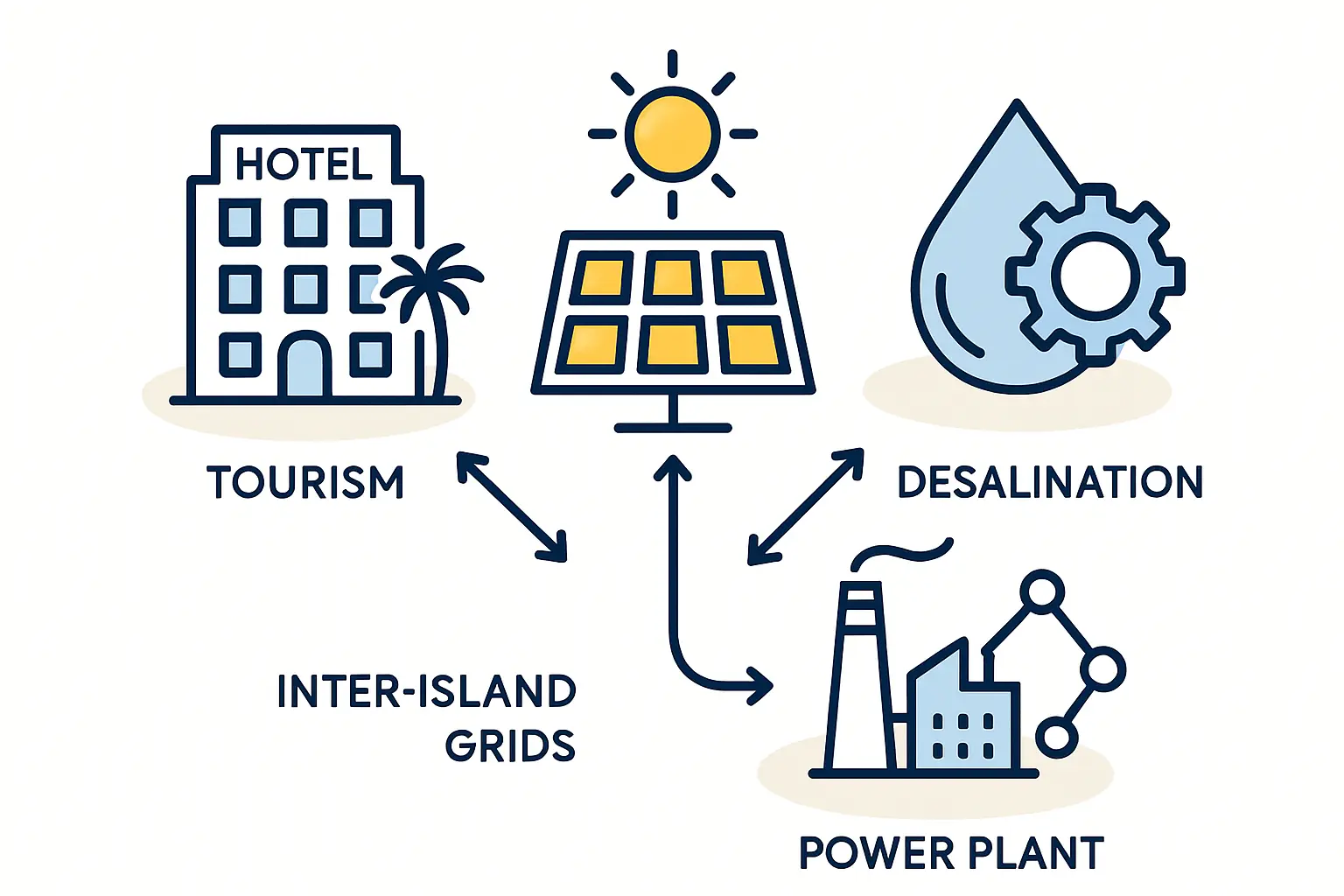
This article explores three specific, high-potential domestic markets for solar modules produced in Cabo Verde: tourism, water desalination, and inter-island microgrids. Understanding these sectors is crucial for any investor considering a local solar manufacturing facility.
Table of Contents
The Foundation: A Unique Energy Landscape Primed for Solar
Appreciating the scale of the opportunity begins with understanding the country’s energy paradox. Cabo Verde is blessed with exceptional solar resources, receiving between 5.5 and 6.5 kWh/m² of solar irradiation per day. Yet, approximately 85% of its electricity comes from imported fossil fuels, making its economy highly vulnerable to global price fluctuations.
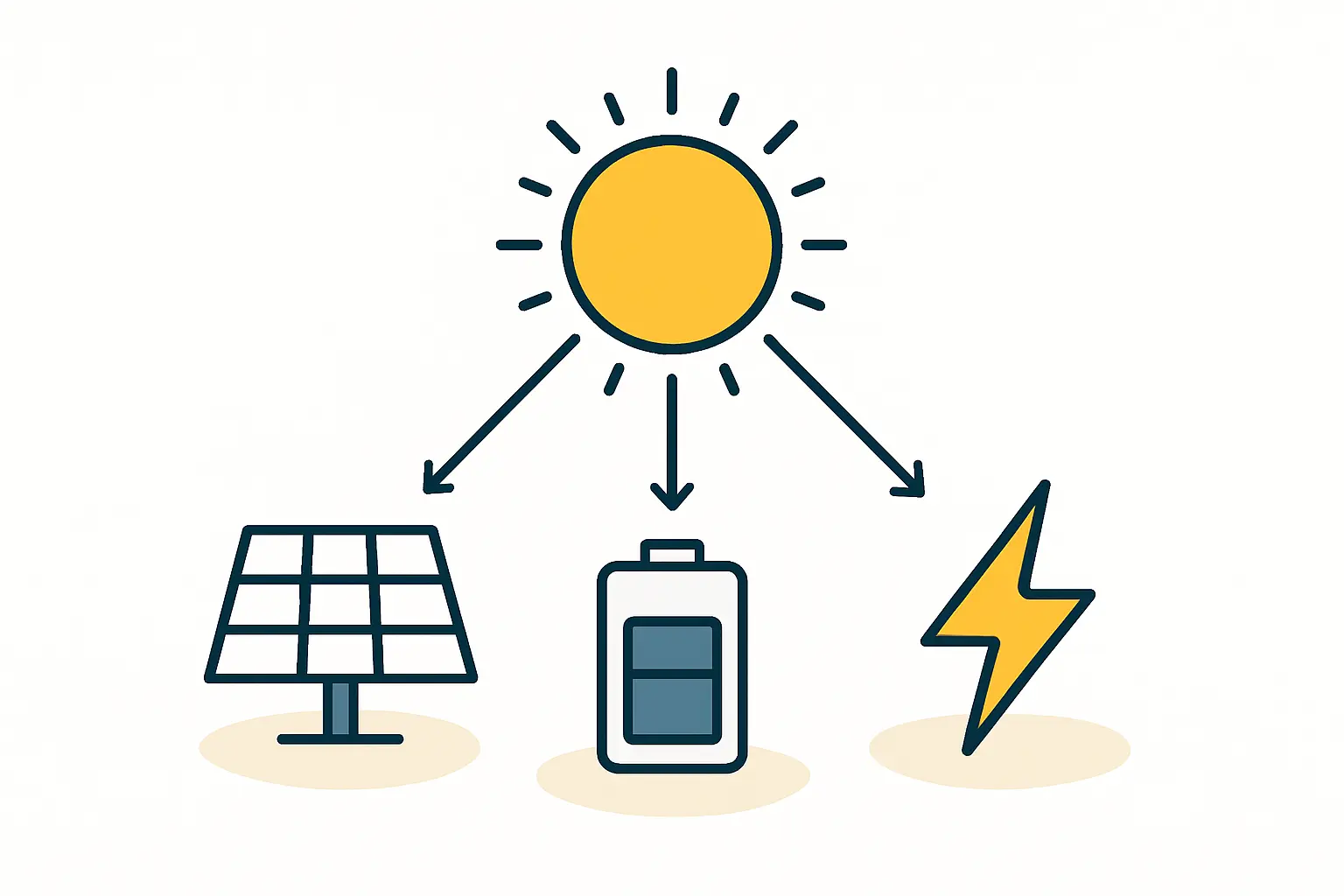
This dependency creates a compelling environment for renewable energy investment, reinforced by the government’s ambitious goal of achieving 100% renewable electricity by 2040. For an investor, this translates into stable, policy-driven demand for solar solutions. Starting a solar panel factory in this context isn’t just about producing a product; it’s about providing a strategic solution to a national economic challenge.
Market 1: Powering the Tourism Sector
The tourism industry is the backbone of Cabo Verde’s economy, contributing around 25% of its GDP. Before 2020, the islands welcomed over 800,000 tourists annually, filling hotels and resorts that are major consumers of electricity. The primary operational costs for these establishments stem from energy-intensive systems like air conditioning, water heating, and lighting.
High electricity tariffs directly impact the profitability and competitiveness of these businesses. For a hotel manager in Sal or Boa Vista, controlling these expenses is a constant challenge. Installing rooftop solar systems, powered by locally manufactured modules, offers a direct path to significantly reducing these operational costs.
For a local solar module manufacturer, the tourism sector represents a large, concentrated, and motivated customer base. Offering a reliable, locally sourced alternative to imported panels reduces logistical complexity, shortens delivery times, and provides accessible after-sales support—key advantages for hotel operators who require dependable energy solutions.
Market 2: Securing Water with Solar Desalination
As an archipelago, Cabo Verde faces significant water scarcity. Many islands rely heavily on desalination plants to provide fresh water for the population and for industries like tourism and agriculture. Conventional desalination is an extremely energy-intensive process, driving up both national electricity consumption and, consequently, the cost of water.
This creates a critical nexus between water security and energy independence. Solar-powered desalination plants offer a sustainable solution, using the country’s abundant sunlight to address one of its most pressing resource challenges.
Ready to make big Profits?
The solar Industry is Booming
WE HELP NEWCOMERS to the solar industry start their own solar module production line. Customers can make BIG PROFITS by selling modules and finding investors, without wasting money and time on things they don't need!
A domestic solar module factory could become a key supplier for these vital infrastructure projects. Government and private-sector initiatives aimed at improving water security will require a steady supply of high-quality solar panels. A local producer would be ideally positioned to meet this demand, ensuring that critical national projects are not delayed by international supply chain disruptions. Developing a comprehensive business plan for solar manufacturing must account for the scale and specific requirements of these utility-level projects.
Market 3: Building Resilient Island Microgrids
Cabo Verde is composed of ten main islands, a decentralized geography that poses unique challenges for energy distribution. Relying on centralized power generation and undersea cables is expensive and leaves individual islands vulnerable to outages. Diesel generators, often used as a backup or primary power source on smaller islands, are costly to run and maintain.
Solar-powered microgrids offer a resilient and cost-effective alternative. A microgrid is a localized electrical grid that can operate independently from or in connection with the main grid. By equipping each island or even smaller communities with its own solar generation and storage systems, Cabo Verde can enhance its energy security and grid stability.
This long-term vision for a decentralized energy infrastructure creates sustained demand for solar modules. A local manufacturer would be an essential partner in this national project, supplying the foundational components needed to build a more robust and independent energy future on each island. The success of such an enterprise hinges on selecting the right solar module manufacturing equipment to meet local demand specifications and quality standards.

Frequently Asked Questions (FAQ)
Q: Why are electricity costs so high in Cabo Verde?
A: The high cost is primarily due to the country’s heavy reliance on imported fossil fuels (diesel and heavy fuel oil) for electricity generation. Global price volatility and transportation costs are passed directly on to consumers.
Q: What is the main benefit of local solar module production for these sectors?
A: The primary benefits are reduced operational costs through cheaper electricity, increased energy independence, and enhanced supply chain security. Local production eliminates long shipping times, import duties, and the risks associated with international logistics, making projects faster and more reliable.
Q: Does the government of Cabo Verde support these initiatives?
A: Yes, the government has set a clear policy objective to source 100% of its electricity from renewable sources by 2040. This creates a favorable and predictable regulatory environment for investors in the solar sector.
Your Next Steps for Investing in Cabo Verde’s Solar Market
The tourism, desalination, and inter-island grid sectors represent concrete, addressable markets for a new solar module manufacturer in Cabo Verde. Each sector is driven by clear economic and strategic needs, providing a solid foundation for local demand.
Moving from high-level analysis to a concrete investment decision requires a deeper investigation into factory requirements, production costs, and financial modeling. Navigating the complexities of setting up a manufacturing operation demands a structured approach and technical expertise. For entrepreneurs ready to take the next step, understanding the complete process—from factory planning to final module certification—is essential for success.