When entrepreneurs venture into solar module manufacturing, their focus often falls on production machinery and technology. However, the strategic selection of a factory’s location is just as critical, if not more so.
A state-of-the-art production line can be undermined by logistical inefficiencies, customs delays, and poor access to global markets. The choice of where to build is a foundational decision, impacting everything from supply chain costs to delivery timelines.
This article explores the logistical advantages of a specific use case: establishing a solar module factory in the Sihanoukville Special Economic Zone (SSEZ) in Cambodia. This zone’s unique combination of port access, infrastructure, and streamlined administrative processes illustrates how geography can directly influence operational success and profitability.
Table of Contents
The Critical Role of Logistics in Solar Manufacturing
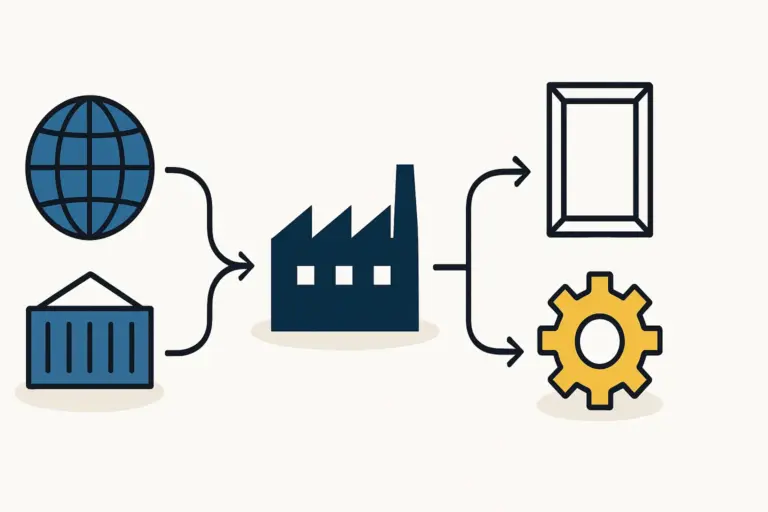
In solar module manufacturing, the physical flow of goods is constant and complex. It begins with the inbound shipment of raw materials—such as solar cells, glass, aluminum frames, and encapsulants—and ends with the outbound shipment of finished, fragile solar panels to international customers.
Any friction in this supply chain translates directly into costs and delays. A factory located far from a major port faces higher domestic transportation expenses and an increased risk of product damage. Complicated customs procedures can leave valuable materials waiting for clearance, disrupting production schedules. A location that minimizes these frictions offers a significant competitive advantage.
An Overview of the Sihanoukville Special Economic Zone (SSEZ)
The Sihanoukville Special Economic Zone is a prime example of industrial infrastructure purpose-built to support export-oriented manufacturing. Located in southwestern Cambodia, it is the country’s largest special economic zone by size and has become a major hub for international investment.
Developed as a joint venture between Cambodian and Chinese companies, the SSEZ is strategically positioned to leverage Cambodia’s growing role in regional and global trade. Crucially, it is situated just 11 kilometers from the Sihanoukville Autonomous Port (PAS), Cambodia’s only deep-sea port. The zone is designed to create a highly efficient, low-friction environment for businesses; in fact, over 90% of the enterprises within it are export-focused.
Key Logistical Advantages for Solar Module Production
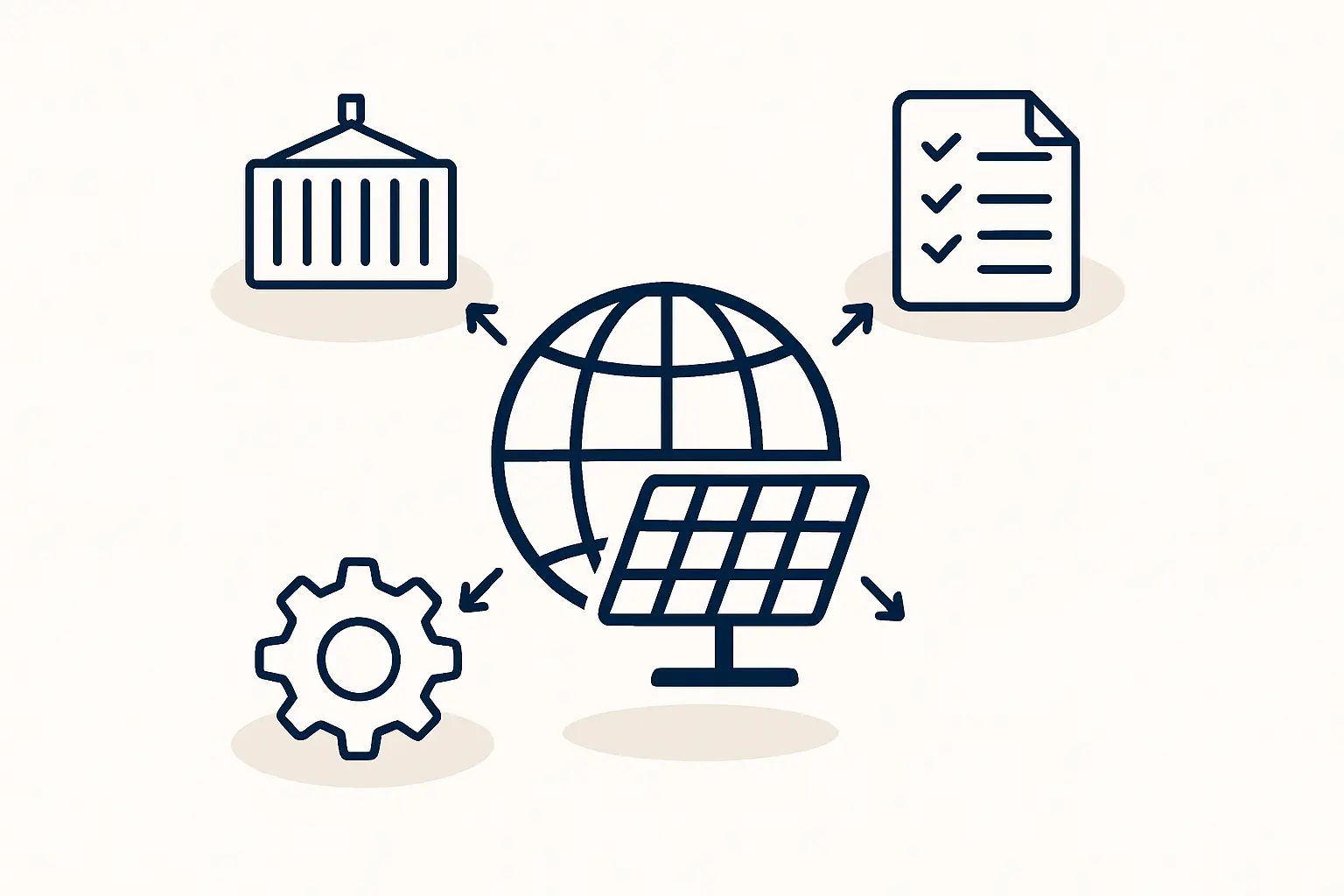
For any prospective solar module manufacturer, the SSEZ offers several compelling logistical advantages that directly address common operational challenges.
1. Proximity to Cambodia’s Premier Deep-Sea Port
The single most significant advantage is the SSEZ’s proximity to the Sihanoukville Autonomous Port (PAS). At only 11 kilometers away, this location dramatically reduces the time and cost associated with moving both raw materials and finished goods.
- Reduced Inland Transport Costs: Lower fuel and labor costs for trucking between the port and the factory.
- Faster Turnaround Times: Quick transfer of incoming materials to the production line and rapid movement of finished modules to the port for export, minimizing inventory holding times.
- Lower Risk of Damage: Shorter transit distances over well-maintained roads reduce the risk of damage to sensitive components like solar cells and finished glass-covered modules.
As the country’s only deep-sea port, PAS can accommodate large container ships, providing direct access to major international shipping lanes without the need for transshipment through smaller regional ports.
Ready to make big Profits?
The solar Industry is Booming
WE HELP NEWCOMERS to the solar industry start their own solar module production line. Customers can make BIG PROFITS by selling modules and finding investors, without wasting money and time on things they don't need!
2. Streamlined ‘One-Stop Service’ for Administration
Navigating bureaucracy is a major concern for any investor entering a new country. The SSEZ was designed to ease this challenge through its “One-Stop Service” center. This integrated office brings together representatives from key government ministries, including customs, commerce, and labor.
This model allows businesses to handle most administrative requirements—from company registration and investment applications to import/export permits and customs clearance—within the zone. For a solar manufacturer, this means:
- Accelerated Customs Clearance: On-site customs officials facilitate faster processing of both imported raw materials and exported solar panels.
- Reduced Administrative Burden: Entrepreneurs can focus on core business operations instead of navigating multiple government agencies in different locations.
- Predictable Timelines: A standardized and efficient process leads to more reliable planning for production and shipping schedules.
3. Integrated Infrastructure and Favorable Trade Access
A factory cannot operate in a vacuum. It requires reliable utilities and access to markets. The SSEZ provides a controlled environment with dependable infrastructure, including stable electricity, water supply, and telecommunication networks—amenities that can be less consistent elsewhere.
Cambodia’s strategic trade agreements further enhance the appeal of the SSEZ for an export-focused solar factory. The China-Cambodia Free Trade Agreement (CCFTA) and Cambodia’s membership in the Regional Comprehensive Economic Partnership (RCEP) provide preferential access to a vast network of markets. For businesses seeking to diversify their manufacturing footprint, this trade access positions Cambodia as a key location in the “China Plus One” strategy, mitigating risks associated with reliance on a single country.
The Supply Chain Flow: A Practical Example
To see how these advantages play out, let’s trace the typical logistical flow for a solar factory in the SSEZ.
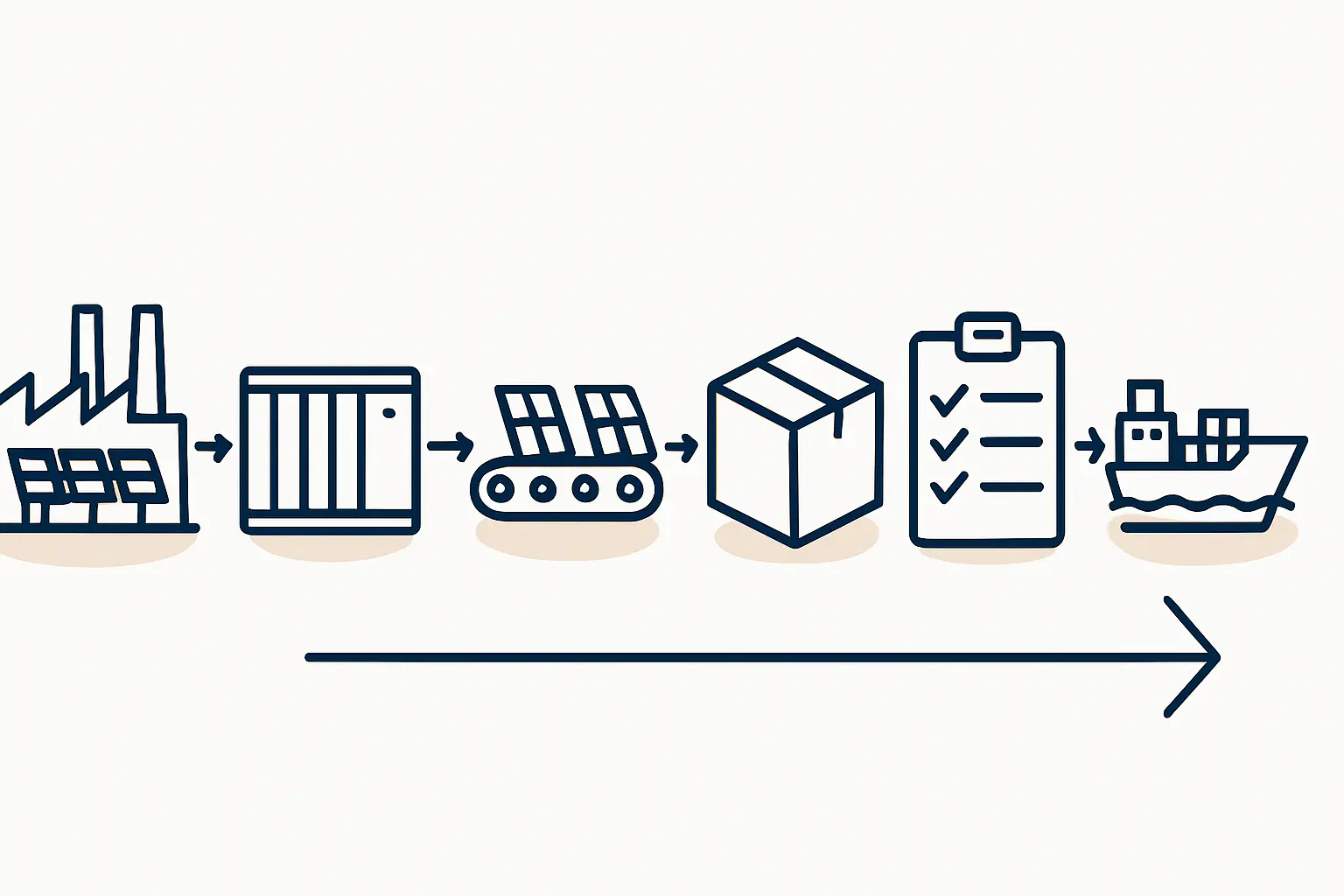
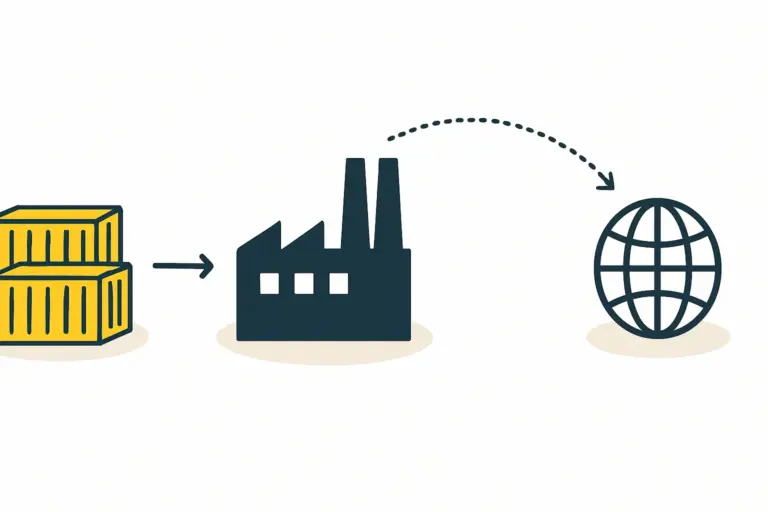
- Import of Raw Materials: A container of solar cells and tempered glass arrives at the Sihanoukville Autonomous Port.
- Inland Transport: The container is loaded onto a truck and travels 11 kilometers to the factory inside the SSEZ.
- Customs Clearance: The shipment is processed efficiently through the on-site “One-Stop Service” customs office.
- Manufacturing: The materials enter the production line, where the full solar panel manufacturing process takes place.
- Export of Finished Goods: Completed solar modules are packed into containers.
- Return to Port: The containers are transported back to the port for loading onto a vessel bound for international markets, again with streamlined export documentation.
This highly efficient loop, from port to factory and back, is the core logistical benefit of the SSEZ.
Considerations for Business Professionals
While the logistical advantages are clear, establishing a manufacturing facility requires comprehensive planning. Anyone considering building a solar factory must also evaluate factors like local labor availability and skill levels, specific tax incentives, and the overall regulatory landscape.
As experience from J.v.G. Technology GmbH in setting up turnkey production lines globally has shown, a detailed feasibility study is an essential first step. This study should incorporate not only logistical benefits but also a full financial and operational analysis tailored to the specific business model.
Frequently Asked Questions (FAQ)
Q: What exactly is a Special Economic Zone (SEZ)?
A: A Special Economic Zone is a designated area within a country with economic laws that are more liberal than the nation’s typical regulations. The goal is to attract foreign direct investment by offering benefits like tax incentives, streamlined customs, and superior infrastructure.
Q: How does the SSEZ help with importing manufacturing equipment?
A: The same “One-Stop Service” and streamlined customs procedures that apply to raw materials and finished goods also cover the initial import of production machinery. This can significantly accelerate the factory setup phase.
Q: Is the SSEZ suitable for manufacturing targeting the U.S. or European markets?
A: Yes. The SSEZ’s primary function is to serve as a hub for export-oriented manufacturing. Its proximity to a deep-sea port provides direct shipping access to global markets, including North America and Europe. The favorable trade environment can also be advantageous for accessing these markets.
Q: What is the primary language of business in the SSEZ?
A: While Khmer is the official language of Cambodia, business operations within the SSEZ are commonly conducted in Chinese (Mandarin) and English, reflecting its international management and investor base.
Conclusion and Next Steps
Deciding where to establish a solar module factory is a strategic choice with long-term consequences. The Sihanoukville Special Economic Zone in Cambodia offers a compelling case study in how purpose-built infrastructure, port proximity, and streamlined administration can create a powerful logistical advantage.
For business professionals and entrepreneurs, understanding these geographical and structural benefits is a crucial part of initial planning. A location that minimizes logistical friction allows a business to compete more effectively on the global stage, ensuring that a high-quality product can be delivered to customers reliably and cost-efficiently.
To see how these logistical advantages can benefit your specific project, a detailed feasibility study is the essential next step. This thorough analysis will help you translate the unique benefits of the SSEZ into a robust and profitable business plan.
 solar manufacturing.”/>