The Democratic Republic of Congo (DRC) presents a compelling paradox for entrepreneurs. A nation rich in natural resources, its key industries—oil, gas, and mining—are the engines of its economy.
Yet these same sectors face a critical operational challenge: a severe and persistent energy deficit. This deficit, stemming from an unreliable national grid and high operational costs, creates a significant and untapped market for a new kind of local enterprise: a solar module manufacturing facility.
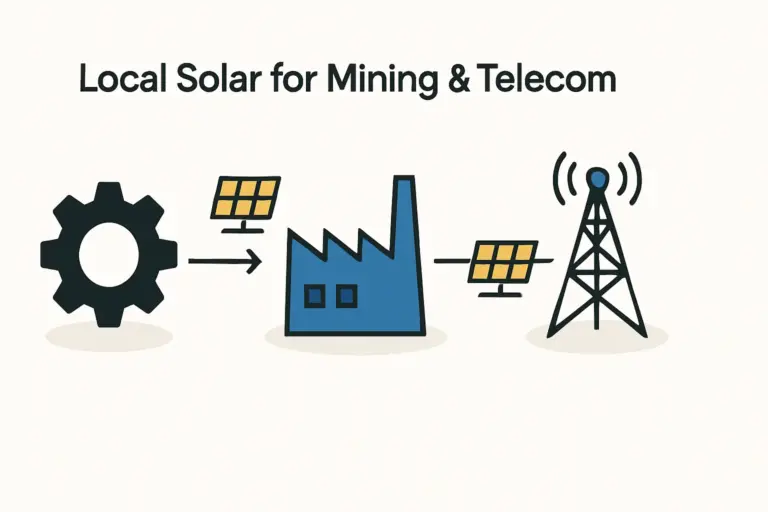
This analysis explores the business case for a local solar module production line tailored to the specific needs of Congo’s industrial sector. We’ll examine how a local manufacturer can solve critical energy problems for these major operators while building a sustainable and profitable business.
The High Cost of the Status Quo in Congo’s Industrial Sector
For any large-scale industrial operation, a stable and cost-effective energy supply is non-negotiable. In the DRC, securing this supply is a major financial and logistical burden.
Chronic Grid Instability and Diesel Dependency
The national grid is often unreliable, particularly in the remote regions where many mining and extraction sites are located. This forces companies to depend almost entirely on diesel generators for their primary power. This reliance creates several significant business risks:
-
High Fuel Costs: The price of diesel is volatile and represents a major operational expense. With commercial electricity rates in the DRC already ranging from 0.20 to 0.40 USD per kWh, diesel-generated power is often even more expensive.
-
Logistical Complexity: Transporting large volumes of diesel to remote sites is costly, complex, and prone to disruption. Poor road infrastructure can lead to delays that threaten operational continuity.
-
Maintenance and Downtime: Diesel generators require constant maintenance, spare parts, and specialized technicians, adding to the overall cost and risk of operational downtime.
The Problem with Imported Solar Solutions
While some industrial players have turned to solar energy, they typically rely on imported modules. This approach solves the fuel dependency issue but introduces a new set of challenges:
-
High Transportation Costs and Delays: Shipping fragile solar modules internationally and then transporting them overland to remote sites is expensive and slow.
Ready to make big Profits?
The solar Industry is Booming
WE HELP NEWCOMERS to the solar industry start their own solar module production line. Customers can make BIG PROFITS by selling modules and finding investors, without wasting money and time on things they don't need!
-
Risk of Damage: The long and often arduous journey increases the likelihood of modules arriving with micro-cracks or other damage, compromising their performance and lifespan.
-
Lack of Customization: Imported modules are standardized and may not be optimized for the specific environmental conditions of a Congolese mine or oil field, such as extreme heat and high dust levels.
These factors combined create a clear and pressing need for a more efficient, reliable, and cost-effective energy solution.
The Strategic Advantage of Local Solar Manufacturing
A local solar module manufacturing plant is uniquely positioned to overcome the shortcomings of both diesel generation and imported solar panels, offering a compelling value proposition to industrial clients.
Meeting the Demand for Local Content
A critical factor driving this opportunity is the rise of local content requirements. Governments, including the DRC’s, are mandating that international oil, gas, and mining companies procure a certain percentage of their goods and services from local suppliers.
A domestic solar module manufacturer therefore becomes an ideal partner for these multinational corporations, helping them meet legal obligations while solving a core operational problem. This regulatory tailwind provides a significant and lasting competitive advantage over foreign suppliers.
Overcoming Logistical Hurdles
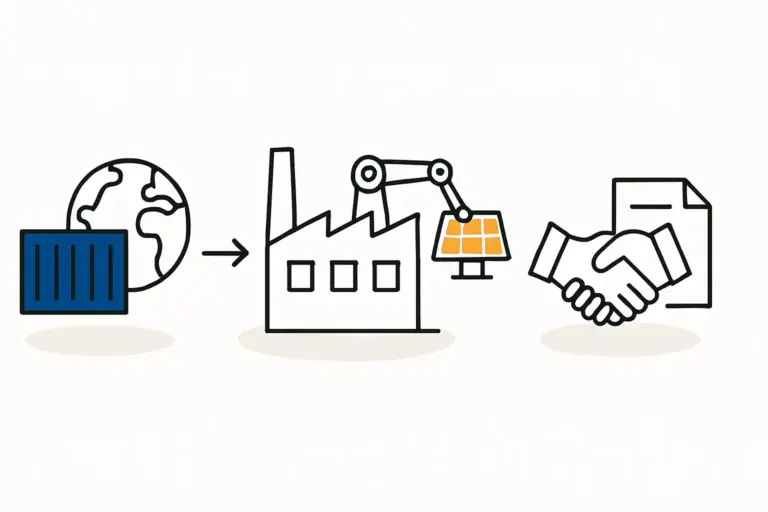
Producing modules in-country effectively eliminates the costly and risky international supply chain.
-
Reduced Costs: Local production eliminates international shipping fees, import tariffs, and much of the overland transportation costs.
-
Faster Delivery: Lead times are drastically reduced, allowing industrial clients to deploy solar projects more quickly.
-
Quality Control: A local factory allows for tighter quality control, ensuring modules are handled correctly and arrive at the installation site in perfect condition.
Tailoring Products for Harsh Environments
The operational environment of a mine or oil field is demanding. Dust, high ambient temperatures, and intense solar irradiation all affect the performance and longevity of a solar module. A local manufacturer can specialize in producing panels designed to withstand these specific conditions.
Using more robust materials, for example, can significantly improve durability and energy yield over the system’s lifetime. This ability to produce application-specific modules is a powerful differentiator that importers cannot easily match. Understanding the technical details in a guide on glass-glass vs. glass-backsheet solar panels can provide a further competitive edge.
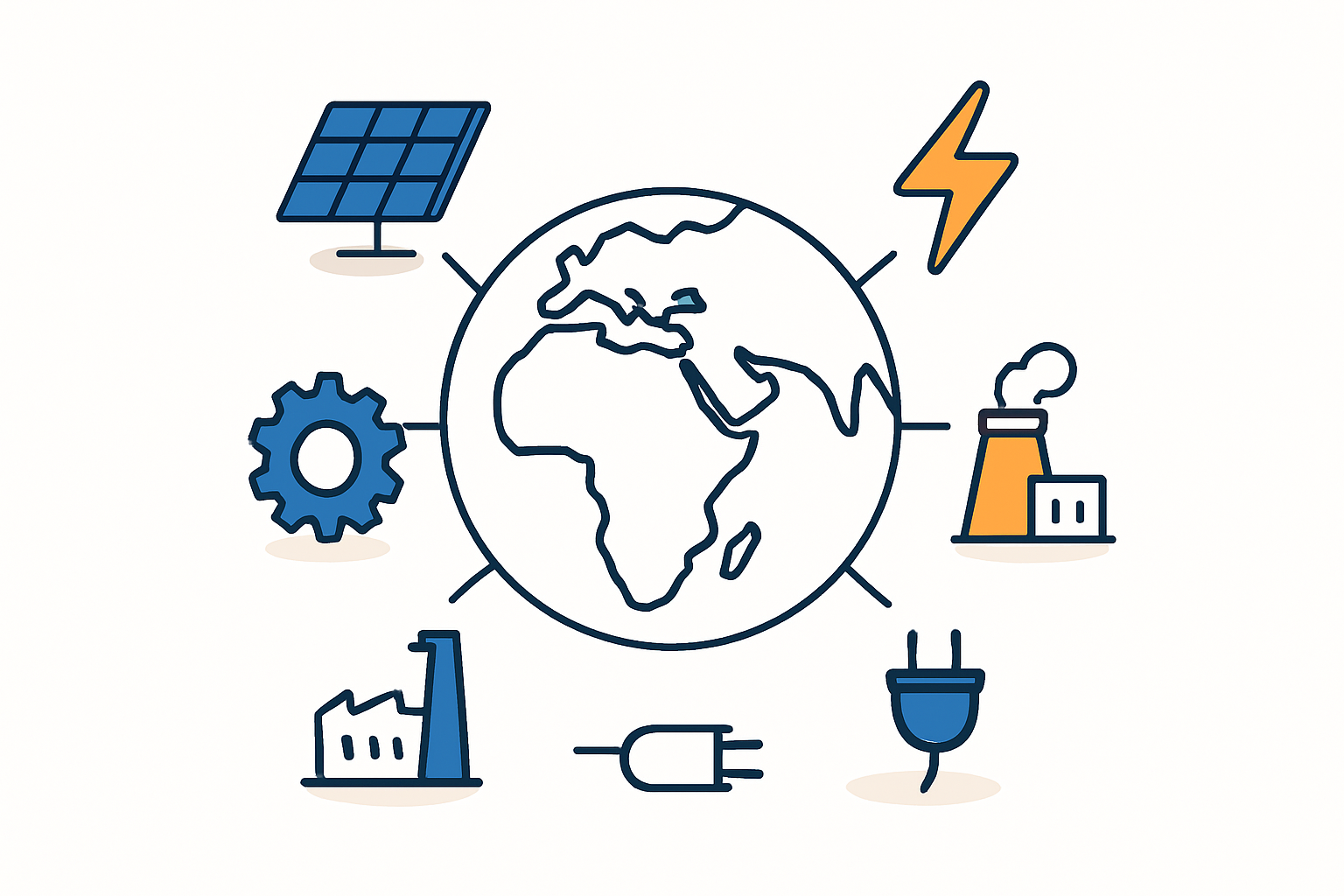 solar manufacturing plant” />
Building the Business Case: A Stable Foundation for Growth
For an entrepreneur considering this venture, the oil, gas, and mining sectors represent an ideal ‘anchor’ market. Their substantial and continuous energy needs provide a stable source of demand that can support the initial investment in a manufacturing facility.
Based on J.v.G. Technology’s experience with turnkey factory projects in emerging markets, a 20-50 MW production line can be a highly viable starting point. Such a facility is large enough to achieve economies of scale while remaining agile enough to serve specific industrial niches.
The financial viability is further strengthened by government support for local industrialization. Investors can often benefit from incentives such as tax breaks on equipment imports and other fiscal advantages designed to encourage domestic production. A well-structured solar panel manufacturing business plan is essential to navigate these opportunities and secure financing.
Once established, the manufacturer can expand its market reach to serve other sectors, such as commercial and industrial (C&I) clients, agricultural operations, and eventually, the residential market.
From Opportunity to Operation: The Path Forward
The demand is clear, and the business case is strong. The DRC’s abundant solar irradiation, averaging 4 to 6.5 kWh per square meter per day, is a natural resource waiting to be harnessed. For an entrepreneur, turning this opportunity into a successful factory requires careful planning and expert guidance.
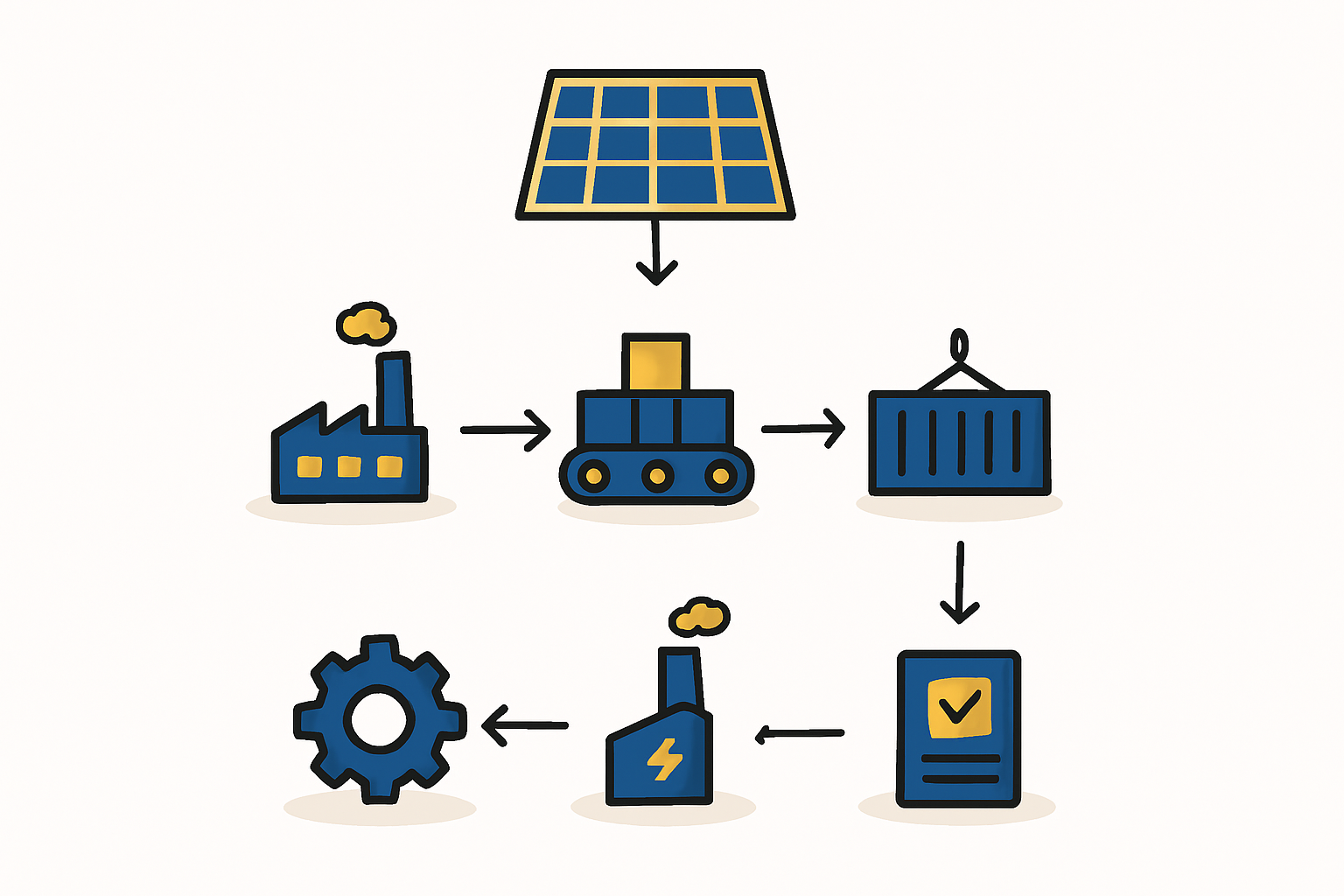
The process involves several key stages, from initial feasibility studies and site selection to equipment procurement, installation, and staff training. Navigating each step requires a deep understanding of both the technology and the local business landscape. For those new to the industry, a comprehensive overview, like the one in this foundational guide on how to start a solar panel factory, is critical.
Frequently Asked Questions (FAQ)
What is the typical investment size for a small-scale solar factory?
A starter line with an annual capacity of 20-50 MW typically requires an initial investment in machinery, infrastructure, and working capital. The exact amount varies based on the level of automation and technology choices.
Do I need a technical background to start a solar manufacturing business?
No, a technical background is not a prerequisite. Successful entrepreneurs in this field often have strong business management and project execution skills. Instead, the key is to partner with experienced technical consultants and engineers who can manage the technological aspects of setting up and running the factory.
How do local content laws specifically benefit a new manufacturer?
These laws often require foreign industrial companies to prioritize local suppliers. As a domestic manufacturer, you are automatically placed in a preferential position, making it easier to secure large, long-term contracts that might otherwise go to international competitors.
What are the main challenges for a new manufacturer in the DRC?
Potential challenges include navigating the regulatory environment, securing a skilled workforce (though training programs can address this), and managing supply chains for raw materials. However, these are manageable business challenges, and the strategic market advantages often outweigh them.
Conclusion: A Strategic Investment in Congo’s Energy Future
The energy challenges faced by the Democratic Republic of Congo’s most vital industries are more than just problems—they are a clear signal of a substantial market opportunity. Local solar module manufacturing offers a direct solution that aligns perfectly with the country’s economic goals and the operational needs of its industrial sector.
For the forward-thinking entrepreneur, this represents a chance to build a profitable enterprise that delivers immense value—reducing costs for key industries, creating local jobs, and contributing to a more stable and sustainable energy landscape. By transforming the country’s abundant sunlight into a reliable industrial power source, a local manufacturer can become a cornerstone of Congo’s economic future.