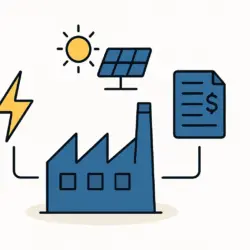
As Southeast Asia confronts an energy demand surge projected to grow by over 7% annually, 2024 marks a pivotal year for integrating renewable energy sources into the region’s power systems. The challenge lies in transforming national grids, traditionally designed for centralized fossil fuel generation, to accommodate the variable nature of solar and wind power, a crucial step toward meeting both rising consumption and ambitious net-zero targets.
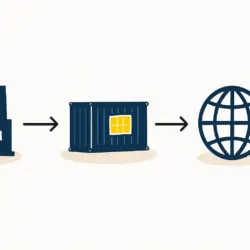
The core of the region’s strategy is shifting towards enhanced regional collaboration. Initiatives like the ASEAN Power Grid (APG) and expanded trade within the Greater Mekong Subregion are central to this effort. These programs aim to create a more resilient, interconnected, and borderless energy network, allowing countries to share renewable resources, enhance energy security, and manage the intermittency of clean power sources more effectively.
Technological advancements are the primary enablers of this transition. Solar PV is emerging as a highly cost-competitive option in key markets, while energy storage solutions—including batteries and the region’s vast potential for pumped hydro—are essential for grid stability. National efforts are gaining momentum as well. For example, the Vietnam solar energy Revolution continues to build momentum toward its clean energy goals. Similarly, other nations are expanding their domestic capabilities, as detailed in the Indonesia Solar Panel Manufacturing Report, which tracks the growth of solar infrastructure in the archipelago.
Unlocking this green potential requires substantial capital and supportive policies. According to one analysis, achieving climate-aligned energy pathways will demand over USD 190 billion in investment by 2035, with a strong emphasis on attracting private finance. This necessitates robust regulatory frameworks and market reforms to de-risk projects and encourage investment. Support for national utilities, such as Thailand’s EGAT and Vietnam’s EVN, is also critical in navigating this complex transition.
The path forward for Southeast Asia’s energy sector in 2024 is clear: accelerate the deployment of renewables by prioritizing grid modernization, deepening regional cooperation, and implementing policies that attract significant investment. Successfully integrating solar and wind is no longer just an environmental goal but a fundamental requirement for achieving a sustainable, reliable, and prosperous energy future for the entire region.
Sources for Southeast Asia renewable energy: Critical 2024 integration
- Renewable energy trade among the ASEAN countries and the road to net-zero carbon emissions
- CASE for SEA: 2024 Highlights and Impact
- ASEAN’s clean power pathways: 2024 insights – Ember Energy
- Southeast Asia Energy Outlook 2024
- Southeast Asia aims for sustainability through connectivity
- Southeast Asia’s clean energy transition: Progress and priorities
- ACES 2024: Southeast Asia’s Path Toward a More Integrated and Resilient Power Grid
- How South-East Asian countries can cooperate to enhance energy security