When an entrepreneur considers solar module manufacturing in Kiribati, the initial focus often falls on machinery, financing, and logistics. Yet a critical asset—the human workforce—is frequently underestimated. Kiribati presents a compelling paradox: it boasts abundant solar resources and a large youth population, yet it also grapples with high youth unemployment and a dependency on imported energy. This situation creates a unique opportunity for a well-planned solar assembly factory to address these economic and energy challenges simultaneously.
The success of such a venture doesn’t hinge on finding a pre-existing pool of solar experts. Instead, it depends on the strategic development of local talent. This article assesses the Kiribati labor pool and outlines structured training models for building a competent technical workforce from the ground up—a vital component of any robust solar module manufacturing business plan.
Understanding the Kiribati Labor Landscape
An analysis of Kiribati’s demographic and educational statistics reveals both challenges and significant opportunities for a new industrial enterprise.
-
The Youth Opportunity: With over 50% of its population under 25, Kiribati has a substantial pool of potential workers. However, youth unemployment has been persistently high, estimated by the World Bank at around 54% in 2018. The result is a large, motivated group actively seeking stable employment.
-
Educational Focus: The national education system has traditionally emphasized academic pathways over vocational skills. While this means few candidates will have direct manufacturing experience, it does not mean they lack the capacity to learn. The challenge, therefore, is not a lack of potential but a lack of specific, industry-relevant training.
-
Key Local Institution: The Kiribati Institute of Technology (KIT) stands out as the nation’s primary vocational training provider. Any sustainable, long-term workforce development strategy should involve partnering with KIT to create a continuous talent pipeline.
This demographic profile is common in many emerging markets. Experience from J.v.G. turnkey projects in other regions shows that a young, motivated, but technically inexperienced workforce can become a factory’s greatest asset when paired with a structured and effective training regimen.

What Skills Does a Solar Assembly Line Truly Require?
The term “solar panel manufacturing” might evoke images of complex, high-tech engineering, but the reality of module assembly is more akin to electronics assembly or other forms of light manufacturing. The work is precise, process-driven, and highly trainable.
For most roles on the production line, the essential competencies are not advanced degrees but rather a specific set of personal attributes and skills:
Ready to make big Profits?
The solar Industry is Booming
WE HELP NEWCOMERS to the solar industry start their own solar module production line. Customers can make BIG PROFITS by selling modules and finding investors, without wasting money and time on things they don't need!
-
Manual Dexterity: Handling solar cells, ribbons, and glass requires a steady hand and careful attention to movement.
-
Process Adherence: Each step, from cell stringing to lamination, must follow an exact procedure to ensure quality and safety. The ability to consistently follow standardized instructions is crucial.
-
Attention to Detail: Small defects, such as a misaligned cell or a bubble in the encapsulant, can compromise a module’s performance and longevity.
-
Basic Machine Operation: Workers must be trained to operate specific equipment like stringers, laminators, and testers safely and efficiently.
These skills are not typically taught in a traditional academic setting but are readily developed through targeted, hands-on training programs.
Practical Training Models for Kiribati
An investor in Kiribati can establish a competent workforce through several proven models. The most effective approach combines immediate, expert-led training with a long-term, sustainable local partnership.
Model 1: The Turnkey Supplier Training Program
This is the most direct and common method for launching a new factory. When an investor procures a turnkey solar production line, the equipment supplier’s responsibility extends beyond installation to include crucial on-site training.
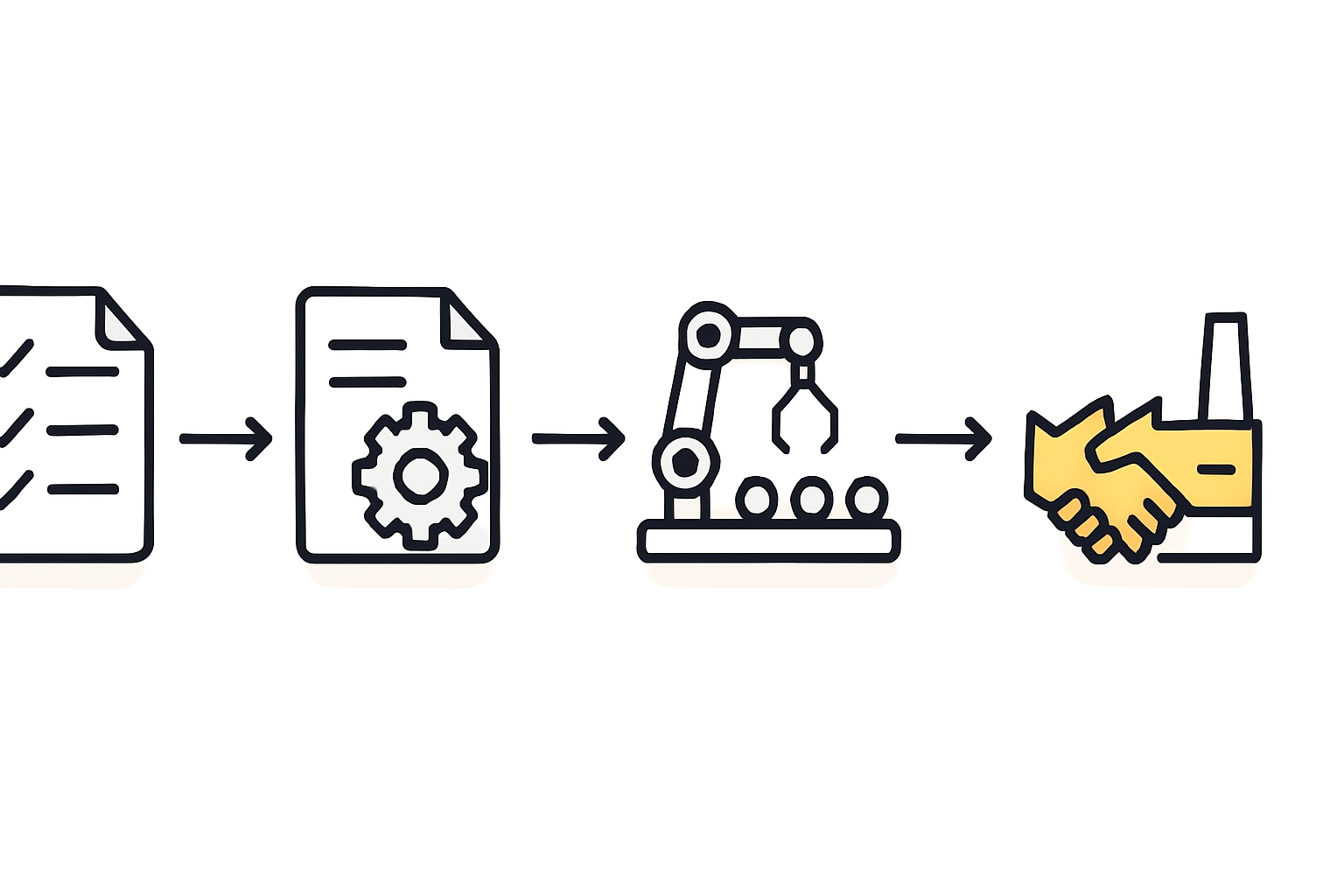
The process typically follows a “Train-the-Trainer” methodology:
- An experienced process engineer from the supplier (such as J.v.G. Technology) travels to the Kiribati facility.
- This expert works intensively for several weeks with a hand-picked core team of 5-10 local employees who show leadership potential.
- This core group receives in-depth training on every machine, process, and quality checkpoint.
- Once proficient, these local supervisors and team leaders become the internal trainers, cascading their knowledge to all new operators on the assembly line.
This model transfers foundational knowledge directly from technology experts, embedding it in the local organization and fostering self-sufficiency.
Model 2: The Vocational Partnership with KIT
For long-term sustainability and a continuous talent stream, a partnership with the Kiribati Institute of Technology (KIT) is a strategic imperative. This collaboration could involve:
-
Curriculum Development: Working with KIT instructors to create a specialized certification module focused on photovoltaic assembly techniques.
-
Internship Programs: Offering practical, on-site training for KIT students, creating a pool of pre-screened candidates for future employment.
-
Shared Resources: The factory could provide guest lecturers or access to specialized equipment, while KIT provides the foundational educational framework.
This approach not only secures the factory’s future labor needs but also contributes significantly to the national skill base, a factor that can be highly attractive to government and institutional partners. It signals a long-term commitment to the local economy—a powerful message in regions rich with solar resources yet in need of stable industrial development.
Model 3: A Hybrid Approach for Optimal Results
The most robust strategy combines the speed of Model 1 with the sustainability of Model 2.
-
Phase 1 (Months 1-3): Utilize the turnkey supplier’s expert to train the initial workforce and establish production and quality standards.
-
Phase 2 (Months 4+): Simultaneously, formalize this training program in partnership with KIT. The factory’s now-experienced local trainers can serve as co-instructors for the new vocational program.
This hybrid model ensures the factory becomes operational quickly while building a lasting educational infrastructure that benefits both the company and the community.
Key Roles to Prioritize for Specialized Training
While all workers require training, two roles are critical to a factory’s success and demand specialized attention.
The Quality Control (QC) Inspector
This individual is the guardian of the product’s integrity. They ensure every module leaving the factory meets or exceeds international standards. This requires intensive training in:
- Visual inspection criteria for cells, glass, and lamination.
- Operation of testing equipment, such as sun simulators for power output testing and electroluminescence (EL) testers for detecting microcracks.
- Meticulous record-keeping and data analysis.
An effective QC process is non-negotiable for building a reputable brand. A deeper understanding can be gained by exploring the fundamentals of solar panel quality control.
The Production Line Supervisor
Selected from the initial “Train-the-Trainer” cohort, the supervisor is the on-the-floor leader. This role requires more than technical skill; it demands leadership, problem-solving, and the ability to manage workflow and motivate a team to meet production targets safely and efficiently.
Feasibility Assessment: A Viable Path Forward
Establishing a skilled workforce for solar module assembly in Kiribati is entirely feasible, with the nation’s large, motivated youth population as its primary asset. The key to unlocking this potential is not finding existing skills, but implementing a structured training program to build them.
While challenges like a general lack of industrial experience exist, they are surmountable with a well-designed onboarding process. The opportunity to create stable, skilled employment, build a new national industry, and contribute to the nation’s energy independence presents a powerful business case. Similar projects across developing regions have shown that success comes from combining proven technology with a dedicated investment in local human capital.
Frequently Asked Questions (FAQ)
-
How long does it take to train a new assembly line worker?
Basic proficiency at a specific station can be achieved within one to two weeks of hands-on training. Reaching full speed and efficiency typically takes two to three months as the worker gains rhythm and experience. -
Is it necessary to hire foreign experts for the long term?
No. The goal of the “Train-the-Trainer” model is to create local self-sufficiency. The foreign expert’s role is to transfer knowledge and establish systems, typically over a period of a few weeks to a few months. After this, local supervisors manage all ongoing training. -
What is the typical educational background required for line operators?
A secondary school education is generally sufficient. The primary hiring criteria should be a positive attitude, a willingness to learn, good manual dexterity, and the ability to work well within a team. -
How does automation affect the labor requirements for a new factory?
Most new factories in emerging markets start with semi-automated lines, which strike a balance between investment cost and output. These lines still require skilled operators for loading and unloading machines, conducting quality checks, and performing basic maintenance. Automation reduces the total number of staff but does not eliminate the critical need for well-trained personnel.
Next Steps in Your Project Planning
Moving from a conceptual idea to a concrete project requires detailed planning. A comprehensive labor and training strategy should be a critical chapter in your overall business plan. This plan should outline hiring criteria, training methodologies, partnerships with local institutions, and a timeline for achieving workforce self-sufficiency.
Explore the resources at pvknowhow.com, including structured e-courses and business plan templates. They provide a clear framework to guide you through this essential planning stage and turn your vision into a viable project.