An investor planning a new solar module factory understandably focuses on machinery, financing, and location. Experience from numerous turnkey projects, however, reveals that the most critical factor for long-term success is the quality and competence of the local workforce.
In Morocco, a nation with ambitious renewable energy goals, this presents both a unique opportunity and a formidable challenge. The country has a large, young labor pool, yet a significant gap often exists between theoretical knowledge and the practical skills demanded on a modern production floor.
This guide provides a practical framework for recruiting, training, and managing a skilled workforce for a solar module assembly line in Morocco. It outlines how to leverage the country’s strengths while addressing its challenges, ensuring your operation is efficient and compliant from day one.
Understanding the Moroccan Labor Landscape for Renewable Energy
Morocco’s commitment to renewable energy is enshrined in its ‘New Development Model’ (NDM), which aims to significantly increase the sector’s contribution to the national GDP and create substantial employment. For investors, this translates into strong governmental support and a policy environment that encourages local manufacturing.
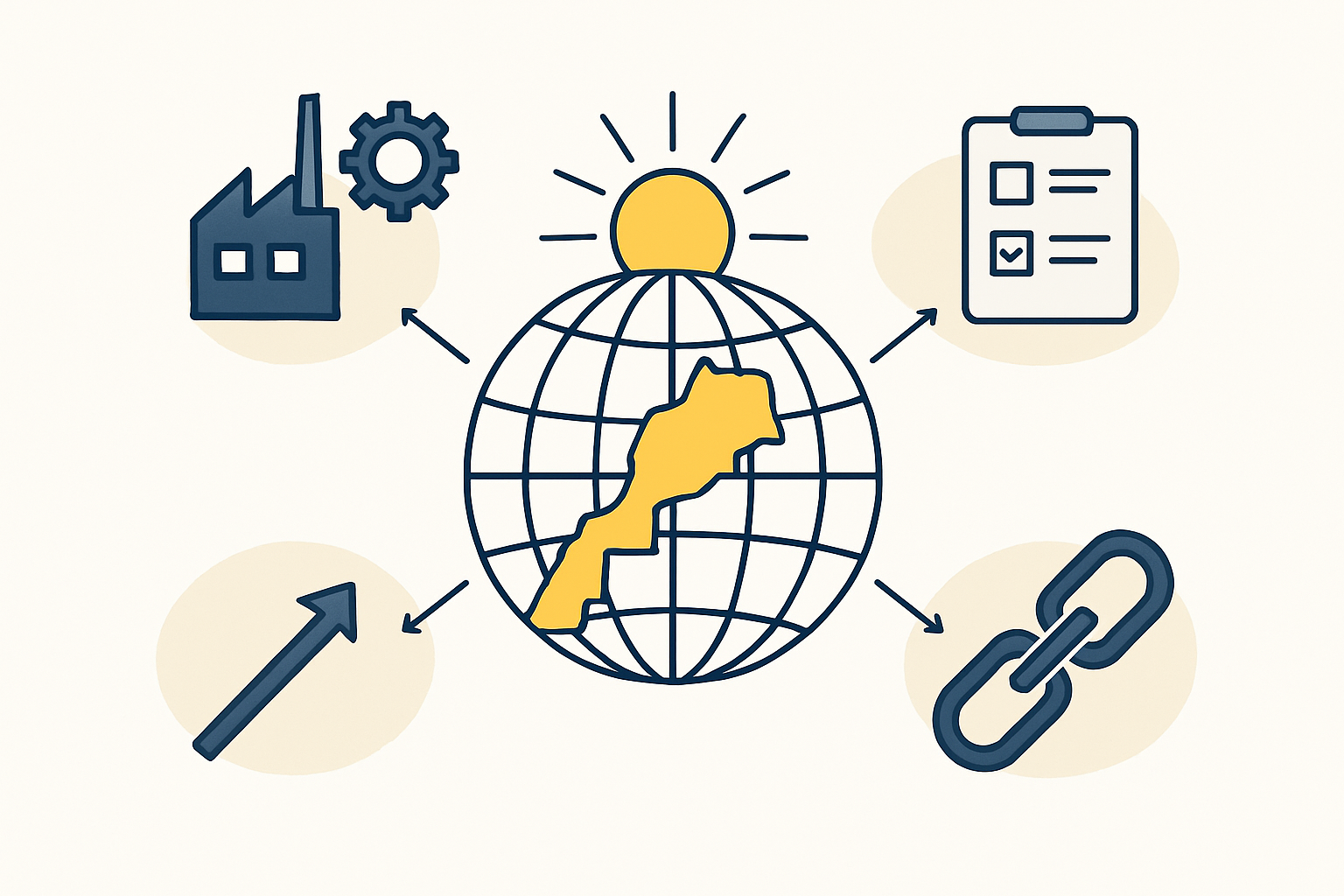
A key aspect of this policy is a local content requirement, often targeting 50–70% for energy projects, which makes developing a local workforce not just an operational choice but a strategic imperative. The primary opportunity lies in Morocco’s demographics: with a median age of around 30 and a high youth unemployment rate, there is no shortage of potential candidates. The challenge is not in finding people, but in transforming that potential into a productive, skilled team.
Sourcing Talent: Where to Find Qualified Candidates
A systematic approach to sourcing is essential. Rather than simply posting job advertisements, a targeted strategy focused on specific institutions and industries is far more effective.
Vocational Training Centers: The Primary Source
The most direct channel for recruiting technicians is through Morocco’s Office of Vocational Training and Promotion of Work (OFPPT). This national body manages numerous training institutes, some offering specialized programs in renewable energy and industrial maintenance. Candidates from these centers typically have a solid theoretical foundation in electrical and mechanical principles, making them ideal trainees for assembly line roles.
Universities and Engineering Schools
For supervisory, quality control, and maintenance engineering roles, Moroccan universities and engineering schools are the primary talent pools. Engaging with institutions focused on energy, such as those collaborating with the Research Institute for Solar Energy and New Energies (IRESEN), can connect you with highly qualified graduates. These individuals can form the technical leadership core of your factory.
Tapping into Adjacent Industries
Morocco has a well-established automotive and electronics manufacturing sector. Workers from these industries bring highly transferable skills, including:
- Experience with precision assembly lines.
- Familiarity with quality control protocols.
- Adherence to workplace safety standards.
Recruiting individuals with this background can significantly shorten the learning curve for the specific demands of solar module assembly.
Ready to make big Profits?
The solar Industry is Booming
WE HELP NEWCOMERS to the solar industry start their own solar module production line. Customers can make BIG PROFITS by selling modules and finding investors, without wasting money and time on things they don't need!
Building a Competent Team: From Recruitment to Operation
Once candidates are identified, the focus shifts to building a cohesive and competent operational team. This process requires clearly defined roles and a robust, practical training program.
Key Roles to Recruit
A typical small-to-mid-scale production line (20–50 MW) requires a team of approximately 25–30 employees. Key roles include:
- Line Operators: Responsible for specific stations in the solar module assembly process, such as cell stringing, bussing, lamination, and framing.
- Quality Control (QC) Technicians: Conduct inspections at critical stages, including visual checks, electroluminescence (EL) testing, and flash performance testing.
- Maintenance Engineers/Technicians: Ensure all key machinery, from stringers to laminators, is properly calibrated and maintained to minimize downtime.
- Production Supervisor: Manages production flow, oversees the workforce, and ensures output targets are met safely and efficiently.
The Importance of a Structured Training Program
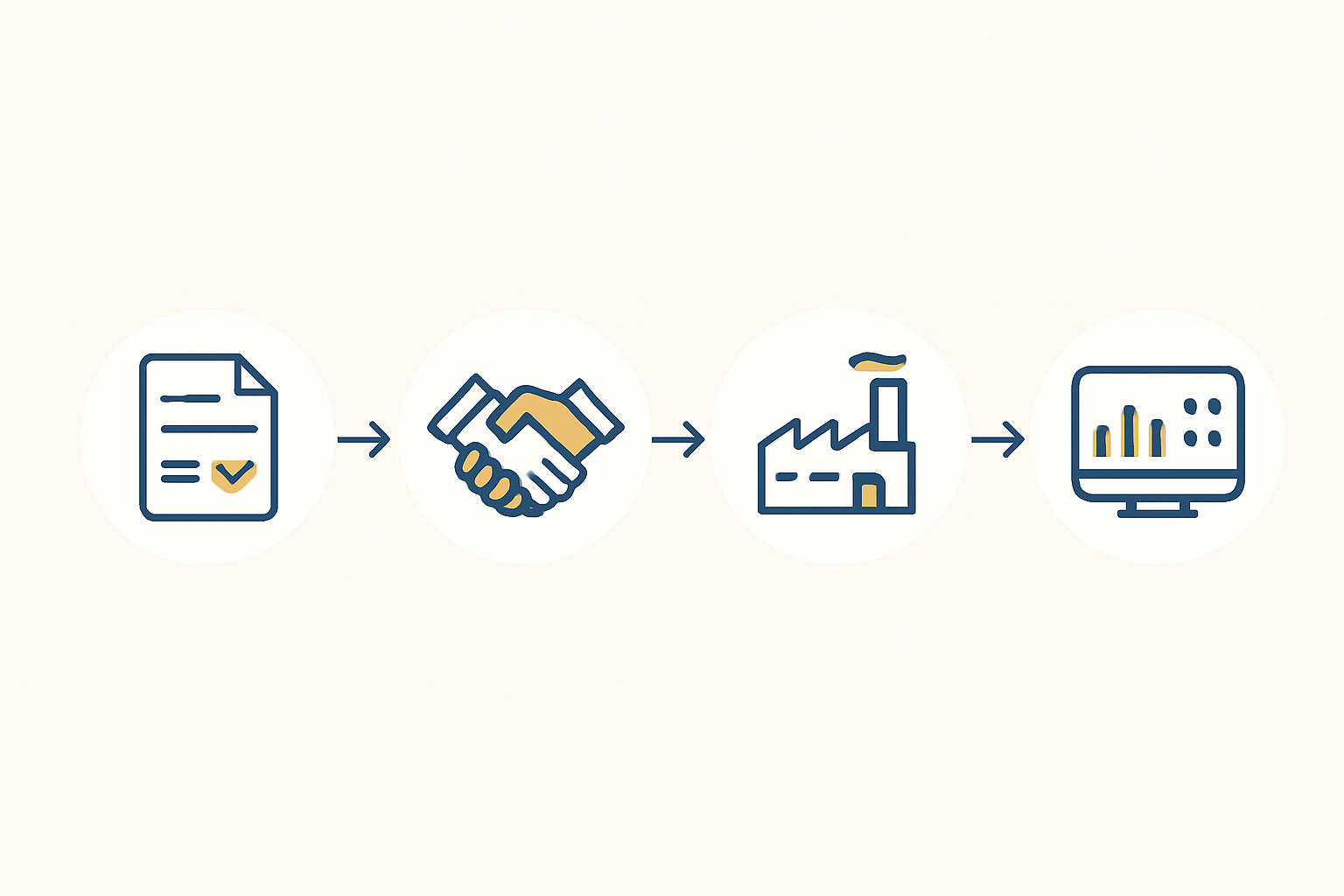
A common mistake is assuming that a technical diploma is enough to make a new hire productive. The critical missing element is hands-on experience with the specific equipment in your facility. A well-structured training program bridges this gap. Based on experience from J.v.G. turnkey projects, an effective program unfolds in two phases:
-
Classroom Theory (1–2 weeks): This phase covers the fundamentals of photovoltaic technology, the specific assembly process for your product, workplace safety protocols, and an introduction to the machinery.
-
On-the-Job Practical Training (3–4 weeks): New hires work directly on the production line under the close supervision of an experienced trainer, often provided by the equipment supplier. They practice each task until they can perform it consistently, safely, and to the required quality standard.
This dual approach ensures that employees understand not only how to perform a task but also why it must be done a certain way—a crucial distinction for maintaining high quality.
Navigating Moroccan Labor Regulations
Compliance with local labor law is non-negotiable and builds a foundation of trust with your workforce and government authorities. Morocco’s labor code is largely influenced by the French civil law system.
Essential Compliance Points
- Written Contracts: Employment contracts must be in writing and clearly state the role, remuneration, and duration of employment.
- Minimum Wage and Working Hours: All employees must be paid at or above the national minimum wage (SMIG). The standard legal workweek is 44 hours.
- Social Security: Employers must register employees with the Caisse Nationale de Sécurité Sociale (CNSS) and make the corresponding contributions.
Engaging a local legal or HR consultant is highly advisable to ensure all hiring and employment practices are fully compliant with current regulations.
Leveraging Institutional Support
Engaging with key national agencies like the Moroccan Agency for Sustainable Energy (MASEN) can provide significant benefits beyond compliance. As central players in the country’s energy strategy, these institutions can offer guidance, facilitate connections, and view your investment as a partnership in achieving national goals. Building these relationships demonstrates a long-term commitment to Morocco’s development.
Frequently Asked Questions (FAQ)
What is a realistic team size for a small-scale (20–50 MW) assembly line?
A typical single-shift operation for this capacity usually requires 25 to 30 employees. This includes line operators, quality control staff, maintenance technicians, a supervisor, and basic administrative support.
How long does a typical training program take?
A comprehensive program that takes new hires from zero practical experience to proficient operators generally lasts between four and six weeks. This includes both classroom instruction and supervised hands-on training on the production line.
Are English or French language skills necessary for line operators?
French is the predominant language of business and technical education in Morocco, so a working knowledge is highly beneficial for supervisors and engineers. For daily operations on the factory floor, Moroccan Arabic (Darija) is essential for clear communication. English is a valuable asset for senior management and technical roles, especially for communicating with international equipment suppliers.
What are the most critical skills to look for in a Quality Control technician?
The ideal QC technician has meticulous attention to detail, a methodical approach, and the ability to strictly follow established procedures. Prior experience in an industrial setting is valuable, as is a fundamental understanding of quality control standards and data recording.
Conclusion and Next Steps
Establishing a solar module factory in Morocco offers a compelling business opportunity, underpinned by strong government support and an abundant workforce. Success, however, is not automatic. It depends on a deliberate and well-executed human resources strategy.
The key is to view the local workforce not as a raw resource but as a strategic asset to be developed. By sourcing talent from the right channels, implementing a structured and practical training program, and ensuring full compliance with local regulations, an investor can build a world-class team capable of producing high-quality solar modules. This foundational investment in people is what ultimately transforms a collection of machinery into a productive and profitable manufacturing operation.