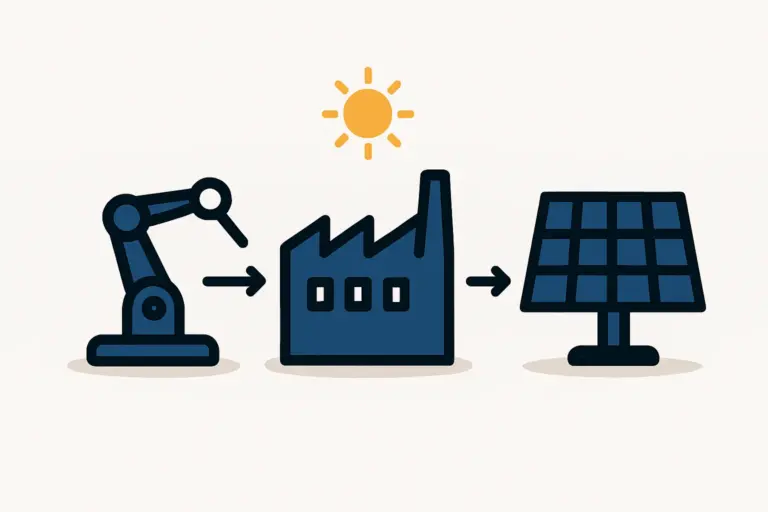
Imagine a newly established solar module assembly line in Nukuʻalofa, Tonga’s capital. Production is running smoothly, with the first batch of high-quality solar panels ready for delivery. The business plan is sound, demand is clear, and the Tonga Energy Road Map (TERM) supports the venture.
The challenge, however, is that a significant portion of the target market resides not on the main island of Tongatapu, but across the sea in the island groups of Vavaʻu, Haʻapai, and even the remote Niuas.
The primary business challenge is no longer manufacturing, but geography. How does a business reliably and cost-effectively transport fragile, high-value solar modules across hundreds of kilometers of open ocean in a region prone to unpredictable weather?
This isn’t just a minor operational detail. It’s a central strategic question that can determine the success or failure of a solar enterprise in an archipelagic nation.
This analysis delves into the logistical challenges and practical solutions for establishing a solar manufacturing supply chain in Tonga, focusing on the critical link between the main production hub and the outer islands.
The Geographic Blueprint of Tonga’s Market
Understanding the logistical landscape begins with appreciating the nation’s geography. The Kingdom of Tonga consists of 169 islands, 36 of which are inhabited. These are spread across four main groups:
- Tongatapu: The southernmost group and the nation’s economic and administrative center. Its international port and airport make it the logical location for a manufacturing facility.
- Haʻapai: A central group of low-lying islands and atolls.
- Vavaʻu: A northern group known for its deep-water harbor and tourism industry.
- Niuas: The most remote and sparsely populated northernmost islands, situated over 600 kilometers from Tongatapu.
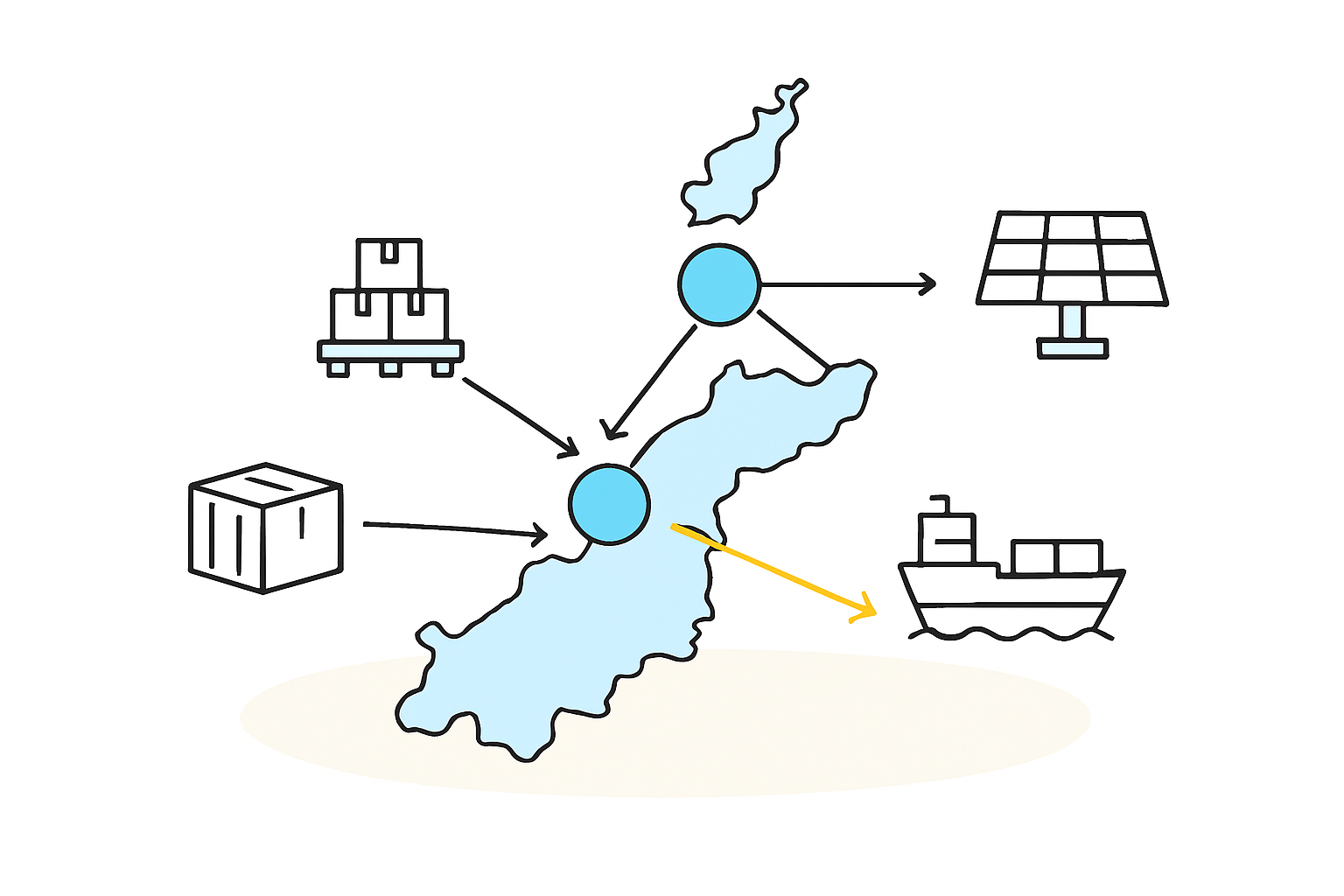
The distances between these island groups are substantial, making transportation a complex undertaking. A business plan focused solely on the Tongatapu market would overlook the significant energy needs and commercial opportunities in the outer islands, which are a key focus of the government’s renewable energy goals. A robust inter-island distribution strategy is not optional—it’s essential.
Core Logistical Challenges in the Tongan Archipelago
While importing raw materials to the main port of Nukuʻalofa on Tongatapu presents standard international shipping challenges, distributing finished modules to the outer islands introduces a unique set of obstacles.
Dependency on Inter-Island Sea Freight
For goods as large and heavy as solar modules, sea freight is the only viable mode of transport. Air freight, while faster, is prohibitively expensive and lacks the capacity for bulk shipments. This reliance on maritime transport means the entire supply chain is subject to the schedules and limitations of local ferry and cargo services.
Ready to make big Profits?
The solar Industry is Booming
WE HELP NEWCOMERS to the solar industry start their own solar module production line. Customers can make BIG PROFITS by selling modules and finding investors, without wasting money and time on things they don't need!
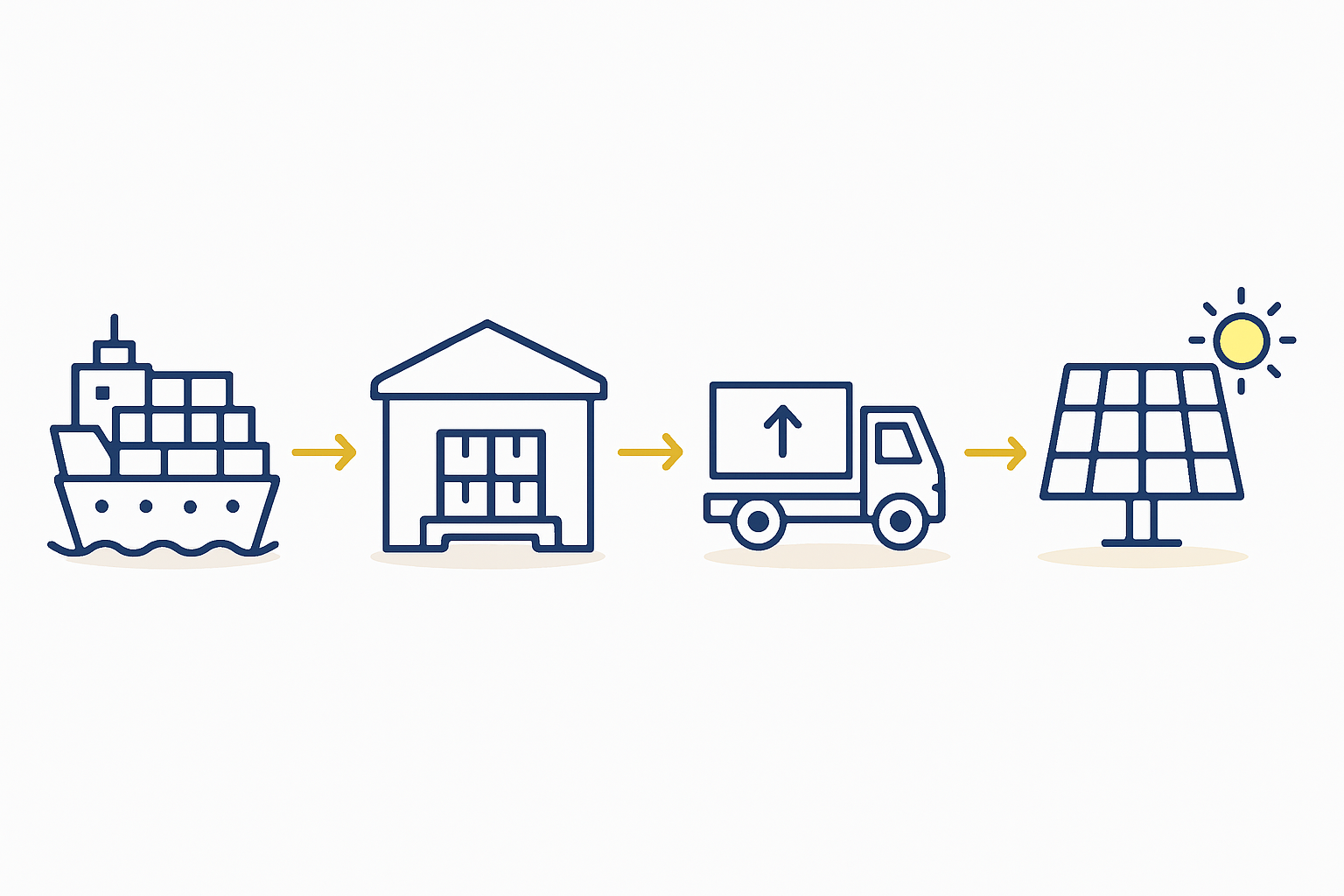
Vessels like the MV ‘Otuanga’ofa and MV Taka-ʻI-Pomena are vital economic lifelines, but they operate on schedules that can be infrequent—sometimes weekly or less often for more remote destinations. Any disruption to these services directly impacts project timelines and cash flow.
Weather and Seasonal Disruptions
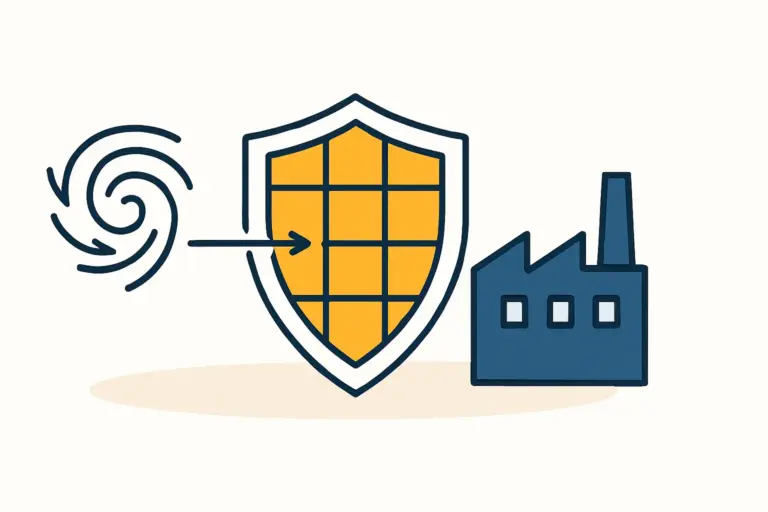
The South Pacific is prone to severe weather, with the official cyclone season running from November to April. During these months, sea transport can be suspended for days or weeks at a time for safety reasons. A solar manufacturing business must factor these predictable disruptions into its inventory and delivery planning to avoid disappointing customers and halting installation projects.
High Costs and Transit Time
Inter-island shipping is a significant cost factor that adds to the final price of a solar module. These costs are influenced by fuel prices, vessel capacity, and handling fees at smaller, less-equipped island ports. What might be a one-day journey can stretch due to multiple stops or weather delays, tying up capital in inventory-in-transit. When calculating the Initial investment for a solar factory, a detailed logistics budget is as crucial as the budget for machinery.
Risk of Product Damage
Solar modules, despite their durability once installed, are fragile during transit. They are vulnerable to damage from impact, vibration, and improper handling. Loading and unloading at small island wharves often lacks the sophisticated equipment found at major international ports. A single damaged module can negate the profit margin on a small shipment, making protective packaging paramount.
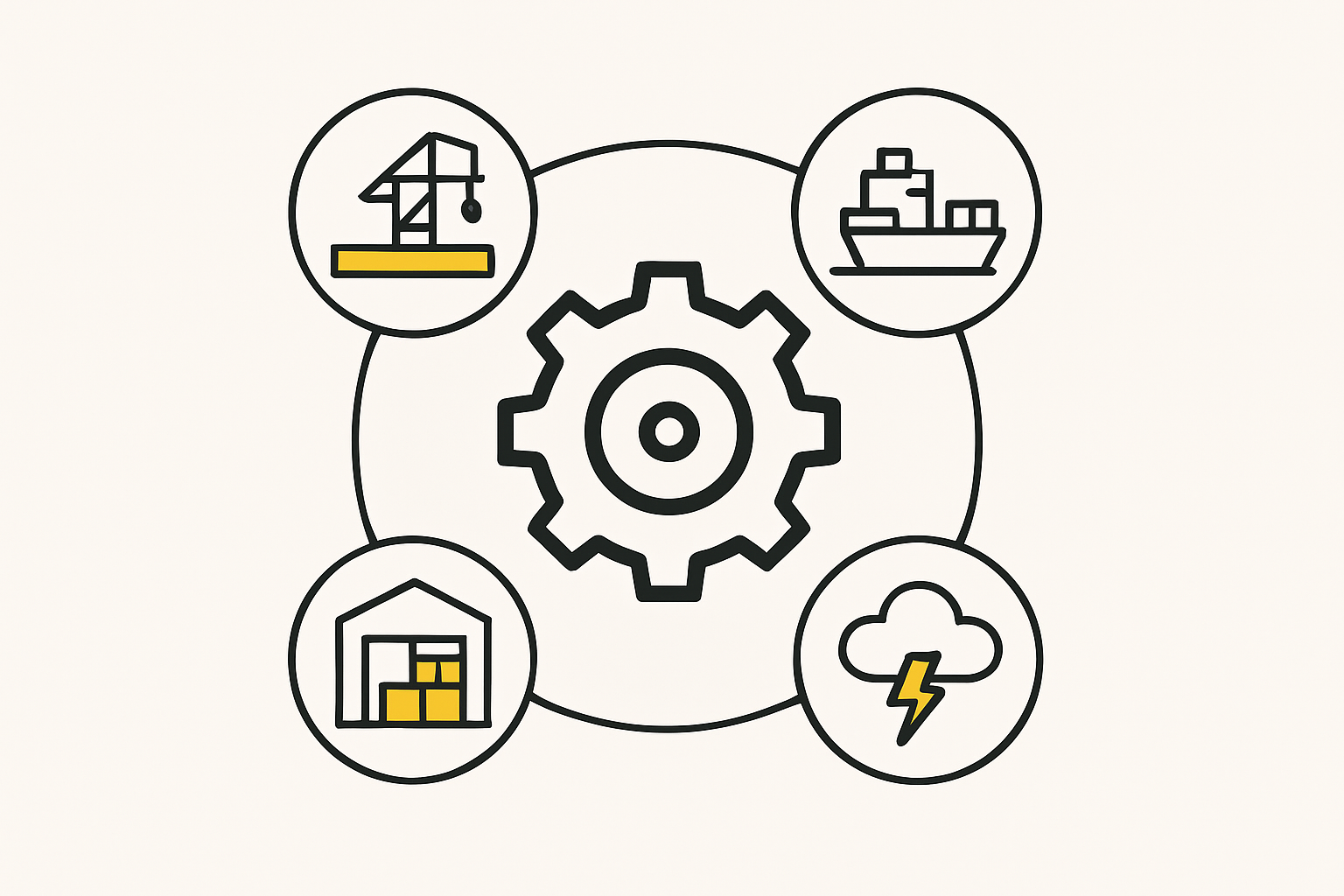
Strategic Solutions for a Resilient Solar Supply Chain
Overcoming these challenges requires a logistics strategy built on foresight, partnerships, and robust processes. A successful Tongan solar enterprise will need to be as much a logistics company as a manufacturer.
1. Centralized Production, Decentralized Storage
The most efficient model involves centralizing manufacturing on Tongatapu to leverage its superior infrastructure. This centralization allows for a ‘hub-and-spoke’ distribution model, which could involve establishing small, secure warehousing facilities or partnering with local agents on key islands like Vavaʻu and Haʻapai. This model allows bulk shipments to be sent to these hubs during favorable weather, with final-mile delivery handled locally. Effective factory layout and storage planning must account for both raw material intake and the temporary storage of crated modules awaiting shipment.
2. Investment in Robust Packaging
Standard export packaging is often insufficient for the rigors of inter-island sea travel. Businesses must invest in custom crating designed for rough handling and maritime conditions. This includes using durable wooden crates to provide structural rigidity, internal padding and bracing to prevent modules from shifting and to absorb shock, and water-resistant liners to protect against sea spray and rain during loading and unloading. This extra step in The solar module manufacturing process is a non-negotiable insurance policy against damage and loss.
3. Cultivating Local Logistics Partnerships
Building strong relationships with established Tongan shipping companies and freight forwarders is a prudent alternative to managing every leg of the journey. These local partners possess invaluable knowledge of schedules, port conditions, and customs. They can navigate the complexities more efficiently and often provide preferential access or rates. Based on experience from J.v.G. turnkey projects in similar markets, these local partnerships are a cornerstone of operational success.
4. Proactive Inventory Management
A ‘just-in-time’ inventory model is ill-suited for this environment. A successful operator must maintain a buffer stock of both raw materials and finished goods on Tongatapu. This buffer provides resilience against shipping delays for imported materials and ensures that orders for outer islands can be fulfilled even if a scheduled ferry is canceled.
Frequently Asked Questions (FAQ)
Q: Why not build smaller assembly plants on the major outer islands?
A: This approach would multiply logistical complexities. Instead of shipping finished goods out, the business would need to ship multiple raw material components (glass, cells, frames, etc.) to various locations. This would increase the risk of supply disruptions and require skilled labor and quality control management across several sites, which is often impractical.
Q: Is air freight ever a viable option?
A: Only for small, urgent shipments of critical spare parts or components. For solar modules, the cost per unit would make the final product uncompetitive. A standard 25 kg module would be far too expensive to ship by air in any significant quantity.
Q: How much does inter-island transport add to the final cost of a solar panel?
A: This varies significantly based on the destination island, fuel costs, and shipment volume. As a preliminary estimate, businesses should budget for an additional 10% to 25% on top of the ex-factory cost for modules delivered to outer islands. This figure must be verified with local shipping agents during the business planning phase.
Q: What is the single most overlooked aspect of Tongan logistics for new investors?
A: The lack of storage and handling infrastructure on the destination islands. A common mistake is assuming that the destination port will have forklifts, secure warehouses, and paved access roads. Planning for the ‘last mile’ of delivery, from the outer island wharf to the final installation site, is just as important as the sea journey itself.
Conclusion: Logistics as a Strategic Pillar
For entrepreneurs and investors considering solar module manufacturing in Tonga, it is essential to view inter-island logistics not as a back-office function but as a core component of the business strategy. The unique geography of the kingdom presents undeniable challenges, but they are not insurmountable.
By embracing a strategy of centralized production, investing in protective packaging, building strong local partnerships, and practicing proactive inventory management, a solar enterprise can build a resilient and reliable supply chain. This logistical competence will become a powerful competitive advantage, enabling the business to effectively serve the entire nation and contribute meaningfully to its renewable energy future.