Many entrepreneurs eyeing the solar industry see Southeast Asia as a strategic manufacturing base, but they often hesitate. They can be daunted by the perceived complexity of foreign investment laws, tax structures, and regulatory requirements. Establishing a factory in a new country can seem intimidating, filled with unknown variables that could threaten profitability and timelines.
For those considering Thailand, however, the Board of Investment (BOI) offers a structured and highly attractive pathway to encourage development in the renewable energy sector. Far from being a barrier, the BOI framework is a powerful tool for reducing initial investment costs and accelerating a new venture’s path to profitability. This guide breaks down the BOI application process for solar manufacturing projects, turning a complex topic into a manageable business strategy.
Understanding the Opportunity: Why Thailand’s BOI Favors Solar Manufacturing
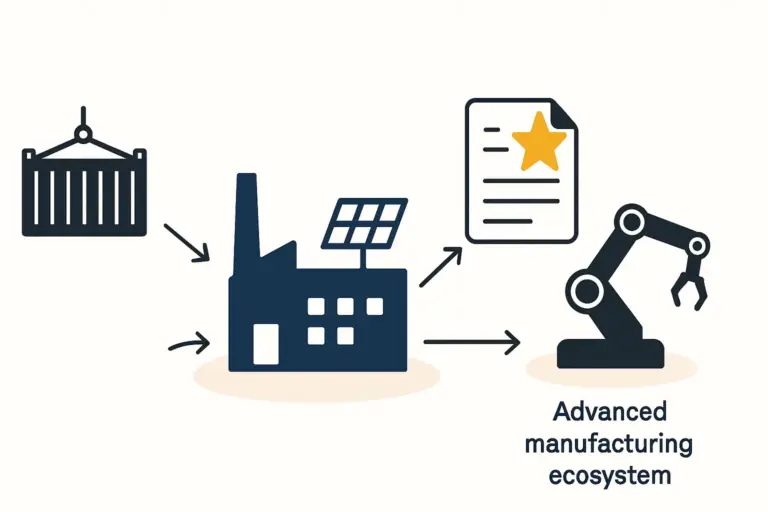
Thailand has strategically positioned itself as a key hub for high-tech and green industries. The government actively promotes investment in sectors that contribute to its long-term economic and environmental goals. Manufacturing components for renewable energy, especially solar cells and modules, falls squarely within this priority category.
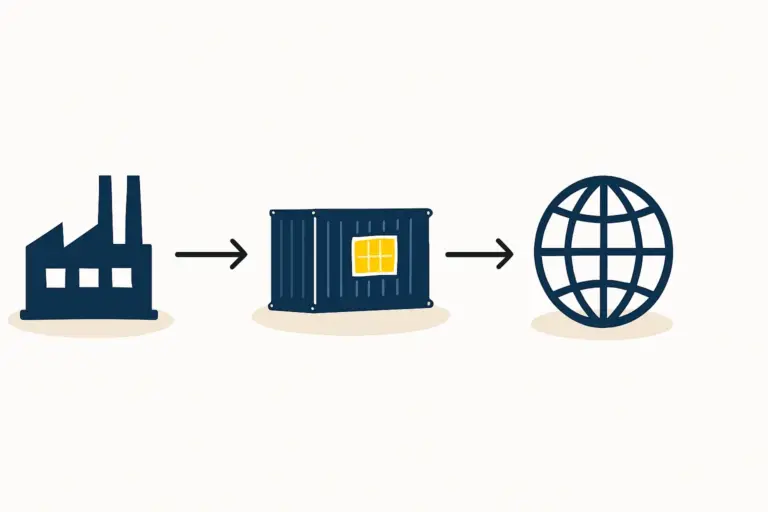
This government support aligns well with the global trend of supply chain diversification. For new ventures, this means establishing a factory in a location that is not only cost-effective but also politically stable—and that offers a clear, government-backed incentive program. Eligible activities under the BOI framework include manufacturing solar cells, modules, and related parts and equipment, making Thailand an ideal destination for new solar businesses.
Core Benefits of BOI Promotion for a Solar Factory
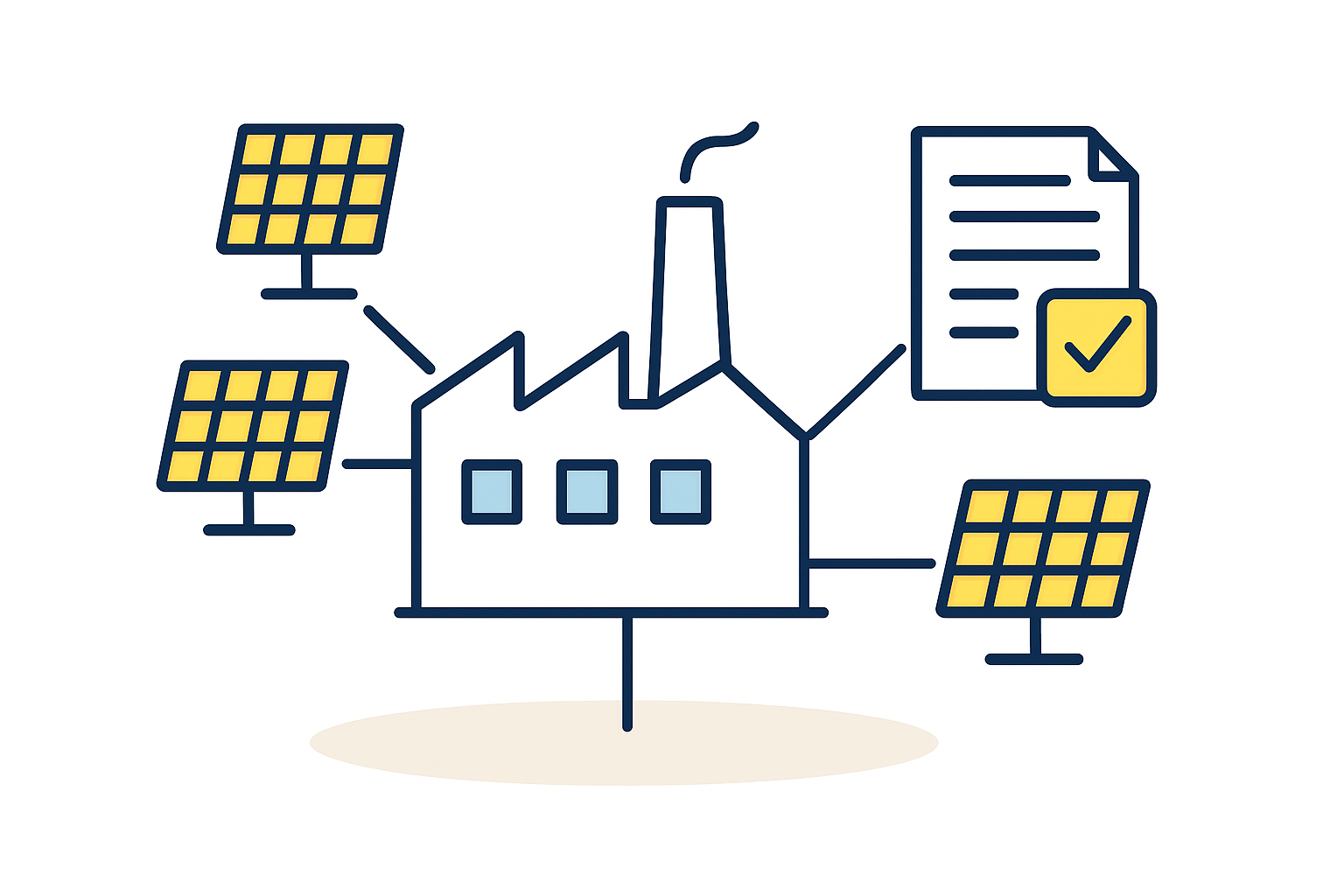
The incentives offered by the BOI are substantial and designed to directly address the primary financial hurdles of a new manufacturing operation. The benefits fall into two main categories: tax and non-tax.
Tax Incentives
These benefits directly impact a project’s bottom line and cash flow, especially during the critical early years.
- Corporate Income Tax (CIT) Exemption: Perhaps the most significant advantage is an exemption from Corporate Income Tax for up to eight years. For a new factory, this means profits from the initial phase can be fully reinvested into business expansion, technology upgrades, or market development.
- Exemption on Import Duties: Since the initial capital outlay for a solar factory is largely equipment, the BOI’s exemption on import duties for essential solar module manufacturing machines is crucial. This provision significantly lowers upfront investment requirements, making the project more financially accessible from day one. An exemption may also apply to raw materials imported for production destined for export.
Non-Tax Incentives
These benefits address operational and logistical challenges, streamlining the process of establishing and running a business as a foreign investor.
- Permission for 100% Foreign Ownership: While foreign ownership is restricted in many Thai sectors, the BOI allows for 100% foreign ownership of a promoted business. This gives investors full control over their operations.
- Permission to Own Land: Another critical advantage is the right to own land. Foreign entities are generally not permitted to own land in Thailand, but a BOI-promoted company can own the property required for its factory and operations.
- Streamlined Visas and Work Permits: The BOI also streamlines the process of obtaining visas and work permits for the foreign skilled workers and experts needed to set up and run the production line.
The BOI Application Process: A Phased Approach
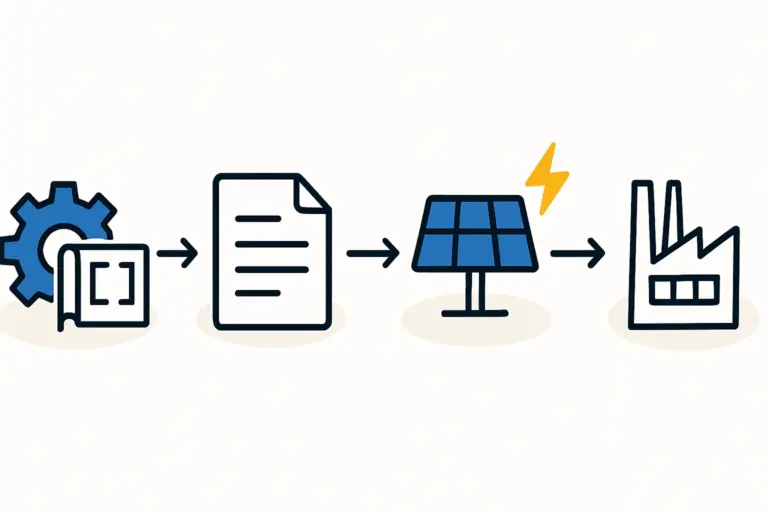
While detailed, the BOI process is logical and transparent. It can be broken down into four distinct phases, forming a key part of the broader journey of starting a solar factory.
Phase 1: Preparation and Submission
This is the foundational stage where the business case is documented.
Ready to make big Profits?
The solar Industry is Booming
WE HELP NEWCOMERS to the solar industry start their own solar module production line. Customers can make BIG PROFITS by selling modules and finding investors, without wasting money and time on things they don't need!
- Eligibility Check: The first step is to confirm that the proposed project meets the BOI’s conditions. This includes criteria related to minimum investment (typically starting from 1 million THB, excluding land and working capital), the use of modern technology, and the project’s contribution to the local economy.
- Documentation: The core of the application is a comprehensive business plan. This document must detail the production process, target markets, financial projections, employment plans, and the technology to be used.
- Online Application: The application form and all supporting documents are submitted through the BOI’s online e-Investment system.
Phase 2: Project Review and Presentation
Once submitted, the project is reviewed by BOI officials.
- BOI Officer Review: An assigned BOI officer reviews the application for completeness and viability, and may request additional information or clarification.
- Project Presentation: The applicant is required to give a presentation to a BOI sub-committee. This is an opportunity to explain the project’s merits, technical feasibility, and market potential. Based on experience from J.v.G. turnkey projects, a common challenge at this stage is clearly communicating the technical aspects of the production line to a non-technical audience. A well-structured and clear plan is essential for success.
Phase 3: Approval and Certificate Issuance
After a successful review, the project moves toward official promotion.
- Official Approval: The applicant receives an official letter approving the project and detailing the specific incentives granted.
- Accepting the Promotion: The applicant must formally accept the promotion within a specified timeframe.
- Receiving the BOI Promotion Certificate: After the applicant accepts the promotion and submits company registration documents, the BOI issues the official Promotion Certificate. This document is the key to unlocking all approved benefits.
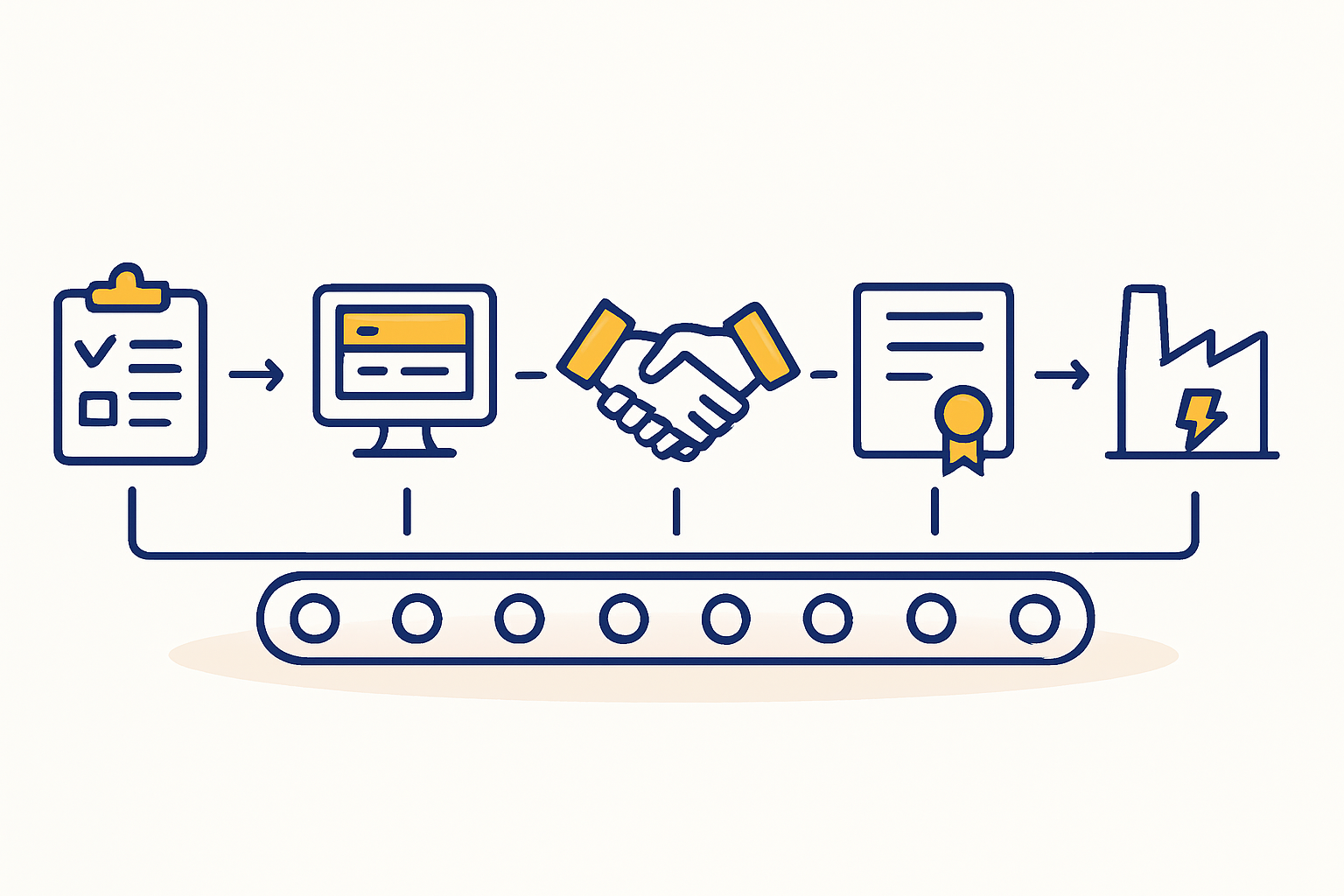
Phase 4: Implementation and Reporting
With the certificate in hand, the company can begin operations but must adhere to certain conditions.
- Importing Machinery: The company has a set period (usually 30 months) to import the approved machinery duty-free.
- Starting Operations: The factory must commence operations within 36 months of the certificate’s issuance.
- Compliance: The promoted company must submit regular progress reports to the BOI and comply with all the conditions outlined in the certificate.
Common Pitfalls and How to Avoid Them
The BOI process is straightforward with proper preparation, but some common errors can cause delays or rejection.
- An Incomplete Business Plan: A plan that lacks detailed market analysis, realistic financial projections, or a clear operational strategy is a common reason for rejection.
- Underestimating Local Nuances: A successful application requires an understanding of the local business environment, so working with local consultants or partners can be highly beneficial.
- A Poorly Defined Technology Stack: Vague descriptions of the machinery and production process can raise questions about the project’s viability. Clear specifications and a robust business plan are needed to meet BOI standards.
Access the downloadable PDF with Thailand BOI incentive application steps.
Frequently Asked Questions (FAQ)
What is the minimum investment required for BOI promotion?
While the official minimum is 1 million THB (excluding cost of land and working capital), technology-based manufacturing projects like solar module production typically require a significantly higher investment to be considered viable.
How long does the application process take?
From the submission date, the approval process typically takes between 40 and 90 working days, depending on the project’s size and complexity.
Do I need a Thai partner to apply for BOI promotion?
No, for most promoted activities, including solar manufacturing, the BOI permits 100% foreign ownership. A local partner is not a requirement.
Can BOI incentives be applied to an existing company?
Yes, an existing company can apply for BOI promotion for an expansion project, provided the new investment meets the BOI’s criteria.
What happens after the tax holiday period ends?
Once the corporate income tax exemption period (e.g., eight years) concludes, the company will be subject to the standard Thai corporate income tax rate, which is currently 20%. Other non-tax benefits, such as land ownership, typically continue.

Conclusion: Your Next Steps in Exploring Thailand’s Solar Potential
Thailand’s Board of Investment offers a compelling, well-defined incentive program that can significantly de-risk and accelerate the launch of a new solar manufacturing enterprise. The combination of tax holidays, import duty exemptions, and ownership rights creates one of the most favorable environments in the region for investment in renewable energy technology.
While the process requires careful preparation and detailed documentation, it is not an insurmountable obstacle but rather a structured pathway designed for serious investors. The key to success lies in thorough planning, a solid business case, and a clear understanding of the requirements. Entrepreneurs who approach the BOI application with diligence can unlock a powerful set of tools to build a competitive and profitable solar manufacturing business in the heart of Southeast Asia.