For an entrepreneur, identifying a fundamental market need is the first step toward building a successful enterprise. In Sao Tome and Principe, a nation of remarkable beauty and growing economic ambition, one such need is particularly acute: reliable, affordable energy.
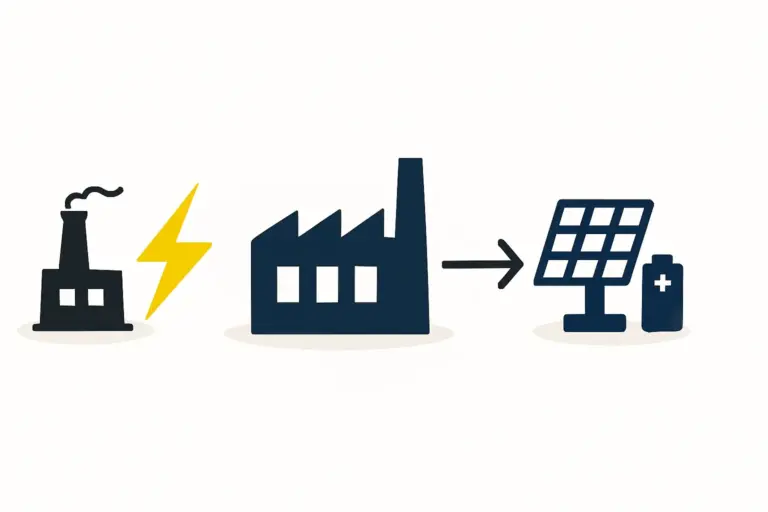
The constant hum of diesel generators at tourist resorts and the high cost of powering agricultural facilities are symptoms of a systemic reliance on expensive, imported fossil fuels. This challenge, however, presents a clear and compelling business opportunity.
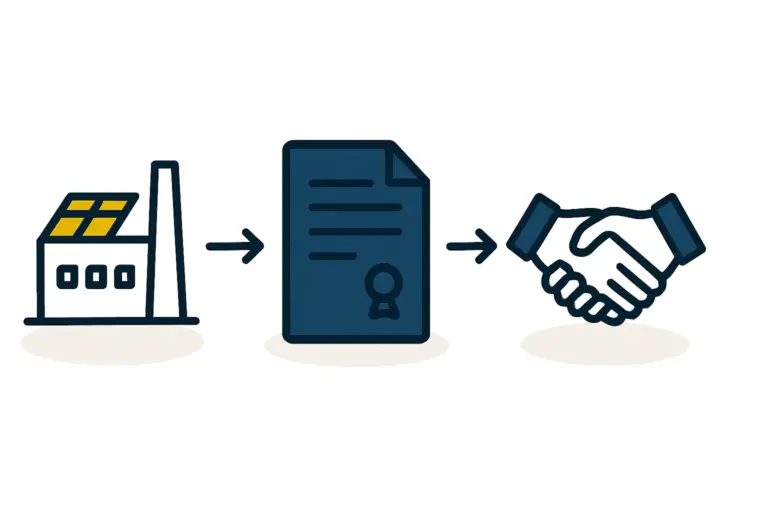
This article outlines the strategic case for establishing a ‘right-sized’ 5–20 MW solar module factory, tailored to serve the burgeoning tourism and agricultural sectors of Sao Tome and Principe. It shows how a focused investment can address a critical infrastructure gap, foster economic growth, and deliver a strong return.
The Energy Dilemma: A Barrier to Economic Growth
Sao Tome and Principe’s economy is built on its natural assets—fertile volcanic soil ideal for cocoa and coffee, and stunning landscapes that attract international tourism. Yet its energy infrastructure remains a significant constraint. The nation’s grid depends almost entirely on imported diesel fuel, a volatile and expensive commodity.
Key challenges include:
-
High Fuel Costs: Dependence on imported diesel exposes the economy to global price shocks and creates a constant drain on foreign currency reserves.
-
Unreliable Supply: The existing generation capacity of approximately 29 MW is often diminished by aging equipment, leading to frequent power outages that disrupt business operations and daily life.
-
Limited Access: While national electricity access is around 73%, rural areas—the heart of the agricultural sector—remain underserved.
The government has recognized this vulnerability. Its National Renewable Energy Action Plan (NREAP) signals a clear intent to increase the share of renewables and achieve greater energy security. This policy creates a favorable environment for investors in the solar sector. With solar irradiation levels between 4.5 and 5.5 kWh/m²/day, the country’s most abundant natural resource is not its soil, but its sunlight.
Why Local Solar Manufacturing is the Logical Solution
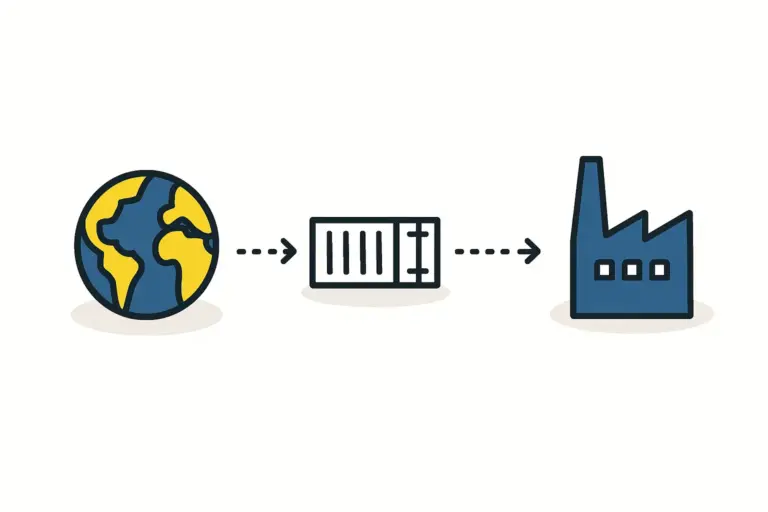
For a small island nation, importing finished solar modules presents its own challenges, from high shipping costs and logistical delays to import duties and the risk of damage during transit. A local assembly plant bypasses these issues and creates a cascade of economic benefits:
-
Job Creation: Establishes stable employment for skilled and semi-skilled local workers.
-
Capacity Building: Develops a domestic technical skill set in a high-growth global industry.
-
Supply Chain Security: Reduces dependence on international suppliers and lengthy shipping times.
-
Customization: Enables the production of modules specifically designed to withstand local climatic conditions, such as high humidity and salt mist near the coast.
-
Economic Stimulation: Fosters national pride and spurs the growth of ancillary businesses for components like aluminum frames or packaging.
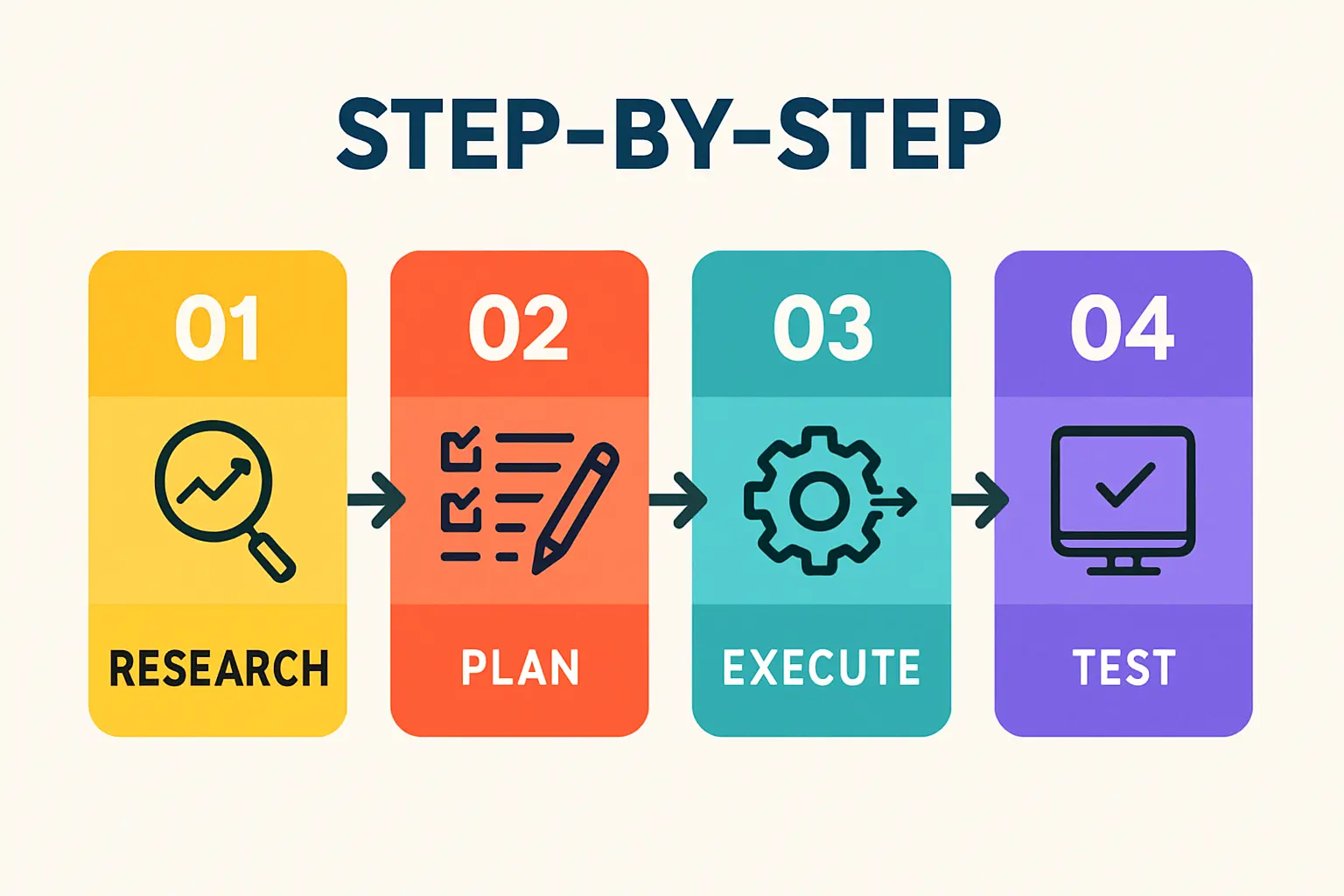
A well-structured approach is crucial. Understanding how to start a solar panel manufacturing business is the first step toward turning this opportunity into a viable enterprise.

Targeting Key Sectors: A Focused Market Approach
A small-scale factory can achieve profitability by focusing on the most immediate and commercially viable local markets.
The Tourism Sector: Powering Paradise Sustainably
Hotels, eco-lodges, and resorts are the cornerstones of Sao Tome’s growing tourism industry. Their primary need is uninterrupted power for air conditioning, refrigeration, and lighting to ensure guest comfort. Currently, they often meet this need with noisy, polluting, and expensive diesel generators.
Locally manufactured solar panels offer a superior alternative, providing silent, clean energy that enhances the guest experience. This also creates a powerful marketing advantage, appealing to the growing segment of eco-conscious international travelers who value sustainability.
The Agricultural Sector: Enhancing Productivity and Value
Agriculture—particularly the export of cocoa, coffee, and palm oil—is the traditional backbone of the economy. Access to reliable energy can transform this sector by:
-
Powering Irrigation: Increasing crop yields and resilience against irregular rainfall.
-
Enabling Cold Storage: Reducing post-harvest losses for perishable goods.
-
Fueling Processing: Allowing for in-country value addition, such as drying and packaging, which commands higher prices on the international market.
Community and Infrastructure: Building Resilience
Beyond the primary commercial sectors, a local factory can supply modules for critical social infrastructure. Decentralized solar systems can provide reliable power to rural schools, health clinics, and community centers far from the main grid, dramatically improving public services and quality of life.
Defining the ‘Right-Sized’ Factory: 5 MW to 20 MW
The term ‘solar factory’ often evokes images of massive, multi-billion-dollar gigafactories. That scale is entirely inappropriate for the domestic market of Sao Tome and Principe. The strategic advantage lies in establishing a plant that is ‘right-sized’ for local demand.
A 5 MW to 20 MW semi-automated assembly line offers the perfect balance. For context, a 10 MW facility can produce approximately 27,400 solar modules (at 365Wp each) per year—a volume capable of meeting the nation’s project needs for several years.
The benefits of this approach include:
-
Lower Capital Expenditure: The initial solar panel manufacturing plant cost for a small-scale setup is considerably more accessible to an entrepreneur.
-
Operational Flexibility: The plant can scale production up or down to match market demand without the burden of high fixed costs.
-
Faster Path to Profitability: By focusing on a defined market, the business can achieve positive cash flow more quickly.
Based on experience from J.v.G. Technology GmbH turnkey projects in similar emerging markets, matching production capacity to the local absorption rate is critical for long-term success. Over-investment in capacity can strain cash flow before the market fully matures.

Frequently Asked Questions (FAQ)
What is the primary advantage of local assembly over importing panels?
The key advantages are both economic and logistical. Local assembly creates jobs, builds technical skills, and reduces dependence on complex international supply chains. It also lowers costs from shipping, import tariffs, and potential transit damage, while allowing products to be customized for local environmental conditions.
How many employees would a 10 MW factory require?
A semi-automated 10 MW line typically requires 25 to 35 employees. This includes machine operators, quality control technicians, maintenance staff, and administrative personnel, representing a significant contribution to local employment.
What are the main equipment components for such a factory?
The core of a semi-automated line includes a cell stringer (to connect solar cells), a laminator (to encapsulate panels), a framing machine, and a solar simulator (to test and certify each module’s power output). Choosing the right solar panel manufacturing equipment is vital for ensuring product quality, reliability, and overall plant efficiency.
Is a technical background necessary to start this business?
While helpful, a deep technical background in photovoltaics is not essential for the entrepreneur. Strong business acumen and project management skills are more critical. The technical aspects can be managed by hiring a skilled operations manager and partnering with an experienced consultancy for turnkey setup, equipment commissioning, and staff training.
Conclusion: A Pathway to Energy Independence and Economic Opportunity
Sao Tome and Principe’s energy deficit is not just a problem; it is a well-defined business opportunity for a visionary investor. Establishing a small-scale, locally-focused solar module factory is a pragmatic, profitable, and impactful solution. Such an enterprise aligns perfectly with national development goals, directly serves the country’s most vital economic sectors, and builds a foundation for long-term energy independence and resilience.
The next logical step for any serious investor is to develop a detailed financial model. A comprehensive business plan for solar panel manufacturing is the foundational document for securing financing and guiding the project from concept to operation.