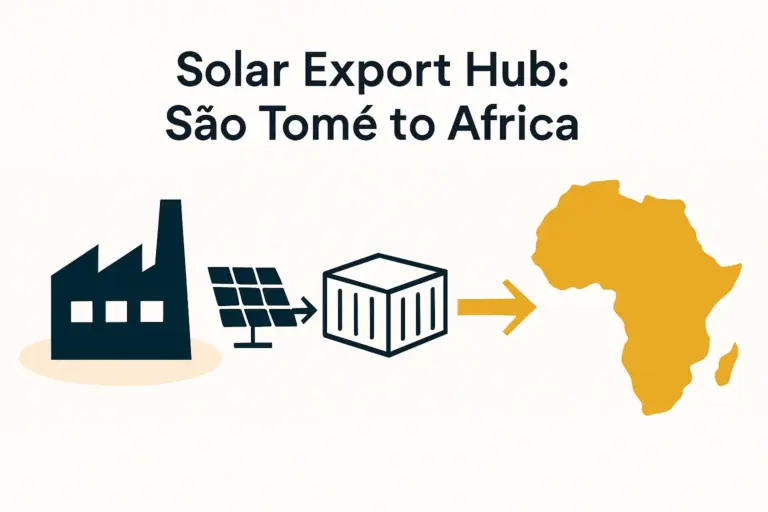
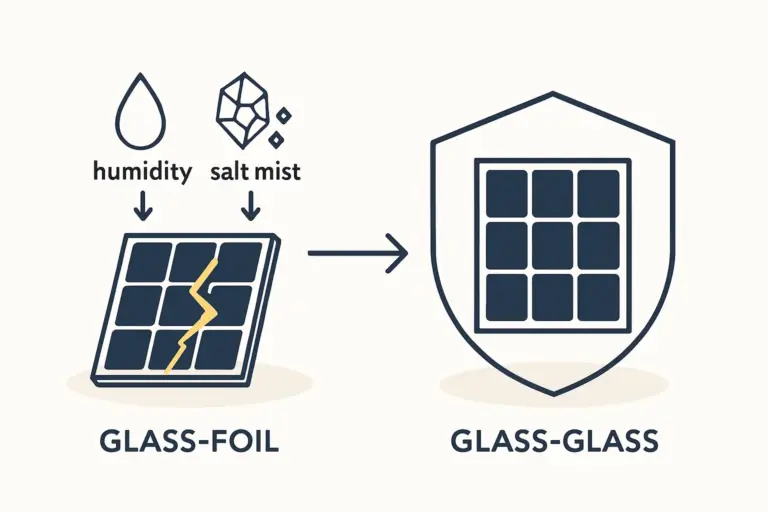
For international investors, certain markets stand out for their untapped potential. Sao Tome and Principe, an island nation in the Gulf of Guinea, is one such opportunity. With high electricity costs, a dependency on imported fossil fuels, and abundant solar irradiation, the country presents a compelling case for local solar module manufacturing.
The true catalyst for investment, however, lies in the government’s structured incentives designed to attract foreign capital. Navigating these financial and legal frameworks is the first critical step for any entrepreneur considering this market. It’s not just about identifying tax breaks; it’s about aligning a business proposal with the nation’s strategic development goals.
Understanding the Investment Landscape in Sao Tome and Principe
To appreciate the incentives offered, it’s essential to understand the context. As a Small Island Developing State (SIDS), Sao Tome and Principe faces unique economic and environmental challenges. The government has identified renewable energy, particularly solar, as a key pillar for achieving energy independence, reducing costs for its citizens and businesses, and promoting sustainable economic growth.
This strategic priority is formalized through the country’s Private Investment Code. This legislation is the primary legal instrument governing foreign direct investment (FDI) and is designed to create a predictable and attractive environment for foreign entrepreneurs.
The central body facilitating this process is the Trade and Investment Promotion Agency (APCI – Agência de Promoção do Comércio e do Investimento), which acts as a ‘one-stop-shop’ to guide investors through the administrative and legal procedures. The government’s objective is clear: to attract projects that contribute to job creation, technology transfer, and the diversification of its economy. A solar module manufacturing facility, for example, aligns perfectly with these goals.
Key Financial Incentives for Solar Manufacturers
Investors whose projects align with national priorities can benefit from a range of significant financial incentives, typically codified in a formal Investment Contract with the state.
Tax Exemptions and Reductions
The most direct financial benefits come from substantial tax relief. While the specifics are negotiated based on a project’s scale and impact, the framework generally includes:
-
Corporate Income Tax (IRPC) Holiday: New industrial projects, especially in priority sectors like renewable energy, may qualify for a full exemption from corporate income tax for five to ten years. Following this initial period, a reduced rate may apply for several more years.
-
Customs Duty Exemptions: This is a crucial incentive for a manufacturing startup. The Private Investment Code provides exemptions on import duties for capital goods, machinery, equipment, and raw materials needed for establishing and operating the factory. This significantly reduces the initial capital expenditure for a turnkey solar manufacturing line.
Ready to make big Profits?
The solar Industry is Booming
WE HELP NEWCOMERS to the solar industry start their own solar module production line. Customers can make BIG PROFITS by selling modules and finding investors, without wasting money and time on things they don't need!
-
VAT (IVA) Exemptions: The importation of essential equipment and components for the manufacturing process is often exempt from Value Added Tax, further improving a project’s cash flow during the critical setup phase.
The Role of the Zona Económica Especial (ZEE)
The government has designated the island of Principe as a Special Economic Zone (ZEE), offering an enhanced package of incentives to attract pioneering investments. For a solar manufacturer, establishing a facility within the ZEE could provide:
- Potentially longer tax exemption periods.
- Streamlined and expedited administrative and licensing processes.
- Access to dedicated infrastructure and logistical support.
- More flexible regulations regarding foreign exchange and profit repatriation.

Access to Land and Infrastructure
Recognizing that securing a suitable location can be a primary hurdle, the government can facilitate access to industrial land through long-term concession agreements or leases. As experience from J.v.G. turnkey projects in emerging markets has shown, securing these land and utility agreements early is a critical project milestone.
The Strategic Process for Accessing Incentives
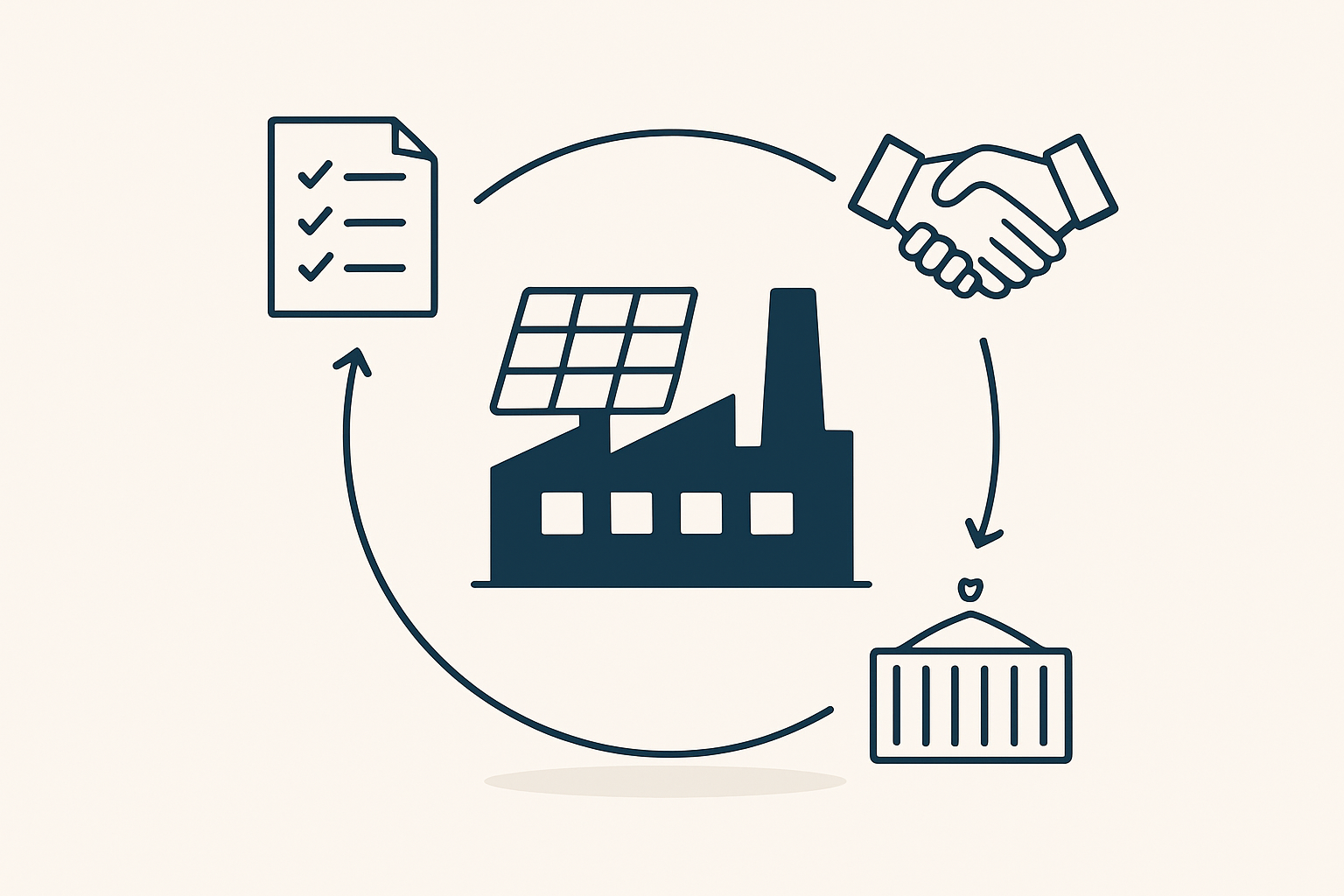
Obtaining these benefits requires a formal and structured approach. Investors cannot simply claim them; they must be earned through a comprehensive application and negotiation process.
Step 1: The Investment Proposal
The foundation of any application is a detailed investment proposal. This document must go beyond a standard solar panel manufacturing business plan. It must clearly articulate the project’s contribution to Sao Tome and Principe’s economy, focusing on metrics such as:
- Number of local jobs to be created.
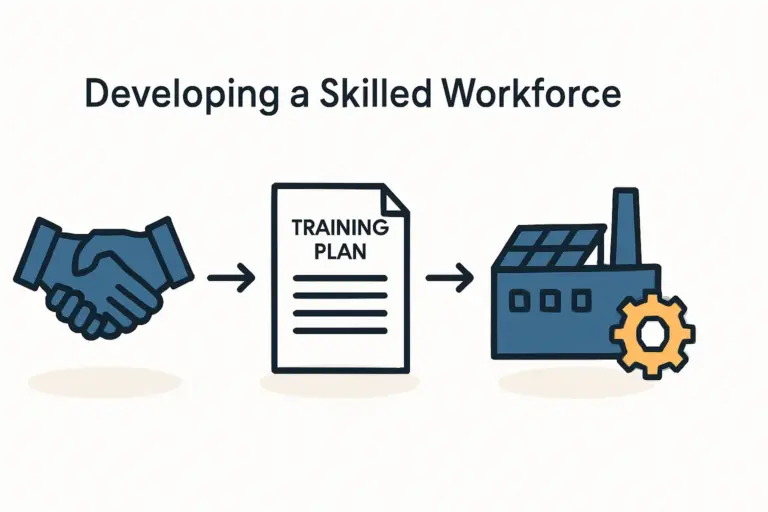
- Plans for training and skill development for local staff.
- Projected production capacity and potential for export.
- The total amount of capital to be invested.
Step 2: Engaging with the APCI
The APCI is the investor’s primary liaison. Submitting the proposal to this agency initiates the formal review process. The APCI evaluates the project’s viability and alignment with the Private Investment Code and coordinates with all other relevant government ministries (e.g., Finance, Infrastructure, and Natural Resources).
Step 3: The Investment Contract
Upon successful evaluation, the government and the investor negotiate and sign an Investment Contract. This legally binding document outlines the specific rights and obligations of both parties. It formalizes the exact tax incentives, their duration, and the performance milestones required to maintain them. The importance of securing experienced legal counsel during this phase cannot be overstated.
Common Challenges and How to Prepare for Them
While the opportunity is significant, entrepreneurs must approach it with a realistic understanding of the local operating environment.
Bureaucratic Delays
As in many emerging markets, administrative processes can take longer than anticipated. Patience, persistence, and proactive communication with the APCI are essential. Engaging a local consultant or legal representative with experience in this area can prove invaluable.
Infrastructure Limitations
While improving, logistics and grid infrastructure can still present challenges—a common factor for many island nations. This underscores the importance of a robust operational plan that accounts for potential supply chain disruptions or the need for on-site power generation. These factors should be carefully assessed when determining overall solar factory setup costs.
Understanding Local Context
Successfully navigating the investment process often requires an appreciation for local business culture and regulatory nuances. Building strong relationships with government stakeholders and demonstrating a long-term commitment to the country’s development are just as important as the financial projections in the business plan.

Frequently Asked Questions (FAQ)
What is the minimum investment required to qualify for incentives?
There is no fixed minimum. Qualification is typically based on the project’s scale, strategic importance, and economic impact (e.g., job creation). However, a project demonstrating a significant capital investment for a 20-50 MW assembly line would be viewed favorably.
Are these incentives guaranteed?
The incentives are not automatic. They are granted contractually upon the approval of a formal investment proposal and are conditional on the investor fulfilling their obligations as stipulated in the Investment Contract.
How long does the approval process typically take?
While variable, an investor should realistically plan for a timeline of 6 to 12 months from the initial proposal submission to the signing of the Investment Contract, depending on the project’s complexity.
Is it necessary to have a local partner?
The Private Investment Code does not legally require a local partner for 100% foreign-owned investments. However, from a practical standpoint, a reputable local partner can provide invaluable assistance in navigating administrative processes and understanding the local market.
Do the incentives apply to both module assembly and upstream manufacturing?
The incentives are designed to be technology-neutral within the renewable energy sector. A project for simple module assembly would likely qualify, but a proposal that includes higher value-add processes, such as cell manufacturing, might be eligible for an even more favorable package of incentives due to the greater technology transfer involved.
Conclusion: Your Next Steps in Exploring Sao Tome and Principe
Sao Tome and Principe offers a structured and genuinely attractive incentive framework for foreign investors in the solar manufacturing sector. The government has created a clear pathway for projects that align with its vision for a sustainable and energy-independent future.
Success isn’t just about having the capital to invest; it demands thorough preparation, a deep understanding of the legal framework, and a strategic approach to engaging with local authorities. Further research into local market demand, labor skills, and operational logistics will form the foundation of a robust and fundable business case.