An investor reviews a solar irradiance map of Africa and sees the Horn of Africa glowing with opportunity. The potential for solar energy in Somalia is immense, yet this potential is often overshadowed by headlines focused on instability.
For the discerning entrepreneur, however, the question is not if business can be done, but how it can be done safely and sustainably. The reality is that successful industrial operations have long existed in the region, built on pragmatic and robust security planning.
This article outlines a structured framework for mitigating operational risks when establishing a solar factory in Somalia. It moves beyond common perceptions, focusing instead on established, field-proven strategies in site selection, facility security, supply chain management, and personnel safety.
By treating security as a core business process, not an afterthought, an investor can protect assets and personnel, ensuring the long-term viability of the venture. This approach is fundamental to launching a successful solar module manufacturing business(/how-to-start-a-solar-factory/) in any challenging market.
The Foundation: Understanding the Local Operating Environment
Before any concrete is poured, the most critical investment is in understanding the local context. Somalia’s security landscape is not uniform; it varies significantly between regions, districts, and even neighborhoods.
Successful ventures, from telecommunications to logistics, have demonstrated that a deep understanding of local power structures, community relationships, and economic drivers is non-negotiable.
Applying a one-size-fits-all security model is a common mistake. A successful strategy is built on localized intelligence. This means engaging with reputable local advisors, understanding historical land ownership, and mapping the logistical corridors from the port to the proposed factory site. This initial diligence informs every subsequent decision and serves as the first line of defense against future risks.
The Four Pillars of a Robust Security Strategy
A comprehensive security plan is not a single wall but a series of integrated layers. Drawing from experience with industrial projects in similar environments, this strategy rests on four essential pillars.
1. Strategic Site Selection and Facility Hardening
The location of the factory is the most critical security decision. An ideal site is not just about affordable land; it is about creating a defensible and manageable space.
Key considerations include:
Ready to make big Profits?
The solar Industry is Booming
WE HELP NEWCOMERS to the solar industry start their own solar module production line. Customers can make BIG PROFITS by selling modules and finding investors, without wasting money and time on things they don't need!
- Proximity to Infrastructure: Locating near major transport routes and ports like Mogadishu, Berbera, or Kismayo reduces time-on-road for sensitive shipments—a period of high vulnerability.
- Buffer Zones: The site should allow for a significant sterile buffer zone between the perimeter fence and the main building, providing reaction time and deterring casual intrusion.
- Community Context: The site should not be in an area with active land disputes or significant inter-clan tension. A location seen as neutral territory is preferable.
Once a site is chosen, the facility itself becomes the next layer of defense. This goes beyond standard factory building requirements(/solar-factory-building-requirements/) and incorporates specific security enhancements.
2. A Multi-Layered Physical Security System
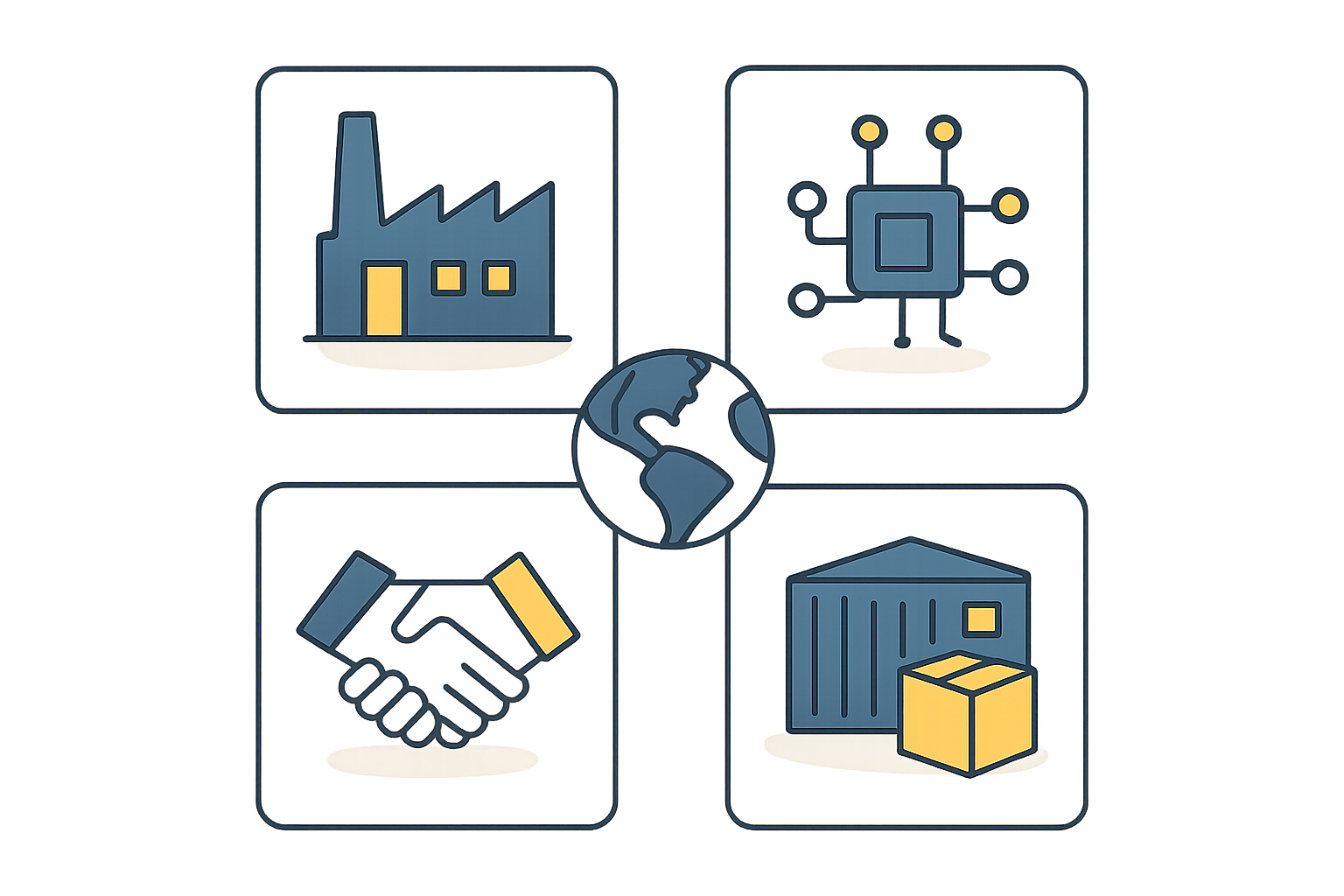
The concept of ‘defense in depth’ is critical. It ensures that if one security layer is breached, others are in place to detect, delay, and respond to the threat.
- The Perimeter: This is the outermost layer, typically consisting of high-quality fencing (e.g., anti-climb mesh), concertina wire, adequate lighting, and CCTV surveillance covering all approaches. Manned watchtowers at strategic points provide a visible deterrent.
- Access Control: All entry and exit points must be strictly controlled. This includes a formal gatehouse for vehicle and personnel screening, mandatory ID checks, and detailed visitor logs to restrict site access to authorized individuals.
- The Facility Core: High-value materials for solar module production—such as silver paste, solar cells, and junction boxes—must be stored in a secure ‘core’ within the main building. This area should have separate, reinforced access controls and be under constant surveillance.
3. Securing the Supply Chain from Port to Production
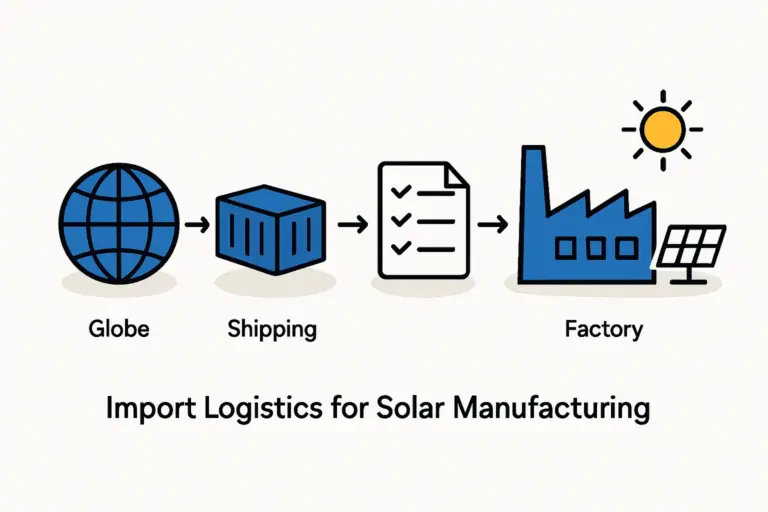
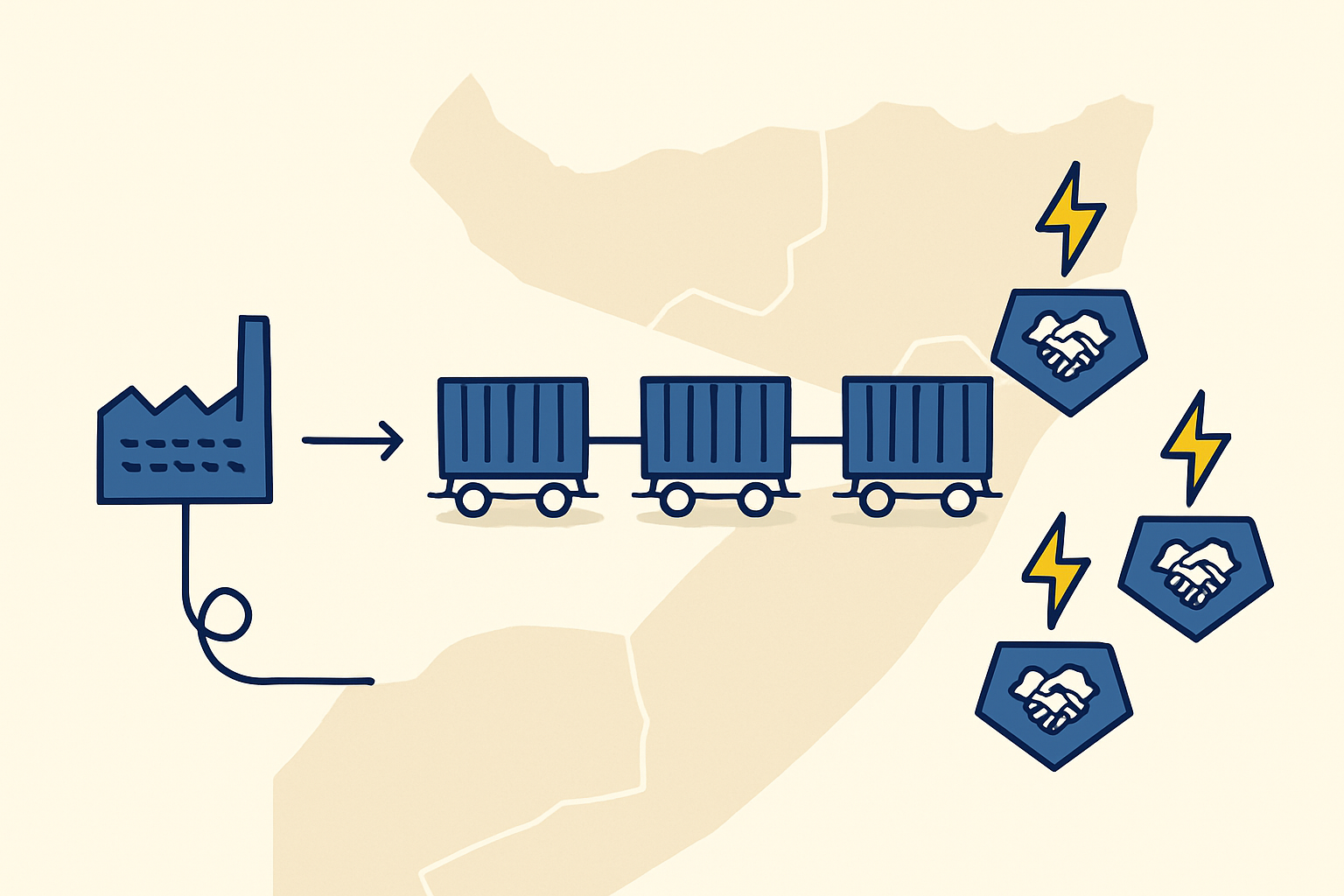
A factory is only as secure as its supply chain. Since raw materials are most vulnerable during transit, a resilient logistics plan must account for the journey from the port of entry to the factory floor.
Effective strategies include:
- Vetted Logistics Partners: Work only with established and reputable local logistics companies that have a proven track record in secure transport. Conduct thorough due diligence on their procedures, personnel, and equipment.
- Secure Transport Protocols: For high-value shipments, using guarded convoys is standard practice. GPS tracking on all vehicles provides real-time oversight, while varying routes can prevent predictable patterns that attackers might exploit.
- ‘Just-in-Time’ Inventory Reduction: Minimizing the amount of high-value raw material stored on-site at any given time reduces the potential loss from a major theft. This requires precise coordination between procurement and production schedules.
4. Personnel Vetting and Community Engagement
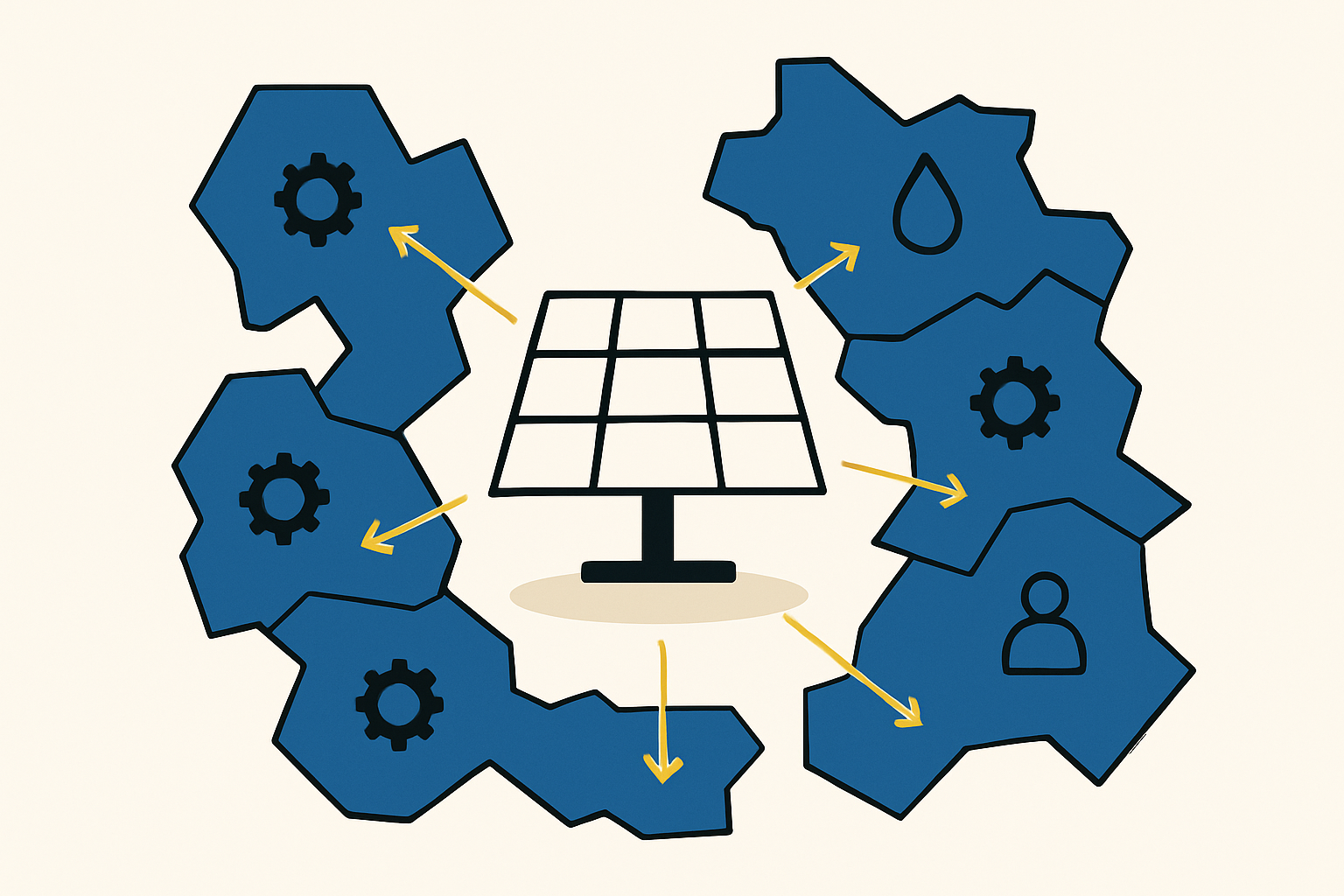
The most sophisticated security technology can be undermined by human factors. This makes personnel and community engagement arguably the most important pillars for long-term success.
- Rigorous Staff Vetting: Every employee, from managers to cleaning staff, must undergo a thorough background check conducted by a professional entity. This helps mitigate the risk of internal sabotage or collusion.
- Building Local Buy-In: A factory that provides stable, well-paid employment becomes a valuable community asset. By prioritizing local hiring, an enterprise creates a powerful network of stakeholders who have a vested interest in its security. When community leaders see the factory as a source of prosperity for their people, they are more likely to provide intelligence and support.
- Professional Training: Investing in professional training for local security staff not only increases their effectiveness but also builds pride and loyalty. A well-trained, well-equipped local guard force is often more effective than an expatriate team because of its superior local knowledge and integration.
Operational security in a market like Somalia is a manageable business function. It requires diligent planning, investment in multiple layers of protection, and a deep respect for the local context. An investor who adopts this structured approach can effectively protect their assets and pave the way for a profitable and impactful venture in one of the world’s highest-potential solar markets.
Frequently Asked Questions (FAQ)
Question: What are the primary security threats a solar factory might face in Somalia?
Answer: The primary threats include theft of high-value materials (like copper, silver paste, and finished modules), extortion, kidnapping of key personnel, and the potential for internal sabotage. A comprehensive security plan addresses each of these risks systematically.
Question: Is it necessary to hire expensive international security contractors?
Answer: Not always. A hybrid approach is often most effective. International consultants can help design the initial security master plan and train local leadership. However, the day-to-day guarding and response force is often best composed of well-vetted, professionally trained local staff who understand the environment and language.
Question: How much does a comprehensive security plan add to the project budget?
Answer: While specific figures vary, investors should budget for security as a significant component of both setup and operational costs. These expenses, which may affect the initial investment costs(/solar-factory-investment-cost/), should be viewed as an insurance policy that protects the entire multi-million dollar investment from catastrophic loss. The cost of inaction is invariably higher.
Question: Can local community support genuinely improve security?
Answer: Absolutely. This is perhaps the most effective long-term security tool. When a factory is a major local employer and contributes positively to the community, residents become its eyes and ears. They are more likely to report suspicious activity and are less tolerant of criminal elements that threaten their shared livelihood. This informal intelligence and goodwill is invaluable.