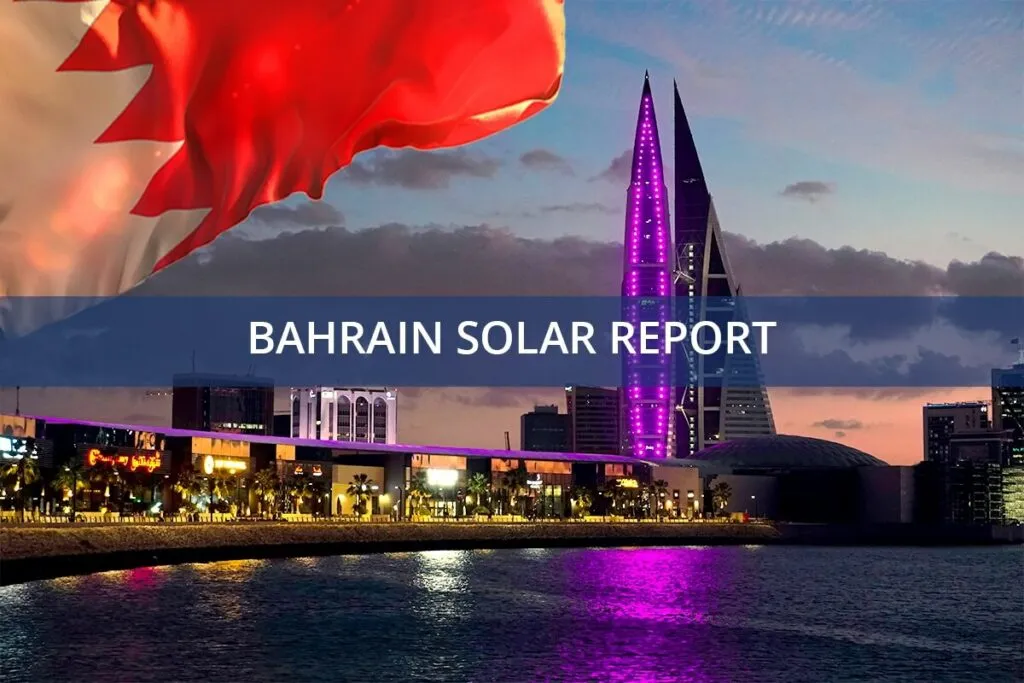
Bahrain is set to operationalize its first utility-scale solar power plant. The facility, with a planned capacity of up to 150 MW, is a cornerstone of the country’s ambitious carbon neutrality goal for 2060.
Carbon Neutrality by 2060: The Role of the Bahrain solar plant
Bahrain’s Ministry of Oil and Environment has announced a major leap forward in its sustainable energy strategy with the kingdom’s first large-scale solar project. This landmark plant is expected to play a significant role in helping the country achieve its carbon neutrality goal by 2060 and aligns with the National Renewable Energy Plan, which targets a 20% share of clean energy by 2035.
The project is being developed under a public-private partnership model with Bahrain’s Electricity & Water Authority (EWA). This collaborative approach, proven successful in many countries, aims to scale up renewable energy capacity and reinforce national energy security. A consortium including KPMG Fakhro, WSP Parsons Brinckerhoff, and Trowers & Hamlins has been appointed to provide advisory services throughout the project’s lifecycle.
Al Dur Bahrain solar plant
Expected to commence commercial operations in the third quarter of 2027, the plant will be located in the southern region of Bahrain near Bilaj Al Jazayer, covering an area of approximately 1.2 square kilometers. The Al Dur Solar Power Plant will be a major component of Bahrain’s efforts to reduce carbon emissions and move toward a more sustainable energy future.
The plant will use the latest solar energy technologies to generate clean, renewable energy, optimizing both output and efficiency. This advanced approach to the solar panel manufacturing process will reduce the country’s reliance on fossil fuels and is projected to lower annual greenhouse gas emissions by more than 100,000 tonnes—enough to power roughly 6,300 homes.
This initiative is part of Bahrain’s broader strategy to diversify its energy mix and reduce its carbon footprint. By investing in renewable energy, the country aims to meet its international climate commitments and support global efforts to combat climate change.
Bahrain’s Commitment to Renewable Energy with the Bahrain solar plant
The inaugural utility-scale solar project is the largest of several planned solar initiatives. The country has set an ambitious target of generating 700 MW of solar energy by 2030 as part of its commitment to achieving net-zero emissions.
This new plant builds upon an existing foundation of smaller but significant installations. As of mid-2023, Bahrain had an installed solar capacity of 57 MW from various sources. The landscape of Bahrain’s renewable energy projects includes the Bapco Solar Project, installations at Dragon City, and even maritime solar projects. Furthermore, the Sustainable Energy Authority (SEA) is overseeing the installation of solar panels on government buildings and public schools to promote clean energy and reduce costs.
In addition to solar power, Bahrain is also exploring other renewable energy sources, such as wind and waste-to-energy projects, to create a diversified and resilient energy sector that can meet the needs of its growing population and economy.
Economic and Environmental Benefits of the Bahrain solar plant
The Al Dur Solar Power Plant is expected to bring significant economic and environmental benefits to Bahrain. By generating clean energy, the plant will help reduce the country’s annual carbon emissions by over 100,000 tonnes and lower its reliance on fossil fuels.
The project is also expected to create jobs in the renewable energy sector, stimulating economic growth and supporting the country’s development goals. This significant investment, which reflects the typical solar panel manufacturing plant cost breakdown, will contribute to Bahrain’s energy security by diversifying its energy mix and reducing its dependence on imported energy.
This stunning 150 MW project launch marks a major milestone in Bahrain’s journey toward a more sustainable and low-carbon future. It demonstrates the country’s commitment to renewable energy and its determination to play a leading role in the global fight against climate change. By investing in solar power, Bahrain is taking a proactive approach to building a more sustainable energy sector for generations to come.
To learn more about the fundamentals of solar energy production, explore our free e-course on solar panel manufacturing.