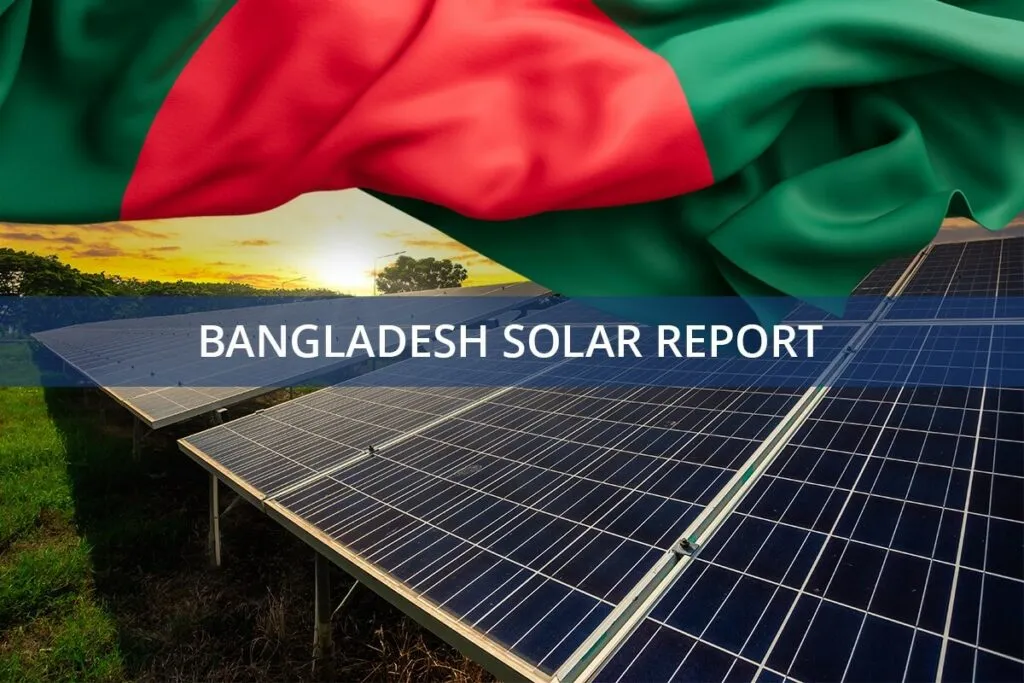
Bangladesh is embarking on a massive renewable energy drive, scaling up its initial plans to install solar panels on government buildings. The project, once focused on 46 buildings in Dhaka, has now expanded into a nationwide initiative targeting approximately 46,854 public and educational institutions, including schools and hospitals. This ambitious undertaking aims to add around 1,454 MW of solar power to the national grid by February 2026, significantly reducing carbon emissions and decreasing the nation’s dependence on conventional power sources.
Dhaka Solar City Project: A Blueprint for National Expansion of the Bangladesh solar panel project
In a significant push towards renewable energy, Bangladesh is leveraging its public infrastructure for solar power generation. The initial phase, known as the Dhaka Solar City Project, is now seen as a foundational component of a much larger national strategy. This Bangladesh solar panel installation: Unique 2024 Initiative aims to reduce carbon emissions by an estimated 5,500 tonnes annually from the Dhaka component alone.
This ambitious project is designed to promote renewable energy across urban centers and decrease reliance on imported fossil fuels, a critical move given declining domestic gas reserves. The Dhaka portion is led by the Dhaka North City Corporation (DNCC) with an initial projected cost of around BDT 2.76 billion.
While the original timeline runs from July 2023 to June 2025, it is now part of a broader, fast-tracked national program. The initial 46 sites in Dhaka include high-profile locations like the Prime Minister’s Office and various key ministries, setting a visible and powerful precedent for the nationwide rollout.
Generating Significant Power for the National Grid via the Bangladesh solar panel project
The expanded goal of this nationwide rooftop solar program is to generate approximately 1,454 megawatts (MW) of clean electricity by early 2026, which will be connected to the national grid. This renewable energy source is anticipated to save the government a significant amount of money annually while making substantial contributions to reducing carbon emissions.
This initiative is a cornerstone of Bangladesh’s strategy to enhance its energy security. To facilitate this, the government is providing support through low-interest financing from Bangladesh Bank and other financial institutions. Furthermore, a recent policy shift now allows private firms to sell renewable power directly to customers, creating a more dynamic and competitive energy market. This complements other large-scale government efforts like the Padma Bridge solar project: 6,033 kWp… – PVknowhow.com.
Beyond government buildings, the broader vision includes the installation of solar-powered streetlights, traffic signals, and water pumps across cities. The project also aims to encourage the use of electric vehicles in Dhaka by installing charging stations in various locations, creating a holistic sustainable urban ecosystem.
Contributing to Climate Goals and Economic Growth with the Bangladesh solar panel project
The national rooftop solar project is a significant step towards achieving the country’s renewable energy goals. The project will not only reduce carbon emissions but also champion the use of clean energy sources in both urban and rural areas.
By installing solar panels on government buildings, the project aims to inspire private organisations to follow suit. This trend is already taking hold, with notable projects like Banglalink’s 1st Solar Data Center: A Powerful… – PVknowhow.com and a major rooftop solar installation : 500kWp Remarkable Project by AKH Fashion showing the private sector’s commitment.
This solar boom is also expected to create thousands of jobs, boosting the country’s economic growth. The demand spans from installation and maintenance to the local solar industry. A deeper understanding of the solar panel manufacturing process and the necessary solar panel raw materials reveals the potential for developing a robust domestic supply chain.
Despite the ambitious targets, challenges such as administrative delays and a need for seamless cooperation from power distribution companies remain. However, with strong governmental backing, the success of this project could pave the way for similar initiatives across Bangladesh, including different models like community solar. As the country continues to invest in renewable energy, it is poised to see significant economic and environmental benefits, marking a major step forward in its efforts to combat climate change and promote sustainable development.
If you’re interested in the technical and business aspects of solar energy, you can deepen your knowledge with our free e-course on solar panel manufacturing.