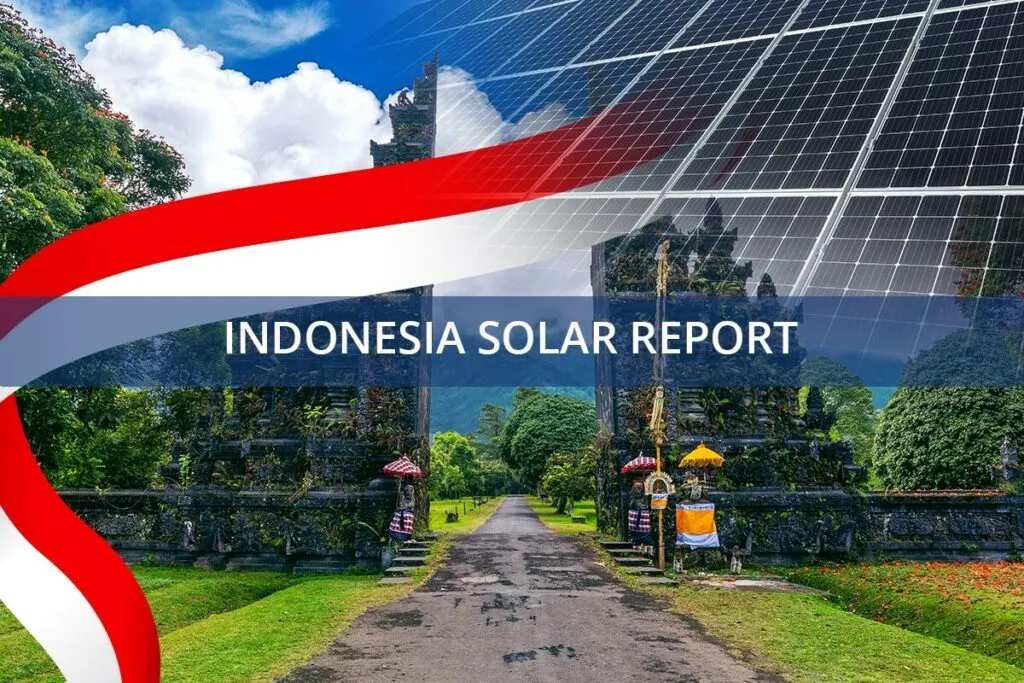
Indonesia is on a determined path to meet its target of generating 23% of its energy from renewable sources by 2025, with the solar power sector poised to play a pivotal role. While solar power currently forms a small fraction of the country’s energy mix, the government is aggressively championing its expansion to reduce reliance on fossil fuels and significantly decrease carbon emissions.
Solar Power’s Growing Role in Indonesia renewable energy target
Solar power is rapidly emerging as a cornerstone of Indonesia’s renewable energy landscape. The archipelago’s abundant sunlight and vast land area create an ideal environment for solar energy development. The government is not just setting targets but actively fostering an ecosystem for solar to thrive, with landmark projects like Indonesia’s 192 MW floating solar plant serving as powerful symbols of this commitment.
A significant leap forward is the recent establishment of the Indonesian Solar Module Manufacturers Association (ISMA). This body is tasked with unifying the domestic solar module industry, aiming for 100% local solar module production by 2025. This strategic initiative, detailed in guides for launching a solar manufacturing division, will slash Indonesia’s dependence on imported components and catalyze the growth of local industries. Understanding the basics of solar panel manufacturing is becoming increasingly crucial for local entrepreneurs. This focus on local production is also creating unique opportunities, such as using solar to displace expensive diesel in remote mining and plantation industries, a strategy perfect for manufacturing solar for island and rural markets.
The development of infrastructure, from understanding the plant cost breakdown to investing in new technologies, is critical. These efforts are not just about meeting targets but about building a self-sufficient and resilient solar industry.
Renewable Energy’s Contribution to Indonesia renewable energy target
Renewable energy is central to Indonesia’s long-term energy strategy. The nation is rich in diverse renewable resources, including geothermal, hydro, wind, and biomass. The government is committed to harnessing this potential to build a secure and sustainable energy future.
Beyond solar, Indonesia is also advancing other green initiatives. For instance, the country is tackling its waste crisis with ambitious waste-to-energy (WTE) projects, which contribute directly to renewable energy goals while promoting ecological sovereignty. This diversified approach ensures a more resilient and robust energy transition.
The renewable energy sector is also a powerful engine for economic development. As the sector expands, it is expected to create thousands of new jobs, stimulate economic growth, and position Indonesia as a leader in the region’s green economy.
Government Initiatives and Policies for Indonesia renewable energy target
The Indonesian government has rolled out a suite of policies to accelerate renewable energy development. These include feed-in tariffs, tax incentives, and subsidies designed to make renewable projects financially attractive. The government is also actively encouraging private investment and facilitating the development of critical energy infrastructure.
These policies are creating a fertile ground for investment, attracting both domestic and international players. The success of these initiatives is evident in major undertakings like an impressive Indonesia solar PV project that secured essential backing from international financial institutions. By fostering a supportive and predictable investment environment, the government is accelerating the transition to clean energy.
Future Prospects for Indonesia renewable energy target
With a clear vision and strong government commitment, Indonesia is well-positioned to achieve its 2025 renewable energy targets. The solar power sector, in particular, will be a driving force in this transition. The country’s abundant natural resources and a large domestic market provide a solid foundation for meeting these goals and even becoming a solar export hub for the ASEAN market.
This short-term goal is a stepping stone towards a more ambitious long-term vision: achieving Net Zero Emissions (NZE) by 2060. Continued investment in the entire value chain, from solar panel raw materials to the final solar panel manufacturing process, will be essential. As Indonesia moves towards a more sustainable energy future, it will not only reduce its own carbon footprint but also make a significant contribution to the global fight against climate change.
Indonesia’s focus on renewable energy is a vital step towards a cleaner, more prosperous future. The concerted efforts of the government, supported by strategic policies and growing investment, are paving the way for the nation to become a true powerhouse in sustainable energy.
If you are interested in the technical and business aspects of building a solar enterprise in this growing market, explore our free e-course on solar panel manufacturing.