1. Introduction: Feasibility Is Not One Single Factor
Many investors exploring a utility-scale solar power plant start by focusing on a single, promising element. They may have access to a large plot of sunny land, identify a high-voltage power line nearby, or have a good relationship with the local permitting authority. While each of these is an important component, evaluating them in isolation is a common and often costly mistake.
This narrow focus is why so many projects fail after significant time and money have already been invested. The reality is that a solar power plant is only feasible when three critical factors—land, grid connection, and permits—are confirmed to work together. A project is not partially feasible if only the land is secured; it is not feasible until all three components are aligned.
2. Land: A Necessary but Not Sufficient Condition
Securing land is often the logical first step in developing a solar power plant. Without a suitable location, there is no project. However, the availability of land is only the beginning of the feasibility assessment, not the end.
Several key questions must be answered:
- Ownership and Control: Is the land title clear and undisputed? Long-term control, through either direct ownership or a long-term lease aligned with the project lifetime, is essential.
- Usability and Access: Is the terrain suitable for construction without excessive civil works? Are there access roads that can support heavy construction traffic?
- Restrictions: Are there land-use restrictions, environmental protections, or cultural heritage constraints that would prevent construction?
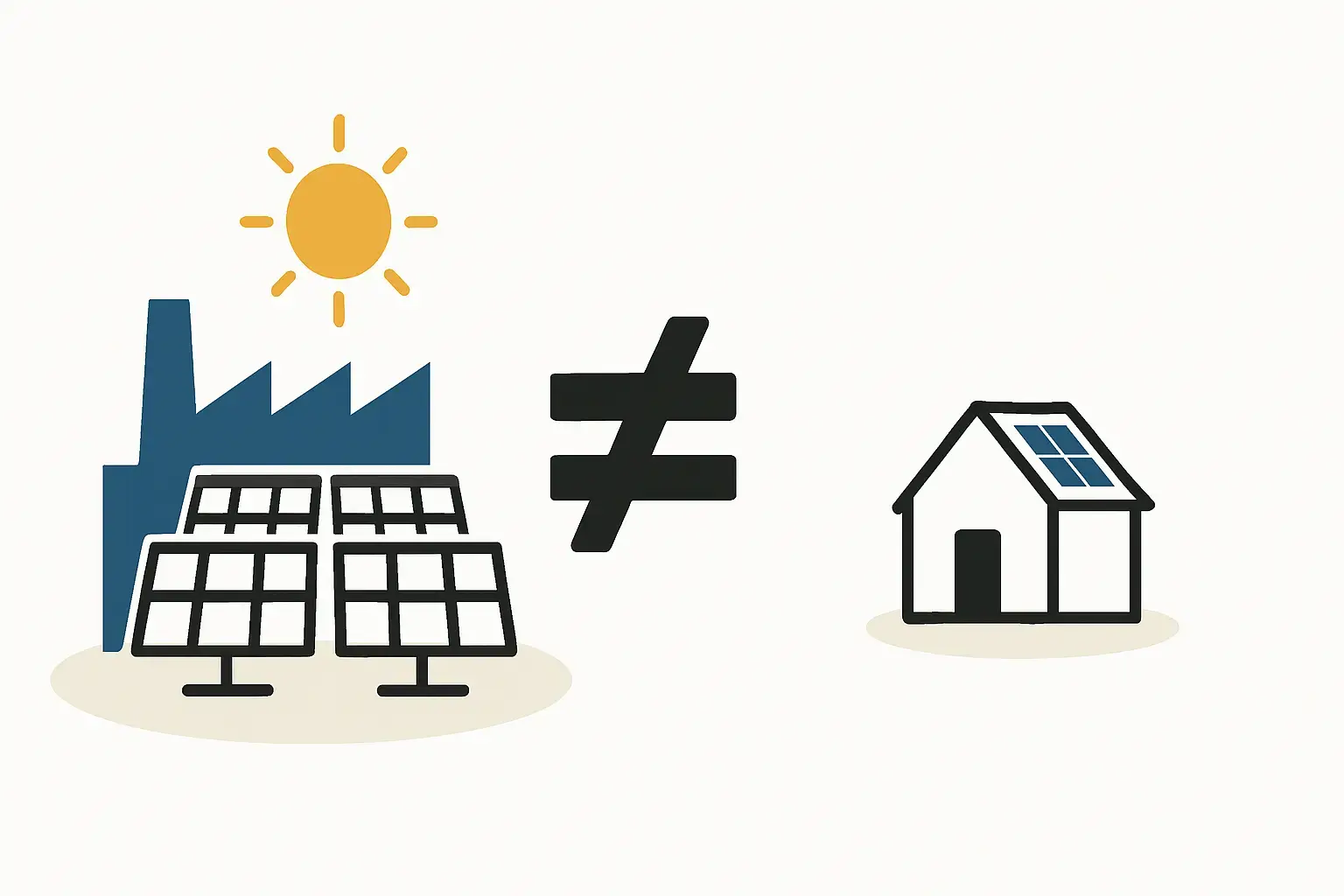
Many investors secure a large parcel of land, believing the most difficult step is complete. In reality, land only provides a location; it does not guarantee buildability or export of electricity. Land is a necessary condition, but on its own, it is not sufficient for a viable project.
3. Grid: The Limiting Reality
One of the most significant technical and financial constraints for a solar power plant is the ability to connect to the electrical grid. A project’s entire business case depends on delivering electricity to the grid, which is only possible with a secured and approved grid connection.
Seeing a power line crossing or running near a site does not guarantee that a connection is possible. The critical factor is available grid capacity—the ability of the existing infrastructure to absorb additional power without violating technical limits.
Key considerations include:
- Available Capacity: The local substation or transmission line may already be operating near its limits. A formal grid study by the grid operator is required to confirm whether additional capacity can be connected.
- Connection Costs: Even if capacity exists, the cost of grid connection—including substations, lines, and protection systems—can be substantial, especially over longer distances.
- Formal Approval: Grid access is not an assumption; it requires a formal technical and commercial agreement with the grid operator. This process can be lengthy and uncertain.
Practical project experience shows that grid constraints are the factor most likely to stop a project entirely. Grid capacity is finite, and in many regions, viable connection points are already reserved. Early and realistic grid clarification is essential to avoid developing projects that cannot deliver power.
4. Permits and Regulation: Time and Uncertainty
Every utility-scale solar power plant requires a series of permits and approvals from local, regional, and national authorities before construction can begin. This regulatory process introduces two major risks: time and uncertainty.
Typical approvals include:
- Building Permits: Authorizations to construct the physical facilities.
- Environmental Impact Assessments (EIA): Reviews to assess potential impacts on ecosystems, water resources, and biodiversity.
- Social and Community Approvals: Consultation and consent processes required by law or regulation to address local community impacts.
Permit timelines are often difficult to predict. Depending on jurisdiction and project complexity, approval processes can take many months or several years. Public opposition, legal challenges, or policy changes can delay or prevent approval. Permit-related risk generally increases with project size and public visibility, which is a key concern for investors and lenders.
5. Why These Three Must Be Aligned
A project’s true feasibility only becomes clear when land, grid, and permits are treated as interconnected elements of a single decision framework. If one element fails, the project fails.
Typical scenarios include:
- Scenario A: The Stranded Asset. Suitable land is secured and permits are obtained, but grid studies confirm that no connection capacity is available. The project cannot proceed, and the land has no viable project use.
- Scenario B: The Environmental Block. Grid capacity is confirmed and land is secured, but the environmental permitting process identifies constraints that prevent approval. The project is stopped.
- Scenario C: The Unresolved Land Issue. Grid approval and permitting progress are achieved, but land ownership or usage rights remain unclear. Financing becomes impossible due to unresolved legal risk.
In each case, positive results in two areas are not sufficient. Without alignment across all three, the project is not viable.
6. The Most Common Feasibility Mistake
The most common feasibility mistake is committing significant capital when only one or two of the three core factors appear positive.
This often happens due to optimism or pressure to demonstrate progress. Investors may begin detailed engineering, early construction works, or equipment procurement before grid access and permits are fully secured.
This approach frequently results in:
- Sunk Costs: Capital spent on projects that cannot proceed and cannot be recovered.
- Long Delays: Projects stalled for extended periods while waiting for grid upgrades or permit outcomes that may never materialize.
- Unfinanceable Projects: Banks and lenders will not finance projects without resolved land rights, confirmed grid access, and key permits in place.
A disciplined approach that confirms alignment before major capital commitments is essential for risk-controlled project development.
7. Strategic Takeaway
Assessing the feasibility of a utility-scale solar power plant requires understanding the specific role of each core factor and their interdependence.
- Land defines where a project could be built, but not whether it can proceed.
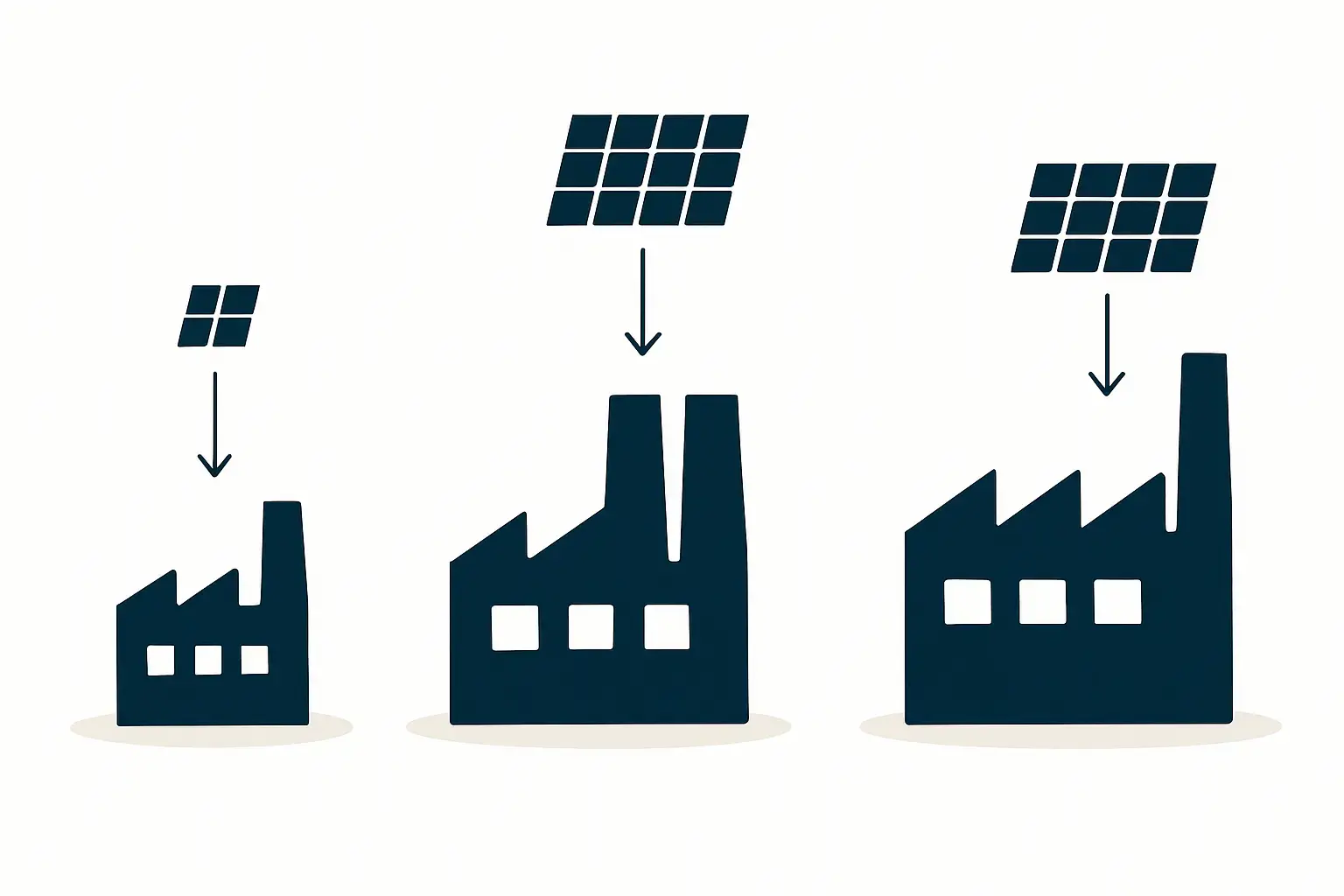
- Grid defines the practical size limit and the ability to export electricity.
- Permits define timing, legal certainty, and regulatory risk.
True feasibility results from alignment, not optimism. A project becomes viable only when buildable land, confirmed grid access, and required permits are secured together.
8. What’s Next?
With feasibility logic established, the next step is to view the project through a financial lens. How do lenders and investors assess these risks? What conditions must be met before a project is considered financeable? The next lesson addresses financing reality and the most common investor mistakes at this stage.