ADB Funds the Kyrgyzstan solar project in Issyk-Kul Province
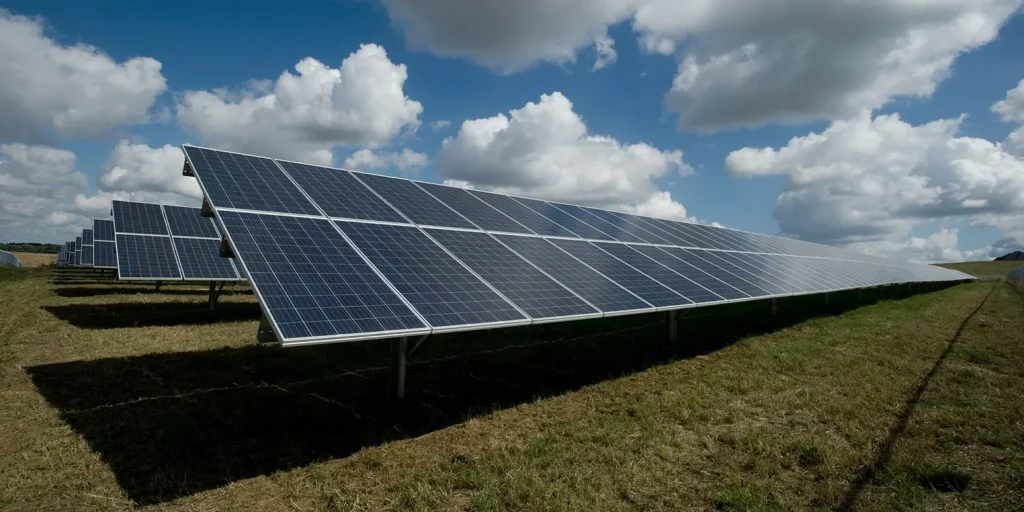
The Kyrgyz Republic is taking a monumental step towards a greener energy future with the Asian Development Bank (ADB) approving a significant financing package for a new 100-megawatt (MW) solar power plant. This landmark project, set to be the country’s largest solar facility to date, will be located in the Karakol district of Issyk-Kul Province, a region blessed with high solar potential.
This development marks a critical move to diversify the nation’s energy mix, reduce its heavy reliance on hydropower, and address growing electricity demand and seasonal power shortages.
Project at a Glance
The project is designed to be a cornerstone of Kyrgyzstan’s renewable energy strategy. Here are the key details:
- Capacity: 100 MW grid-connected solar photovoltaic (PV) power.
- Location: Karakol district, Issyk-Kul Province, near the scenic Lake Issyk-Kul.
- Infrastructure: The project includes the construction of the solar plant and associated transmission infrastructure to connect it seamlessly to the national grid.
- Timeline: Construction is slated to begin in 2025, with the plant expected to be fully operational by 2027.
A Closer Look at the Financing
The total estimated cost of the project is approximately $110 million, made possible through a collaborative funding effort:
- Asian Development Bank (ADB): An $80 million loan from the ADB’s ordinary capital resources forms the bulk of the financing.
- Co-financing: An additional $20 million will be provided by the Japan Fund for Prosperous and Resilient Asia and the Pacific (JFPR).
- Government Contribution: The Kyrgyzstan state budget will contribute $10 million, underscoring the national commitment to the project.
This robust financial backing highlights the international confidence in Kyrgyzstan’s push toward sustainable energy development.
Powering Progress: Objectives and Expected Impact of the Kyrgyzstan solar project
The 100 MW solar project is more than just an energy facility; it’s a strategic investment in the country’s long-term stability and environmental health.
Addressing Energy Challenges
Kyrgyzstan’s electricity demand is growing at an estimated 5% annually. With a grid heavily dependent on hydropower, the country is vulnerable to seasonal water level fluctuations and the impacts of climate change. This solar plant will provide a stable and predictable source of power, helping to mitigate energy shortages and enhance national energy security.
Environmental and Economic Benefits of the Kyrgyzstan solar project
Once operational, the plant is expected to generate approximately 170 gigawatt-hours (GWh) of clean electricity per year. This will offset around 120,000 tons of carbon dioxide emissions annually, directly supporting Kyrgyzstan’s commitments under the Paris Agreement.
On the economic front, the project is projected to create approximately 500 jobs during its construction phase and around 50 permanent positions once it begins operations.
Strategic Location and Technical Safeguards for the Kyrgyzstan solar project
The choice of Issyk-Kul Province is strategic, given its average solar irradiation of 1,800-2,200 kWh/m² per year, making it an ideal location for solar power generation. The plant will be connected to the Karakol substation via a new 110 kV transmission line, ensuring efficient integration into the national power system.
Recognizing the project’s proximity to the Issyk-Kul Biosphere Reserve, the ADB has classified it as a Category B project. This designation ensures that comprehensive environmental safeguards, including detailed biodiversity studies, are implemented to protect the unique local ecosystem.
A Milestone for Kyrgyzstan’s Renewable Energy Goals with this solar project
This project is a critical component of Kyrgyzstan’s national strategy to build a green economy and achieve its target of sourcing 15% of its energy from renewables by 2030. It also aligns with the broader goals of the ADB’s Central Asia Regional Economic Cooperation (CAREC) program, which aims to promote sustainable development and energy security across the region.
By harnessing its abundant solar resources, the Kyrgyz Republic is not only powering its homes and industries but also paving the way for a more resilient, independent, and sustainable energy future. For more detailed information, official documents can be found on the ADB’s projects database and the website of Kyrgyzstan’s Ministry of Energy.