North Macedonia Promotes Installation of North Macedonia solar panels for Energy Surplus
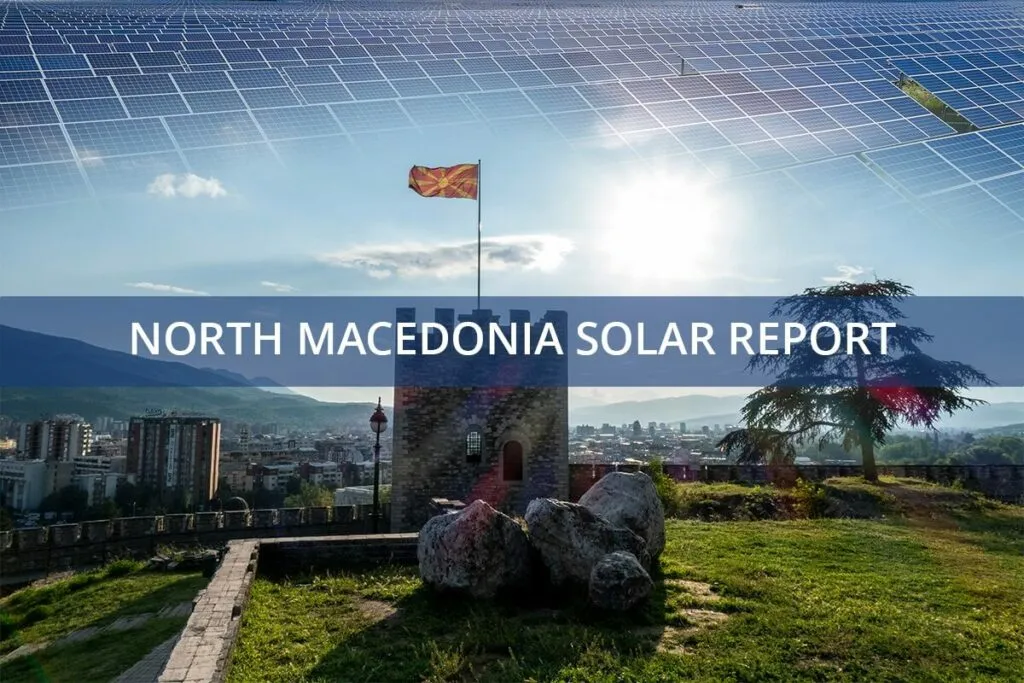
In a significant stride towards energy independence and sustainability, North Macedonia is turning its attention to an often-untapped resource: the rooftops of its citizens. The move to promote household solar panel installation signals a strategic shift, aiming not just to meet domestic energy needs but to create an energy surplus, transforming everyday homeowners into key players in the nation’s green transition. This initiative aligns with a broader global push towards decentralized energy and decarbonization, placing North Macedonia at the forefront of renewable energy adoption in the Balkan region.
The Rise of the ‘Prosumer’ in the Balkans with North Macedonia solar panels
The core of this initiative is the concept of the “prosumer”—an individual who both consumes and produces energy. By equipping households with photovoltaic (PV) systems, the government empowers citizens to generate their own electricity. This model offers a multitude of benefits: it drastically reduces household electricity bills, decreases reliance on centralized power plants, and contributes significantly to lowering the country’s carbon footprint.
As seen in wider global trends, such programs often involve incentives that make the initial investment in solar technology more accessible. While specific details of North Macedonia’s policy are emerging, successful models elsewhere often include subsidies, tax credits, and streamlined grid-connection processes. The ultimate goal is to create a distributed network of small-scale power generators that collectively enhance national energy security.
Regional Momentum and a Shared Green Future with North Macedonia solar panels
North Macedonia’s push for household solar doesn’t exist in a vacuum. It is part of a growing wave of renewable energy projects across Southeast Europe. For instance, neighboring Albania is advancing with significant investments, such as the Tropojë wind park project, which is expected to be completed by 2027. These regional efforts underscore a collective understanding that a sustainable energy future requires a diverse portfolio of renewable sources, from large-scale wind farms to residential solar arrays.
This regional momentum creates a supportive ecosystem for North Macedonia’s ambitions. Shared knowledge, cross-border energy trading, and collaborative grid improvements can accelerate the transition for the entire region, fostering a more integrated and resilient energy market.
Addressing the Grid Stability Challenge for North Macedonia solar panels
A successful transition to a decentralized energy model heavily relies on the robustness of the national power grid. The influx of thousands of small, intermittent energy sources requires a smart, flexible grid capable of managing bidirectional energy flows. For North Macedonia, this is a critical consideration. A grid failure in May 2025, which led to a partial blackout due to overvoltage issues, serves as a timely reminder of the importance of grid modernization.
To fully realize the potential of household solar, investments in grid infrastructure are paramount. This includes upgrading transformers, implementing smart metering technology, and developing advanced energy storage solutions to balance supply and demand. By proactively addressing these technical challenges, North Macedonia can ensure that its grid not only supports but thrives on the contributions of its new solar prosumers.
A Bright Outlook for a Solar-Powered Future in North Macedonia with solar panels
North Macedonia’s initiative to promote household solar panel installation is a forward-thinking policy with the potential to reshape its energy landscape. By empowering its citizens to become active participants in energy generation, the country is building a more democratic, resilient, and sustainable power system. While the path requires significant investment in grid infrastructure and clear policy frameworks, the long-term benefits—from economic savings for families to enhanced national energy security—are undeniable. This bold step positions North Macedonia as a key player in the global movement towards a net-zero future.