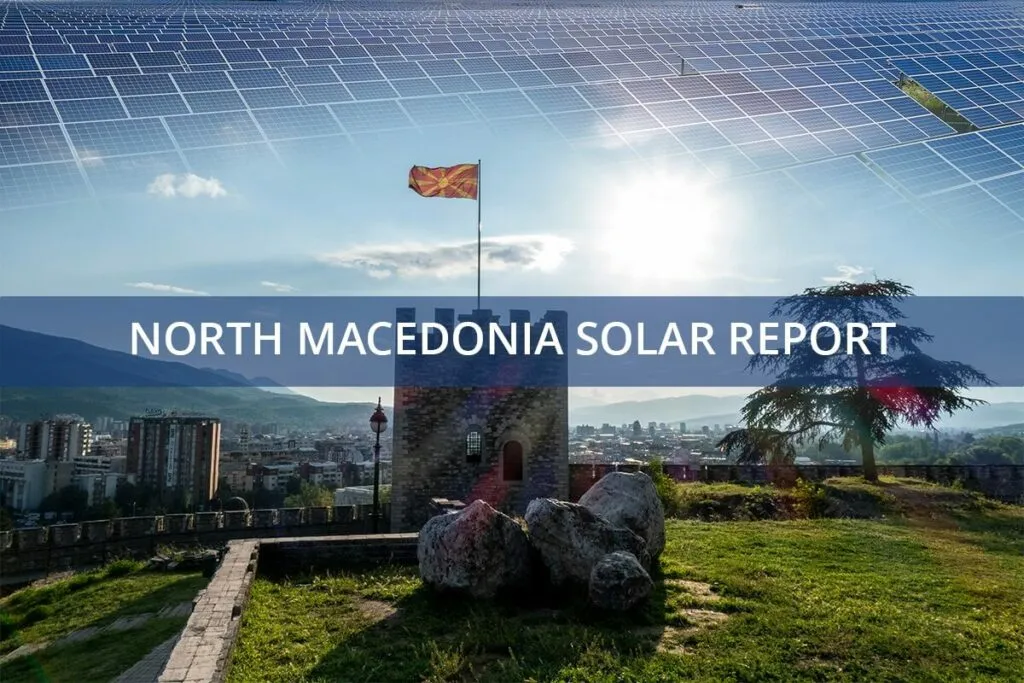
North Macedonia Encourages Rooftop Solar After 2025 Grid Failure
A major power outage can be a stark reminder of a centralized grid’s vulnerability. When the lights go out, life grinds to a halt. It is often in the wake of such events that governments and citizens alike look for more resilient, independent, and sustainable energy solutions. The increasing global focus on decentralized power, particularly rooftop solar, highlights a significant shift in how we think about energy security.
While specific details about a 2025 grid failure in North Macedonia are emerging, the incident underscores a much broader international trend: countries are aggressively turning to rooftop solar to bolster energy independence and grid stability.
The Global Pivot to Decentralized Energy with North Macedonia solar
The reliability of national power grids is a growing concern worldwide. Aging infrastructure, coupled with increasing demand and the challenges of integrating large-scale renewable projects, can create points of failure. In response, a powerful movement towards distributed energy resources—where power is generated closer to the point of consumption—is gaining momentum.
This shift isn’t just about preventing blackouts; it’s about building a more flexible and robust energy system for the future. Rooftop solar photovoltaic (PV) systems are at the forefront of this transformation, empowering homes, businesses, and entire communities to become active participants in the energy landscape.
Rooftop Solar: A Worldwide Solution for Grid Resilience in North Macedonia
Across the globe, recent developments highlight how rooftop solar is being embraced as a critical tool for energy security.
In regions like the Middle East and Africa, persistent grid instability has directly fueled demand for rooftop PV installations. The market for solar hybrid inverters, which allow for energy storage and backup power, is growing rapidly as consumers seek reliable electricity that the central grid cannot always guarantee. Government incentives and net-metering policies in Gulf Cooperation Council (GCC) countries are further accelerating this adoption.
The trend extends to industrial and commercial sectors. In Vietnam, for instance, rooftop solar capacity in industrial parks had already surpassed 3,200 MWp by 2025. This move is driven by a strategic push to ensure stable power for manufacturing and to meet ambitious green energy targets.
Policy and Investment as Key Drivers for North Macedonia solar
Proactive government policy is proving essential in scaling up this transition. India’s 2026 budget, for example, has allocated significant capital towards a rooftop solar scheme aimed at equipping one crore (10 million) households with solar panels. This massive public investment signals a clear commitment to decentralizing power generation and reducing reliance on the traditional grid.
Similarly, a late-2025 policy shift in China refocused support for distributed solar PV towards smaller-scale systems. This move is designed to encourage widespread adoption among households and small businesses, creating a more distributed and resilient energy network from the ground up.
As nations confront the realities of modern energy demands and grid limitations, the case for rooftop solar becomes undeniable. It offers a direct path to enhanced energy security, lower electricity costs, and a reduced carbon footprint. The events that spur this adoption may vary, but the destination is increasingly clear: a future powered by clean, reliable, and decentralized energy.