Jamaica’s Essex Valley Project: A Model for the Jamaica solar power project
In a significant stride towards agricultural sustainability and climate resilience, Jamaica has unveiled a state-of-the-art agro-processing facility in St. Elizabeth, powered by new solar energy systems. This development is a cornerstone of the Essex Valley Agricultural Development Project, a transformative initiative aimed at bolstering the nation’s food security and empowering local farmers in the face of increasing climate-related challenges.
Harnessing Renewable Energy with the Jamaica solar power project
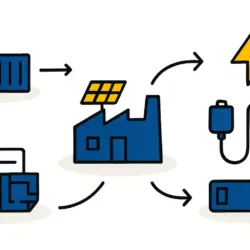
At the heart of this initiative is the integration of advanced solar power systems. This clean energy source is now powering the project’s extensive irrigation network and its associated facilities. For a region known as Jamaica’s “breadbasket,” a reliable water supply is critical. By using solar power, the project not only reduces its carbon footprint but also ensures a more stable and cost-effective energy source for irrigation, a crucial advantage during periods of drought or in the aftermath of severe weather events that can disrupt traditional power grids.
This strategic shift to renewable energy is a direct response to the vulnerabilities posed by climate change, providing a sustainable model for agricultural operations across the Caribbean.
A Comprehensive Boost from the Jamaica solar power project
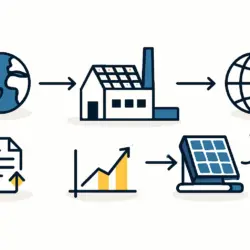
The solar installation is part of a much broader enhancement of the region’s agricultural infrastructure. The Essex Valley project, made possible through a J$7.6 billion investment from the United Kingdom Caribbean Infrastructure Fund (UKCIF), has delivered a suite of critical upgrades. Implemented by the Caribbean Development Bank (CDB) and the Government of Jamaica, the project’s key achievements include:
- Expanded Irrigation: Bringing a consistent water supply to 810 hectares of farmland.
- Improved Infrastructure: Upgrading 62 kilometers of agricultural roads to improve access for farmers to get their produce to market.
- Modern Processing Facilities: Opening a new agro-processing facility and administrative building, allowing for efficient storage, processing, and marketing of crops.
- Enhanced Food Safety: Establishing 30 food safety and sanitation areas to ensure produce meets high-quality handling standards.
Together, these components create a robust ecosystem that supports farmers from field to market, enhancing productivity and strengthening the entire agricultural value chain.
A Partnership for the Jamaica solar power project
The successful launch of this facility highlights the power of international collaboration in tackling global challenges. The project is a key part of the wider J$74.68 billion UKCIF program, which is dedicated to funding climate-resilient infrastructure across the Caribbean. The opening ceremony, attended by Jamaican Prime Minister Dr. Andrew Holness and representatives from the UK and the CDB, underscored the shared commitment to fostering sustainable development in the region.
By integrating solar power into its core infrastructure, the Essex Valley Agricultural Development Project is not just upgrading facilities; it is planting the seeds for a more resilient and prosperous future for Jamaica’s farmers and ensuring the nation’s “breadbasket” can continue to thrive for generations to come.