Argentina’s Green Ambitions and the Red Light: Constraints in Argentina renewable energy infrastructure Stall Renewable Energy Expansion
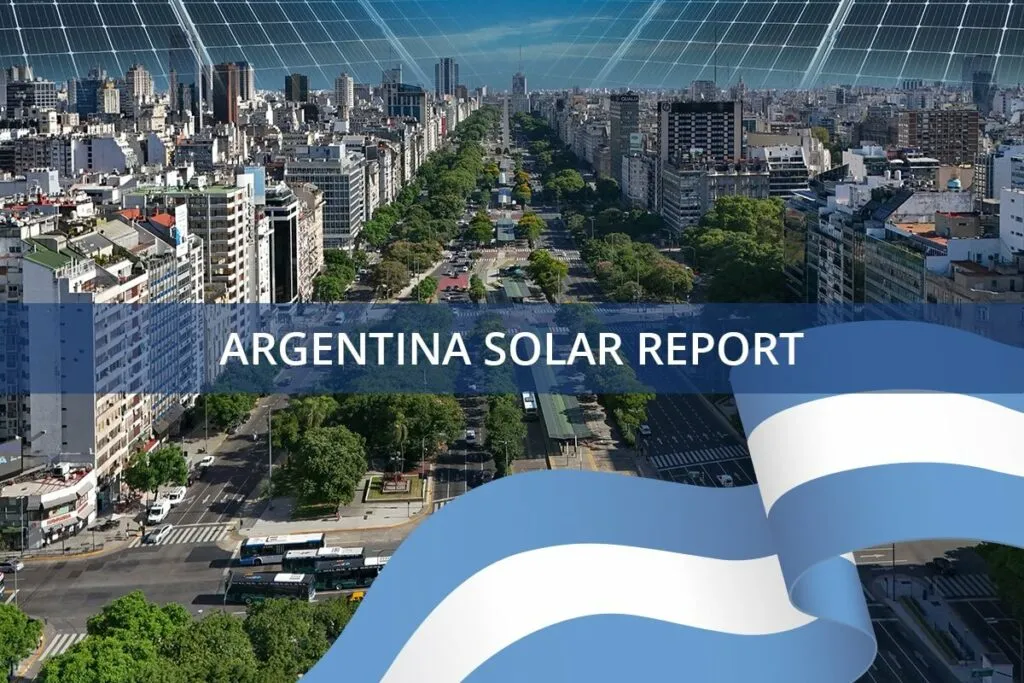
Argentina is poised to harness its vast renewable energy potential, with developers eagerly lining up to build new wind and solar projects. However, a critical roadblock is preventing this green transition from accelerating: the country’s aging and saturated electrical grid. The gap between generation potential and transmission capacity has become a major bottleneck, threatening to stall the nation’s clean energy goals.
The MATER Market Bottleneck in Argentina renewable energy infrastructure
The stark reality of this challenge is on full display in Argentina’s Renewable Energy Term Market (MATER), the mechanism for private power purchase agreements. In a recent bidding round, the wholesale electricity market administrator, CAMMESA, received project bids totaling over 550 MW. Yet, due to severe technical limitations in key transmission corridors, only a fraction of that—a mere 50 MW—has the full grid evacuation capacity needed to move forward.
This discrepancy highlights a frustrating paradox: while developer interest is robust, the physical infrastructure to support it is lagging. The latest MATER round saw eight applications, with five being solar projects all competing for extremely limited space on the grid. This intense competition for scarce transmission access effectively caps the growth of renewables, regardless of how many projects are proposed.
Industry Seeks Solutions for Argentina renewable energy infrastructure Amid Structural Shifts
The urgency of this issue has not gone unnoticed by industry leaders. These infrastructure constraints are set to be a central topic of discussion at the upcoming FES Argentina 2026 event, scheduled for March 4–5 in Buenos Aires. The conference will bring together executives, investors, and government authorities to dissect the challenges and explore viable solutions. Key conversations will revolve around necessary investments, emerging technologies, and the market prospects for renewables as the country navigates significant structural shifts in its power sector.
A Path Forward for Argentina renewable energy infrastructure: Lessons from a Neighbor
Argentina doesn’t have to look far for inspiration on how to tackle these grid-related hurdles. Neighboring Chile, which has faced similar challenges of connecting remote renewable generation centers with urban demand hubs, is taking decisive action. The development of the Kimal–Lo Aguirre project, a new 3 GW high-voltage direct current (HVDC) transmission line, is a prime example. This major infrastructure investment is designed specifically to evacuate large-scale renewable energy from the country’s north to its primary consumption centers, unlocking Chile’s solar potential.
For Argentina, such a strategic investment in modernizing and expanding its transmission network is not just an option, but a necessity. Without a robust and flexible grid, the country’s abundant wind and solar resources will remain largely untapped. Bridging the gap between generation ambitions and transmission reality is the critical next step for Argentina to secure a sustainable and energy-independent future.