A Landmark Initiative: The Nigeria solar panel factory
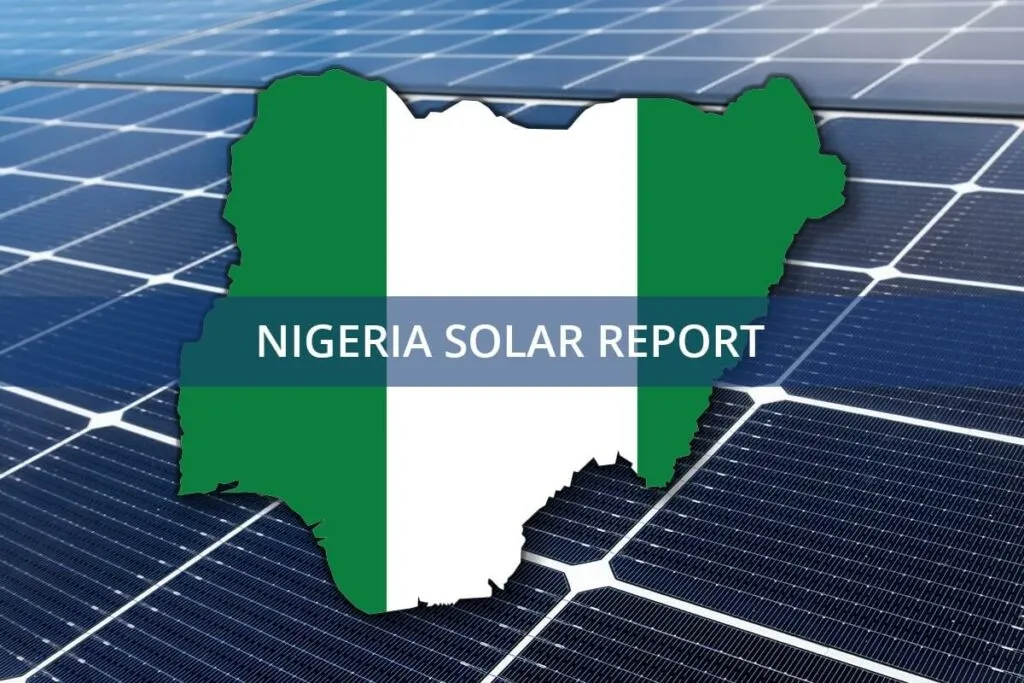
In a significant move to bolster its energy independence and manufacturing capabilities, Nigeria has announced plans for a 1 GW solar panel factory. This ambitious project is set to become the largest of its kind in West Africa, positioning the nation as a key player in the continent’s burgeoning renewable energy sector.
The primary goal of this initiative is to build local manufacturing capacity, thereby reducing the country’s heavy reliance on imported solar equipment. By producing panels domestically, Nigeria aims to create a more resilient and self-sufficient green energy supply chain, fostering economic growth and accelerating its transition to clean power.
Riding the Wave with the Nigeria solar panel factory
Nigeria’s plan is perfectly timed, aligning with a massive surge in solar energy adoption across the African continent. In 2025 alone, Africa’s installed solar capacity expanded by a remarkable 17%. This growth is fueled by a confluence of factors, including rising demand for reliable alternatives to unstable national grids and expensive diesel generators.
Nigeria has rapidly emerged as a key market, becoming Africa’s second-largest solar importer, surpassing even Egypt. This spike in demand has been significantly aided by the government’s gradual removal of diesel subsidies, which has made solar power a far more economically viable option for countless businesses and households seeking stable and affordable electricity.
Building a Self-Sufficient Green Economy with Nigeria solar panel factory
This strategic shift towards local production is not unique to Nigeria. Similar manufacturing facilities are already under construction in other African nations like Egypt, South Africa, and Ethiopia, signaling a continent-wide ambition to control the green energy value chain. By seeking technology transfers, African countries are working to strengthen their industrial base for a sustainable future.
The economic implications are profound. The establishment of a 1 GW factory will not only create manufacturing jobs but also stimulate a wider jobs boom across the solar services sector. This includes roles in installation, maintenance, distribution, and financing, supporting the growth of thousands of small and medium-sized enterprises.
This industrial strategy supports a clear trend in energy generation. At least 23 countries across Africa, including Kenya, Tunisia, and South Africa, now generate over 5% of their total electricity from solar power, a testament to the technology’s growing importance.
Looking Ahead to the Nigeria solar panel factory
While the announcement marks a pivotal moment for Nigeria’s energy policy, further details regarding the project’s specific timeline, location, and investment partners are expected to be released.
Nonetheless, the plan for a 1 GW solar panel factory is a bold statement of intent. If realized, this facility will not only transform Nigeria’s energy landscape but will also solidify its leadership role in driving West Africa’s clean energy transition, powering a brighter, more sustainable future for the entire region.