South Sudan’s Nesitu South Sudan Solar Project
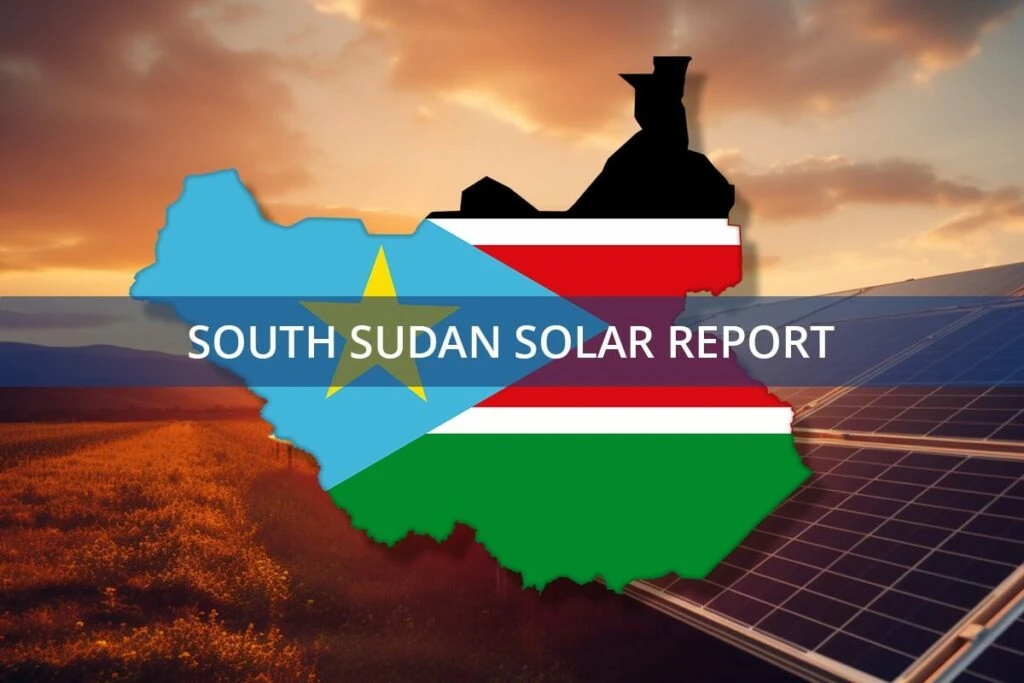
A new dawn for energy is on the horizon in South Sudan with the impending launch of the Nesitu Solar Project. This significant government-led initiative, located just outside the capital city of Juba, represents a critical step forward in addressing the nation’s long-standing electricity challenges and harnessing its vast renewable energy potential.
A Landmark Initiative: The South Sudan Solar Project
The Nesitu project is a 20-megawatt (MW) solar power facility complemented by a 35 MW battery storage system. This combination is designed to provide a stable and reliable source of clean energy. Initiated in 2019, the construction is being carried out by the Egyptian contractor Elsuadi, with operations slated to be managed by Trinity Company.
Progress on the site has been steady, drawing high-level government attention. Recently, South Sudan’s Minister of Energy and Dams, Agok Makur Kur, led a delegation of ministry officials to inspect the facility. The visit aimed to assess the technical readiness, operational planning, and overall progress ahead of its scheduled commissioning in June. Officials have expressed confidence that the project is on track to meet this important deadline.
Powering Progress and Expanding Access with the South Sudan Solar Project
The impact of the Nesitu Solar Project is expected to be transformative for Juba and its surrounding areas. For a nation where the vast majority of its 12 million citizens lack a connection to the electricity grid, this project is a beacon of hope. Even in the capital, power supply is often unreliable and insufficient.
By generating 20 MW of clean electricity, the facility will directly combat these issues. The primary goals are to:
* Lower Electricity Prices: Transitioning from expensive diesel generators to solar power is expected to significantly reduce the cost of electricity for consumers.
* Expand Energy Access: The project will extend power to households, businesses, and essential institutions in areas that have long suffered from chronic energy shortages.
* Improve Reliability: The integrated 35 MW battery storage system will ensure a more consistent power supply, mitigating the intermittency often associated with solar energy.
A Strategic Shift: National Energy Policy and the South Sudan Solar Project
The Nesitu Solar Project is a cornerstone of the South Sudanese government’s broader strategy to diversify its energy mix. By leveraging the country’s high solar potential, the government aims to reduce its dependence on costly imported diesel fuel, enhance energy security, and promote sustainable development. This project is one of several renewable energy initiatives, supported by both the government and international partners, designed to tackle the nation’s severe power deficit.
As construction nears completion, the Nesitu solar facility stands as a powerful symbol of progress and a brighter, more electrified future for the people of South Sudan.