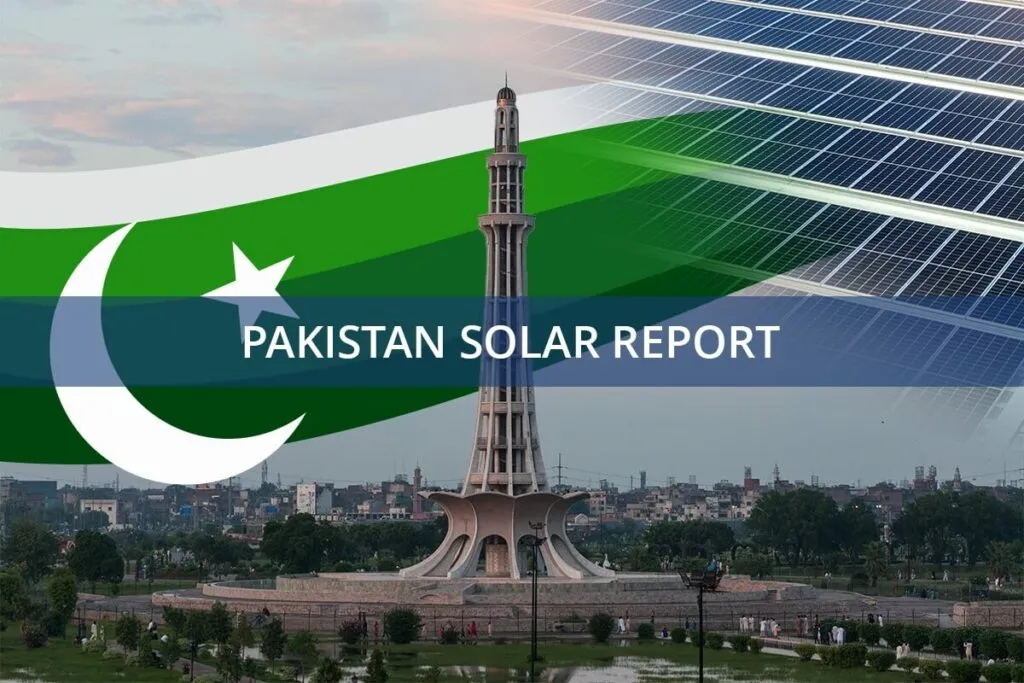
Net-Billing and Distributed Solar Key to Pakistan solar energy Transition
Pakistan is at a pivotal moment in its journey toward a sustainable energy future. A recent and intensely debated policy shift from net-metering to net-billing for rooftop solar users has placed the spotlight firmly on the role of distributed solar generation. While some view this change as a step back, a closer look reveals it as a crucial, albeit challenging, recalibration designed to steer the nation’s energy transition towards greater grid stability and self-sufficiency.
The Policy Shift: Understanding Net-Billing vs. Net-Metering in Pakistan solar energy
For years, Pakistan’s rooftop solar boom was fueled by a favorable net-metering policy. This system allowed homeowners and businesses to export their surplus solar energy to the national grid and receive credits equivalent to the retail price of electricity. This one-to-one offset made solar installations highly attractive, especially after the mid-2010s when solar power generation achieved grid parity, meaning its cost became competitive with grid electricity prices.
The new net-billing framework fundamentally changes this financial equation. Under this system, the compensation for excess electricity exported to the grid is decoupled from the retail price. Solar users will now sell their surplus power at a significantly lower wholesale or buyback rate (potentially around Rs 11 per unit), while continuing to purchase electricity from the grid at the much higher retail tariff (Rs 50–70 per unit).
This move has understandably triggered backlash, with critics arguing it disincentivizes investment in renewable energy. However, proponents see it as a necessary measure to create a more sustainable and equitable system that doesn’t overly subsidize solar exports at the expense of the wider grid infrastructure.
The Enduring Importance of Distributed Pakistan solar energy
Despite the reduced export incentive, distributed solar remains a cornerstone of Pakistan’s energy strategy. By encouraging decentralized power generation, rooftop solar helps alleviate pressure on the centralized grid, reduces transmission losses, and builds a more resilient energy network.
The shift to net-billing aims to address systemic challenges within the power sector, most notably the burden of capacity payments. These are fees paid to power plants for their availability, regardless of whether they generate electricity, and they constitute the largest financial strain on the sector. Distributed solar, by its nature, promotes self-consumption and lessens reliance on large-scale power plants, thereby indirectly tackling this long-standing issue. Encouragingly, data suggests these capacity payments are projected to decline from 2027 onward, which could create more fiscal space to support renewable initiatives.
The Dawn of Hybrid Systems and Energy Storage in Pakistan solar energy
The most significant consequence of the net-billing policy will be the accelerated adoption of hybrid energy systems. With the financial logic of “selling cheap and buying expensive” now in place, the priority for solar users shifts from exporting power to maximizing self-consumption.
This makes battery storage not just an option, but a near necessity. Hybrid systems, which combine solar panels with batteries and a grid connection, allow users to store excess energy generated during the day for use during evening peak hours or grid outages.
The economic case for batteries becomes compelling under net-billing. Studies suggest that battery adoption is competitive when buyback rates fall below Rs 30 per unit. With proposed rates far lower than this threshold, investing in storage to avoid selling electricity for a pittance becomes the most logical financial decision for solar owners. While a fully off-grid solution may still be several years away for most, the hybrid model represents the immediate future of distributed solar in Pakistan.
Navigating the Path Forward for Pakistan solar energy
The transition is not without its challenges. The policy debate itself creates market uncertainty, and external factors like currency volatility can impact the cost of solar components and delay overall tariff stabilization.
However, the long-term outlook remains promising. By recalibrating its solar policy, Pakistan is encouraging a more mature and sustainable model of distributed generation. The focus on self-reliance and energy storage will not only empower individual consumers but also contribute to a more stable and efficient national grid. As capacity payments are projected to bottom out by 2030, a more stable macroeconomic environment could unlock the full potential of this new renewable energy chapter.
Ultimately, the move to net-billing is a strategic pivot. It balances the need to continue growing distributed solar with the urgent requirement to ensure the long-term financial health of the country’s power sector, marking a critical step in Pakistan’s ambitious energy transition.