Boosting Nigeria solar manufacturing with the LONGi Deal
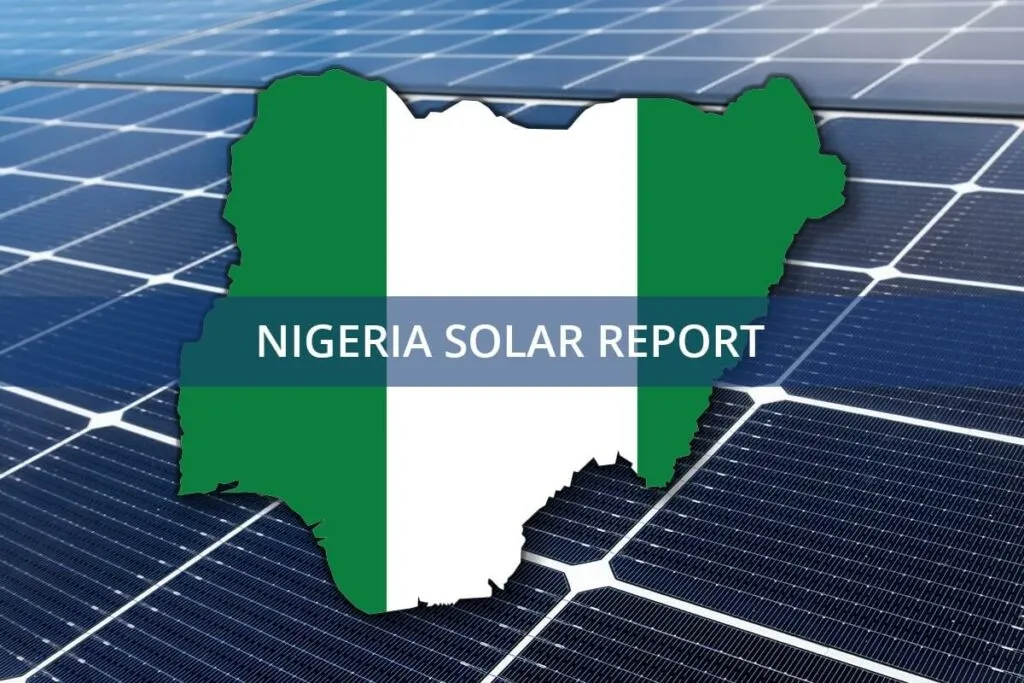
Nigeria’s renewable energy landscape is set for a monumental shift following a landmark agreement with LONGi, the world’s largest solar panel manufacturer. In a strategic move to bolster domestic production and tackle its long-standing energy deficit, the Nigerian government has partnered with the global solar giant to establish a state-of-the-art solar panel factory within the country.
A Landmark Partnership for Nigeria solar manufacturing Energy Independence
In October 2025, the Federal Government, through the Energy Commission of Nigeria (ECN), formalized a deal to build a 1,000-megawatt solar panel production facility. This partnership represents one of the most significant investments in Nigeria’s local manufacturing capacity for renewable energy technology. The primary goal of the factory is to meet the rapidly growing domestic demand for solar components, thereby reducing reliance on imports and fostering a self-sufficient energy ecosystem.
This initiative is a critical component of Nigeria’s broader strategy to address its severe electricity shortage. With a population exceeding 200 million, the nation’s power generation often fluctuates between a mere 2,000 and 5,000 megawatts, highlighting the urgent need for alternative and reliable energy sources. The LONGi deal is the latest in a series of collaborations aimed at building indigenous capacity, following a September 2024 partnership with Huawei to establish a solar photovoltaic facility and a $150 million agreement with Chinese investors for battery manufacturing in December 2023.
The Debate on Fostering Local Nigeria solar manufacturing Industry
The push for local manufacturing has been accompanied by robust policy discussions. To protect and stimulate the nascent domestic industry, the Minister of Science and Technology, Uche Nnaji, announced a proposed plan to ban the importation of solar panels. The government’s rationale is that such a measure will create a captive market for locally produced goods, encouraging further investment and growth in the sector.
However, this protectionist approach has drawn criticism from some industry experts. During the 2025 Lagos Energy Summit, energy analyst Theophilus Nweke voiced concerns over the practicality of an outright import ban. He argued that the focus should instead be on strengthening governance, creating a favorable business environment, and promoting private-sector-led growth. According to Nweke, fostering a competitive market through sound policy is more sustainable than imposing trade restrictions that could stifle innovation and limit consumer choice.
The Path Forward for Nigeria solar manufacturing
The establishment of the 1,000 MW LONGi factory is an undeniable milestone for Nigeria. It promises to create jobs, facilitate technology transfer, and significantly increase the availability of solar panels for residential, commercial, and industrial use across the nation.
As the project moves forward, the ongoing debate between protectionist policies and open-market principles will be crucial in shaping the future of Nigeria’s solar industry. Striking the right balance will be key to ensuring that this manufacturing boost translates into sustainable, long-term energy security and economic development for the country.