Pakistan’s Solar Surge: 25% of Daytime Power from Solar in Major Cities
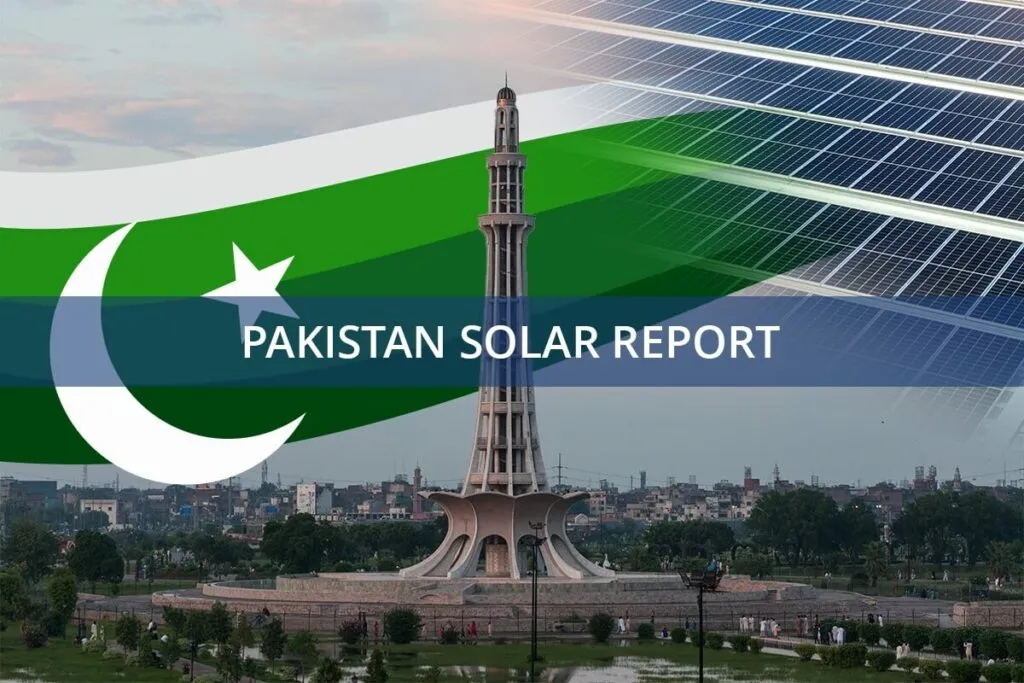
A remarkable energy transition is unfolding across Pakistan’s urban landscape. In a significant milestone for renewable energy, solar power now accounts for an impressive 25% of the electricity supply during daylight hours in major cities like Karachi. This surge is not the result of sweeping government mandates or large-scale subsidy programs, but rather a grassroots movement driven by the rapid adoption of rooftop solar systems by residents and businesses.
The Quiet Revolution of Pakistan solar power
At the heart of this transformation is the rise of distributed solar power. This decentralized approach, where electricity is generated at the point of consumption, is fundamentally reshaping Pakistan’s energy dynamics. The rapid adoption rate has been so pronounced that solar has quickly become the top source of electricity in key urban centers during peak sunlight hours.
This shift highlights a powerful pivot toward renewables, spurred by individual initiative rather than top-down policy alone. The move is not just an environmental statement; it’s a practical response to the country’s energy needs and regional pressures, demonstrating a viable path toward greater energy independence.
Outpacing the Grid: A Glimpse into the Future
The growth has been so swift that it is beginning to challenge the capacity of traditional power infrastructure. According to recent projections, the output from Pakistan’s rooftop solar systems is on track to exceed the entire daytime demand of the grid in major cities [1].
Ready to make big Profits?
The solar Industry is Booming
WE HELP NEWCOMERS to the solar industry start their own solar module production line. Customers can make BIG PROFITS by selling modules and finding investors, without wasting money and time on things they don't need!
While no specific timeline has been set for this tipping point, the trajectory is clear. During peak sunlight hours, it is conceivable that these distributed solar installations will generate more power than the city’s grid requires at that moment. This presents both a profound opportunity and a significant challenge. On one hand, it signals a future of abundant, clean energy. On the other, it places immense pressure on an electrical grid that was designed for a one-way flow of power from centralized plants to consumers, not for managing a massive influx of variable energy from countless individual sources.
Navigating the Road Ahead
Pakistan’s solar surge is a testament to the power of distributed generation. The achievement of meeting 25% of daytime urban power needs with solar is a landmark event. As the nation moves toward a future where rooftop solar could potentially outproduce the grid during the day, the focus must shift to modernizing infrastructure, developing energy storage solutions, and creating smart grid systems that can manage this new energy paradigm.
This organic, citizen-led energy revolution positions Pakistan as a fascinating case study in the global transition to renewable energy. The challenges are real, but the momentum is undeniable.