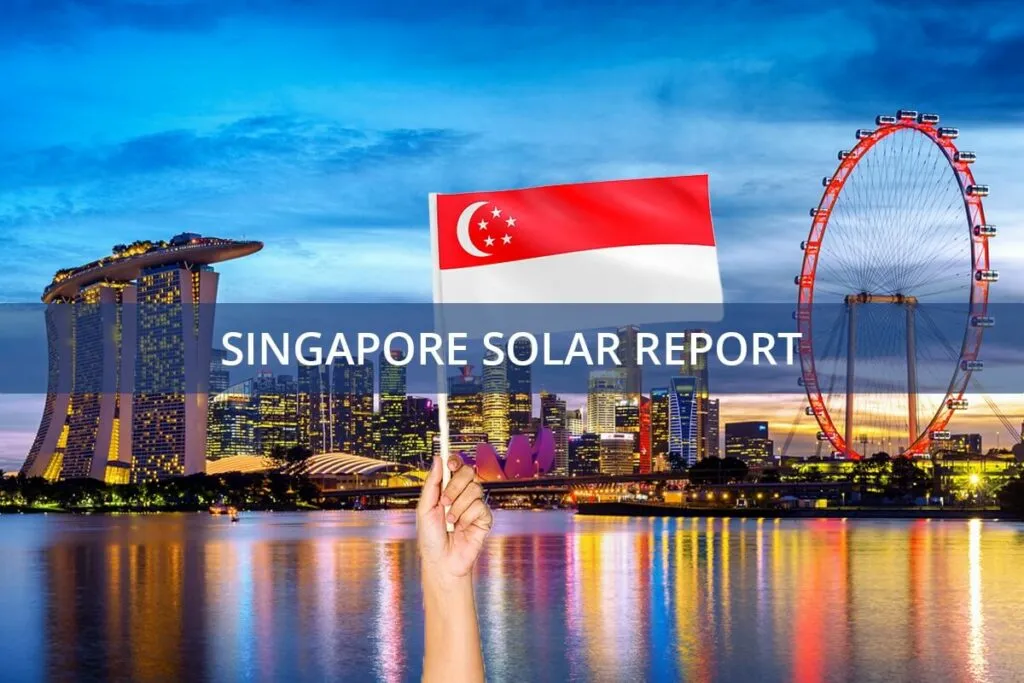
Singapore Boosts Solar Target to 3 GWp by 2030 Amidst Renewables Push
In a significant acceleration of its green energy ambitions, Singapore has raised its national solar deployment target to 3 gigawatt-peak (GWp) by 2030. This move signals the nation’s growing confidence in solar power as a key pillar of its strategy to achieve net-zero emissions and enhance energy security.
The decision, driven by early successes in solar adoption across the island, underscores a firm commitment to harnessing its most viable renewable energy resource.
Achieving the Singapore Solar Target: A More Ambitious Path Forward
The updated target was highlighted by Minister of State for Trade and Industry, Gan Siow Huang, who noted the country’s encouraging progress in solar photovoltaic (PV) installations. To further catalyze this growth, the government is proposing new grants designed to accelerate both solar deployment and the adoption of energy-efficient technologies.
This proactive government support is crucial for a land-scarce nation like Singapore, where innovative solutions like rooftop and floating solar farms are essential to maximizing renewable energy generation. The new 3 GWp goal reflects a strategic pivot to capitalize on the momentum already built within the public and private sectors.
Ready to make big Profits?
The solar Industry is Booming
WE HELP NEWCOMERS to the solar industry start their own solar module production line. Customers can make BIG PROFITS by selling modules and finding investors, without wasting money and time on things they don't need!
Private Sector Paving the Way for Singapore Solar Target Success
The government’s call for increased solar adoption is being answered by forward-thinking companies. Minister Gan’s announcement was fittingly made at the opening of the Katoen Natie Jurong Logistics Terminal 5 (JLT5), a facility that exemplifies corporate leadership in sustainability.
Katoen Natie has been a pioneer in this space, having started its solar installation journey back in 2014. Today, all its logistics terminals in Singapore are fully solar-powered. The company generates over 10 GWh of clean energy annually—enough to power more than 2,400 three-room HDB flats. Demonstrating the potential for industrial facilities to become power generators, Katoen Natie was also the first company on Jurong Island to export its surplus solar energy back to the national grid.
By encouraging more businesses to follow this example, Singapore aims to create a powerful synergy between economic activity and environmental responsibility.
Securing a Sustainable Future with the Singapore Solar Target
While Singapore continues to explore other low-carbon alternatives, including energy imports from regional partners, solar power remains the cornerstone of its domestic renewable energy strategy. The ambitious new target of 3 GWp by 2030 is more than just a number; it’s a clear statement of intent. It represents a determined step towards reducing carbon emissions, strengthening energy resilience, and building a sustainable future for the nation.