
A factory manager arrives in the morning to find a large portion of the night shift’s solar modules quarantined by quality control. Production is halted pending an investigation. The cause? A minor calibration drift in a key machine—a detail the evening shift operator noticed but failed to communicate to his replacement during a rushed handover.
This scenario is more common than many realize. In the petrochemical industry, for example, research links up to 30% of incidents in high-risk environments to failures during shift handovers. While solar module manufacturing may seem less hazardous, the principles of operational continuity and the financial risks of downtime are universal. A weak link between shifts can quietly undermine an entire factory’s performance.
Understanding the critical components of a structured shift handover protocol transforms it from a routine task into a strategic tool for ensuring safety, quality, and uninterrupted production.
Why a Simple Handover is a High-Stakes Process
A shift handover is the formal process of transferring control and responsibility for a work area from an outgoing shift to an incoming one. It’s far more than a simple greeting—it’s a critical transfer of information that directly impacts operational stability.
The consequences of a poorly managed handover extend beyond minor inconveniences. An industrial psychology report found poor communication to be the root cause of over 60% of manufacturing errors. In a production environment, this can lead to:
- Increased Downtime: Small, unresolved issues can escalate into major equipment failures.
- Reduced Quality: Inconsistent machine settings or missed quality alerts lead to higher defect rates.
- Safety Risks: Uncommunicated hazards or equipment malfunctions endanger the incoming team.
- Lowered Morale: Teams that feel unprepared or uninformed become less engaged and productive.
These factors directly impact Overall Equipment Effectiveness (OEE) and production line efficiency, turning a preventable communication gap into a significant financial liability.
Common Pitfalls in Shift Handover Procedures
Many factories still use informal handover processes that rely on an individual’s memory and diligence—an approach fraught with risk. Common pitfalls include:
- Rushed Communication: Handovers conducted in the final minutes of a shift often lead to incomplete information transfer.
- Lack of Standardization: Without a formal checklist, critical details about equipment status, production targets, or safety concerns are easily forgotten.
- Verbal-Only Updates: Information passed on verbally can be misheard, misinterpreted, or forgotten, with no record for later verification.
- Distractions: Performing handovers in noisy or busy areas prevents focused communication.
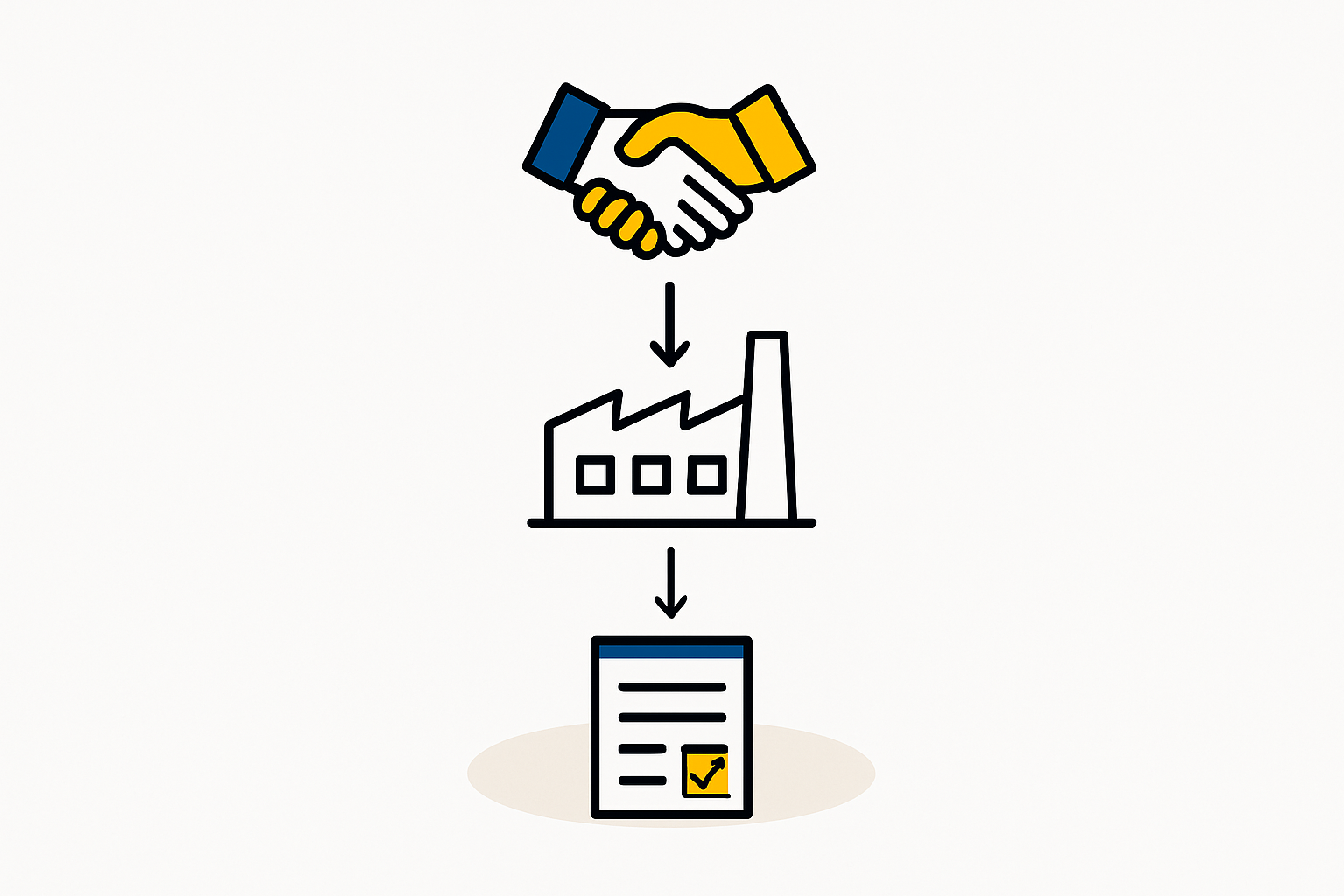
Overcoming these challenges starts with establishing a clear, repeatable process—a system that ensures the right information is shared with the right people at the right time, every time.
A Structured Framework for an Effective Handover: The “3 P’s”
A robust handover protocol can be built around three core pillars: People, Plant, and Process. This framework ensures that every critical aspect of the operation is covered systematically.
People: The Human Element of Communication
This pillar focuses on a clear and unambiguous transfer of responsibility between individuals. Best practices recommend a dedicated overlap of at least 10 minutes between shifts. This allows for a face-to-face briefing where the incoming team can ask clarifying questions.
Key communication points include:
- Team Status: Any staffing changes, reassignments, or ongoing training activities.
- Safety Review: Discussion of any incidents, near misses, or active safety permits from the previous shift.
- Action Items: Any unresolved tasks or follow-ups that need to be carried over.
Plant: The State of the Equipment
This pillar covers the physical condition of the machinery and the entire production environment. The goal is to give the incoming shift a precise understanding of the factory floor’s operational health.
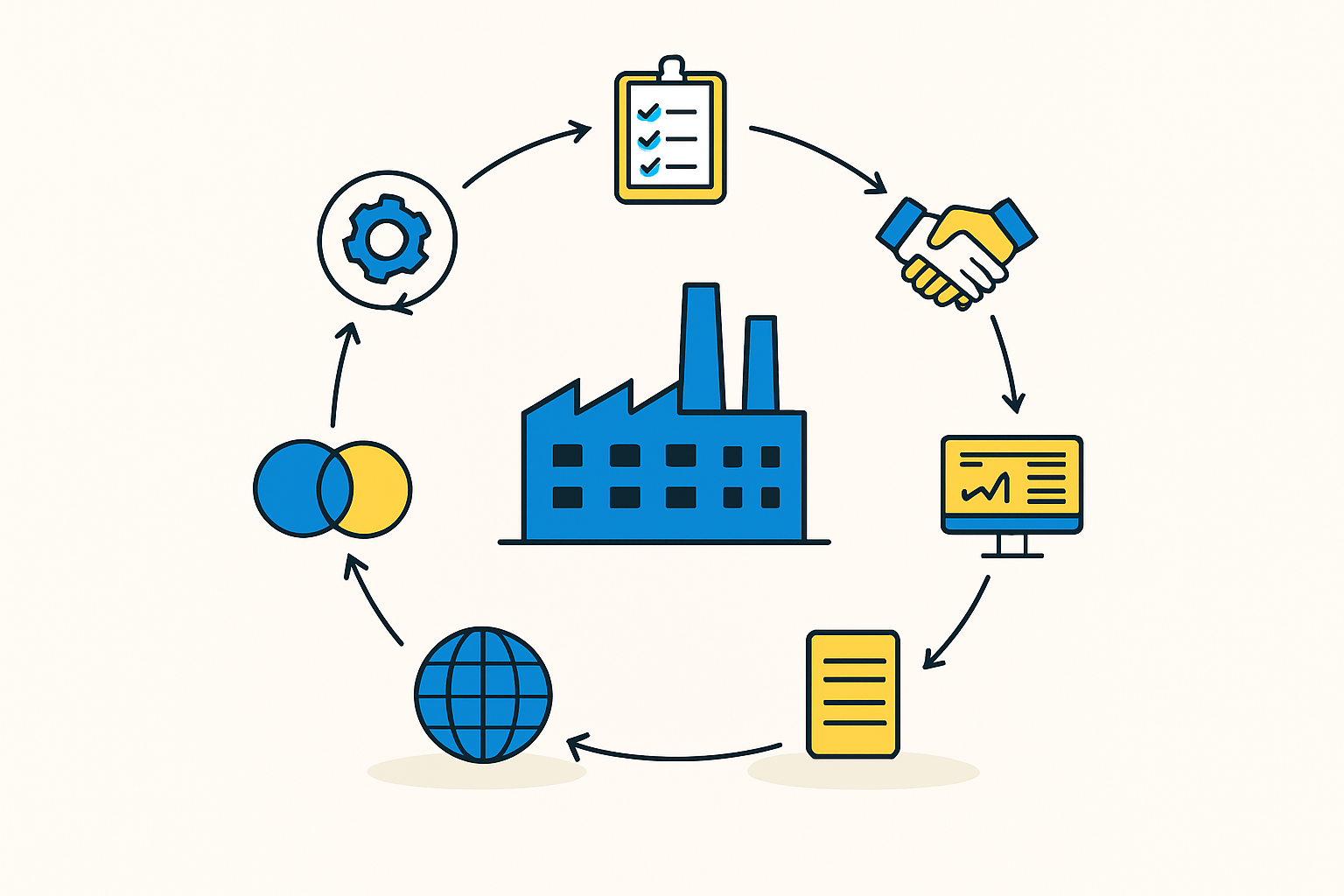
Essential information to transfer includes:
- Equipment Status: Any machines running in a degraded state, under observation, or recently repaired.
- Maintenance Activity: A summary of any maintenance performed or scheduled during the upcoming shift.
- Consumable Levels: Status of critical materials like solder ribbon, flux, or EVA foil.
- Environment: Any issues related to temperature, humidity, or cleanroom conditions.
This detailed overview is fundamental, especially in a turnkey solar module factory where equipment uptime is directly tied to the business plan’s success.
Process: The Production Workflow
This final pillar addresses the status of production schedules and quality control. The incoming team must understand what was accomplished and what the immediate priorities are.
Critical process information includes:
- Production Progress: Output achieved versus the target, and any reasons for deviation.
- Quality Alerts: Details of any materials held for inspection, common defects observed, or changes in quality control standards.
- Upstream/Downstream Issues: Any problems with material supply or bottlenecks in later production stages.

Documenting this information is crucial. Studies on process safety management show that standardized checklists can reduce handover-related errors by as much as 50%. Moving from paper-based logs to digital systems can also improve information accuracy and accessibility by over 70%.
Implementing a Robust Handover Protocol
Shifting from an informal to a structured handover process requires deliberate planning. Experience from J.v.G. turnkey projects suggests the following steps:
- Standardize the Checklist: Develop a single, comprehensive checklist based on the “3 P’s” framework. Involve operators and supervisors from all shifts in its creation to ensure it is practical and relevant.
- Designate a Handover Location: Choose a specific, relatively quiet area on the factory floor for handovers. This minimizes distractions and signals the importance of the process. Effective factory layout planning often incorporates such designated communication zones.
- Train the Team: Conducting an effective handover is a formal skill. Your workforce training should include detailed instruction on the process, emphasizing clarity, conciseness, and active listening.
- Audit and Refine: Periodically, management should observe the handover process to ensure it is being followed correctly and to identify areas for improvement.
By implementing these steps, a factory can significantly increase its operational resilience. Research in manufacturing journals suggests a structured handover process can improve production efficiency by up to 15% simply by eliminating minor stops and errors rooted in miscommunication.
Frequently Asked Questions (FAQ)
What is the ideal duration for a shift handover?
While the exact time may vary, industry best practice suggests a 10-15 minute overlap between shifts. This provides sufficient time for a structured briefing and for the incoming team to ask questions without feeling rushed.
Should handovers be verbal or written?
The most effective handovers use both. The written log or checklist provides a formal, standardized record of key information, while the verbal, face-to-face briefing allows for clarification, emphasis on critical points, and the transfer of nuanced observations that may be difficult to write down.
How do we ensure consistency across all shifts and teams?
Standardization is key. A single, mandatory checklist used by all shifts ensures that the same critical information is covered every time. Regular audits by supervisors or plant management help enforce this standard and correct any deviations.
What is management’s role in this process?
Management is responsible for establishing the handover protocol as a non-negotiable standard. This includes providing the necessary tools (checklists, digital logs), scheduling the overlap time, training employees, and holding teams accountable for following the procedure.
Can this process be applied to a smaller factory with fewer employees?
Absolutely. The principles of structured communication are scalable. A smaller operation with 20-30 employees may have a simpler checklist, but the discipline of a formal handover process provides the same benefits in terms of safety, quality, and efficiency.
Conclusion: From a Point of Failure to a Pillar of Strength
An effective shift handover is more than an administrative task—it’s a fundamental pillar of operational excellence. By moving away from informal habits and implementing a structured, disciplined process, factory owners can mitigate significant risks to safety, quality, and productivity.
The transition requires a commitment to standardization, training, and management oversight, but the returns are substantial. A well-executed handover protocol reduces costly errors, improves equipment effectiveness, and builds a culture of accountability and clear communication. It transforms a potential point of failure into a source of stability and strength, ensuring production momentum carries seamlessly from one shift to the next.