A Perfect Storm Reshaping Kenya’s Energy Landscape
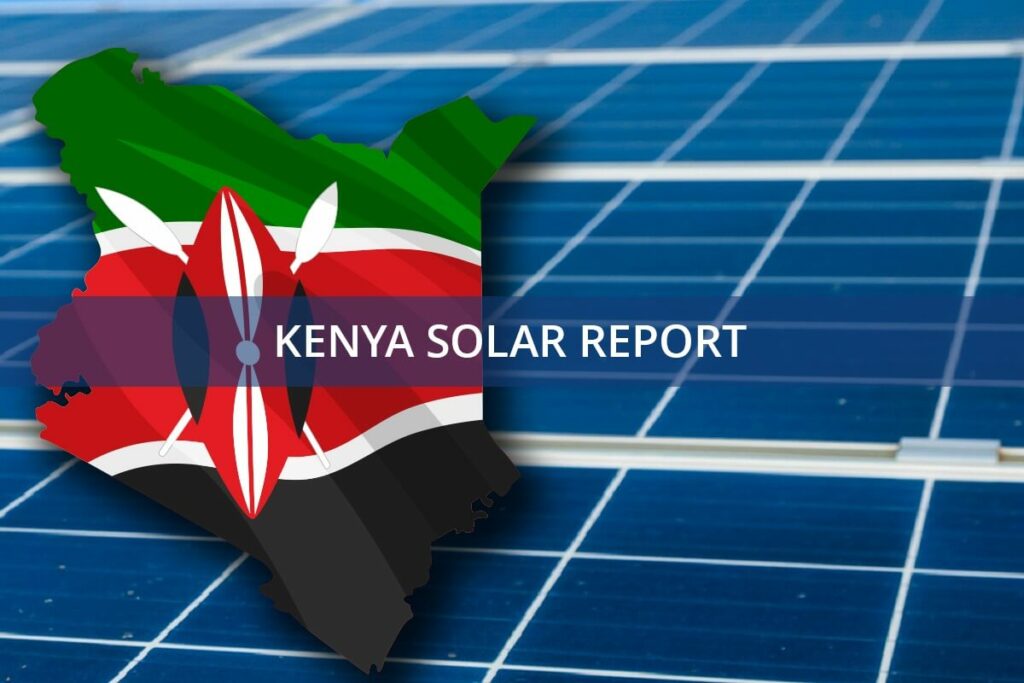
A perfect storm of escalating costs and a faltering national grid is fundamentally reshaping Kenya’s energy landscape. Consumers are reeling from a significant hike in their April 2026 electricity bills, a direct consequence of new levies introduced by the Energy and Petroleum Regulatory Authority (EPRA). This financial shock, coupled with persistent power outages, is creating an unprecedented incentive for businesses and households to adopt solar power as a reliable and cost-effective alternative.
Breaking Down the Bill: New Charges and Volatile Costs
The sudden increase in electricity tariffs is not arbitrary; it is rooted in several new regulatory adjustments. A key driver is the Fuel Energy Cost Charge, which has been set at 347 cents per kilowatt-hour (kWh) to cover the expense of thermal and diesel generation. On top of this, a new Water Resource Management Authority levy adds 1.54 cents/kWh to hydropower. These figures are compounded by severe foreign exchange fluctuations, which cost the system over KSh1.3 billion in March 2026 alone. According to EPRA’s Joseph Oketch, these measures are unavoidable responses to volatile international fuel prices and currency shifts that impact the cost of power production.
An Unreliable Grid on the Verge of Collapse
The financial burden is made heavier by the physical state of Kenya’s power infrastructure. The country has been plagued by frequent power cuts and planned load-shedding since late 2024, a situation President Ruto acknowledged was necessary due to peak-hour shortages and aging equipment. The grid’s vulnerability was starkly illustrated in late 2025 when its peak reserve margin plummeted to a critically low 2.3%, signaling its inability to meet surging demand reliably. The impact of this instability is felt unevenly; off-grid areas like Turkana and Lamu, which depend on expensive diesel, are facing the steepest price increases, while regions near stable geothermal sources like Olkaria experience more moderate changes.
Ready to make big Profits?
The solar Industry is Booming
WE HELP NEWCOMERS to the solar industry start their own solar module production line. Customers can make BIG PROFITS by selling modules and finding investors, without wasting money and time on things they don't need!
The Consumer Pivot to Photovoltaics
In the face of unpredictable pricing and chronic blackouts, Kenyans are taking matters into their own hands. A significant consumer-led transition to solar energy is underway, particularly within the business community. Frustrated by the grid’s shortcomings, many companies are installing photovoltaic (PV) systems to secure their energy supply and slash operational expenses. Reports indicate that some businesses have successfully reduced their power bills by as much as 90% through solar adoption. This grassroots movement underscores a powerful demand for energy security and sustainability, highlighting the urgent need for wider investment in battery storage and expanded geothermal and hydropower capacity to build a more resilient national energy future.
Sources
- Kenya Faces Rising Power Cuts As Grid Struggles To Meet Surging Electricity Demand
- Kenya Electricity Costs Surge: The Hidden Price of Thermal Dependency
- Shocking Electricity Bill Surge: April Cost Jumps by 30%
- Electricity Bills Set to Rise as EPRA Introduces New April 2026 Charges
- KenGen on Hydropower and Potential Cost Easing
- How Kenyan Businesses Are Cutting Power Bills by 90% with Solar