Exploring Bolivia renewable energy: Unique Sector Opening in ’24
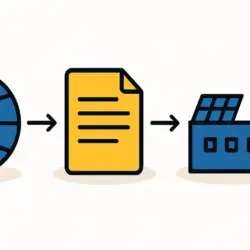
In 2024, Bolivia is capturing attention within the global renewable energy landscape, though the nature of its market opening is more nuanced than a conventional liberalization of its power generation sector. While widespread reports confirming a broad opening for private investment in electricity generation have not been identified, a different and strategically crucial opportunity is coming into focus, centered on the nation’s pivotal role in the clean energy supply chain.
The Lithium Linchpin
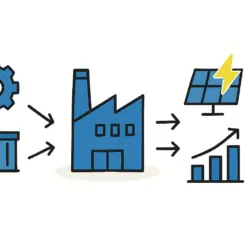
The country’s primary significance in the current energy transition lies in its vast mineral wealth, particularly its lithium reserves, which are fundamental for battery manufacturing and energy storage. According to a report from the Inter-American Development Bank, Latin America’s lithium profits could exceed $50 billion by 2050, highlighting Bolivia as a key player in the value chain for technologies like solar-plus-storage. This positions the nation not as a manufacturer, but as a critical source of raw materials for the global renewables boom.
Contrasting Regional Developments
This focus on resources contrasts with developments elsewhere in the region. For instance, recent analyses like the DNV Energy Transition Outlook highlight significant progress in neighboring countries, with Chile and Colombia advancing offshore wind auctions and experiencing a solar-plus-storage boom. Similarly, summaries from the La Jolla Energy Conference point to Chile’s ambitious coal phase-out. However, these same reports underscore Bolivia’s conspicuous absence from these large-scale private generation and grid modernization trends.
Clarifying the 2024 Opportunity
Authoritative assessments from multiple energy and financial analysts have found limited evidence to support claims of a major policy shift this year to open Bolivia’s electricity market to private capital. Instead, the discourse revolves around the development of its state-managed lithium projects. The “opening,” therefore, is less about private companies building solar farms and more about the global need to secure the materials necessary to power the energy transition.
For investors and industry stakeholders, this clarifies that the immediate opportunity in Bolivia is linked to the broader cleantech and battery supply chains. While the nation’s power sector remains largely distinct from the private investment waves seen elsewhere in Latin America, its immense resource base ensures it will remain a central, if complex, part of the global shift towards renewable energy for decades to come.
Sources
- George Mason University: Energy Sector Assessment
- Global Renewables Alliance: Financing Renewables Report
- Institute of the Americas: La Jolla Energy Conference Summary
- J.P. Morgan Private Bank: Latin America’s Energy Infrastructure
- IDB: Renewable Energy and Storage Value Chains Report
- DNV: Latin America Energy Transition Outlook 2025
- ERM: Insights on Renewable Energy Markets