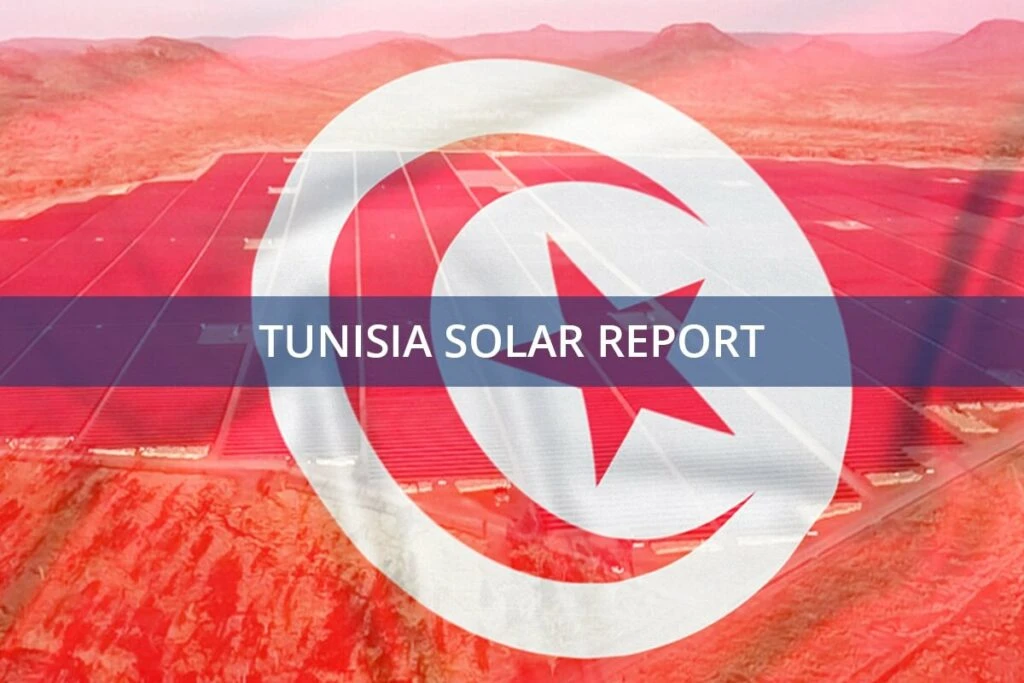
Tunisia is advancing its transition to clean energy with the development of a new 10-megawatt (MW) solar power station, part of a larger initiative to harness the nation’s significant solar potential. This project is one of two greenfield photovoltaic plants being established in Feriana town, located in the west-central Kasserine Governorate. Together, these two 10 MW projects represent an investment of approximately $15 million, signaling a strong commitment to sustainable development.
Project Backing and Impact of A New 10-Megawatt Solar Power Station in Tunisia
The European Bank for Reconstruction and Development (EBRD) is a key financial partner, providing a total of €7.8 million for both Kasserine projects. The financing for this specific 10 MW plant includes a €3.9 million loan from the EBRD, supplemented by €1 million in concessional funding from Finland’s High Impact Partnership with Climate Action (HIPCA). Once operational, the facility is projected to cut greenhouse gas emissions by an estimated 8,560 tons per year, contributing directly to the country’s climate goals.
European renewable energy firm Qair was selected to develop the facility following a competitive tender under Tunisia’s updated renewable energy framework. Aida Sitdikova, an EBRD Director, praised the collaboration, stating, “We are delighted to partner with Qair in Tunisia to accelerate the country’s energy transition. Tunisia boasts significant wind and solar potential, and this investment will contribute to the development of private-sector renewable energy projects and a diversified energy mix.”
Aligning with National Green Energy Goals for A New 10-Megawatt Solar Power Station in Tunisia
This development is a cornerstone of Tunisia’s ambitious energy strategy, which aims to increase the share of renewables in its electricity mix to 35% by 2030. The current level stands at around 8%. To reach this target, the nation plans to install an additional 1.7 gigawatts of solar capacity by 2025.
Eric Thaelmann, CEO of Qair, remarked on the project’s strategic importance: “This project aligns with Tunisia’s ambitious goal of achieving 30% renewable energy generation by 2030.” Qair, which operates 1.4 gigawatts of renewable projects globally, is a significant player in helping nations achieve their low-carbon objectives.
Experts note that expanding renewable capacity is crucial for Tunisia’s economic health. According to the World Bank, a greater reliance on renewables can lead to lower production costs by reducing dependence on expensive fossil fuel subsidies. This shift not only bolsters energy security but also improves the country’s fiscal stability.
Since launching its operations in Tunisia in 2012, the EBRD has been a pivotal partner, investing over €2.2 billion across 70 projects and supporting numerous small and medium-sized enterprises. Despite challenges such as lengthy permitting processes for new energy projects, Tunisia’s government and its international partners remain dedicated to transforming the nation into a regional leader in sustainable energy.
Sources
- Tunisia’s new solar projects – Transformers Magazine
- Tunisia launches tender for 300 MW solar + 150 MW/540 MWh BESS
- Tunisia accelerates large-scale solar as new players enter market
- AMEA Power commissions 120MW solar PV plant, Tunisia’s largest
- Qair secures financing for two 10 MW photovoltaic power plants