With its abundant sunshine, Albania is making exciting strides in solar energy. It’s a smart move that helps diversify the country’s power sources and champion sustainable growth. For entrepreneurs and investors with an eye on solar panel manufacturing in Albania, this field is bursting with potential. But like any venture into an emerging market, it’s crucial to go in with your eyes wide open to the unique challenges Albania presents. Understanding these risks upfront and having a solid plan to tackle them is the key to turning a brilliant idea into a flourishing solar factory.
Here at PVknowhow.com, we’ve spent over 20 years in the trenches helping people just like you launch solar module production lines across the globe. If there’s one thing we’ve learned, it’s that spotting potential roadblocks early is the key to navigating them successfully. In this guide, we’ll walk you through the key risks you’ll face in Albania—from political and economic to operational and technical. More importantly, we’ll share tried-and-tested strategies to help you sidestep pitfalls and chart a course for success.
Want to learn more or need expert help? Visit our free e-course or explore our services. If you’re ready to dive deeper, our Premium Business Plan E-Course offers personalized guidance to get your venture off the ground. Let’s make your solar journey smooth and successful.
Table of Contents
Albania’s Solar Scene: A Bright Outlook for Manufacturing
Albania is clearly warming up to renewable energy, and with its incredible solar potential, who can blame them? The country is eager to reduce its reliance on hydropower, which, as the Tirana Times points out, currently makes up the bulk of its energy supply. Just picture it: 240 to 300 sun-drenched days a year, with solar irradiation levels reaching between 1500-1700 kWh/m²/year (hat tip to UNECE and ResearchGate for that data). Now that’s a solid foundation for solar energy generation!
Tapping into Solar Potential with Government Backing
The great news is that the Albanian government sees this bright future, too, and is actively championing solar energy. Initiatives like Law No. 7/2017, designed to promote renewable energy use, are paving the way for investment (UNECE). With several large PV projects already getting the green light, the solar sector is undeniably on an upward trajectory (PV-Magazine tells us so). This kind of supportive atmosphere? It’s a massive plus if you’re considering manufacturing solar panels locally, pointing to a blossoming domestic market and exciting export possibilities down the line.
Why Local Solar Panel Production Makes Sense
Setting up solar manufacturing in Albania isn’t just a smart investment. It taps right into the country’s bigger picture: ambitions for energy independence, creating much-needed jobs, and building a sustainable industrial base. Think about it—a local supply chain means fewer imported modules, stronger energy security, and a real boost to the economy. For you, the investor, this presents a golden opportunity to get in on the ground floor of an emerging market with government backing and growing demand. Want a closer look? Dive into our exclusive PVknowhow.com Report: ‘Solar Manufacturing Opportunities in Albania‘.
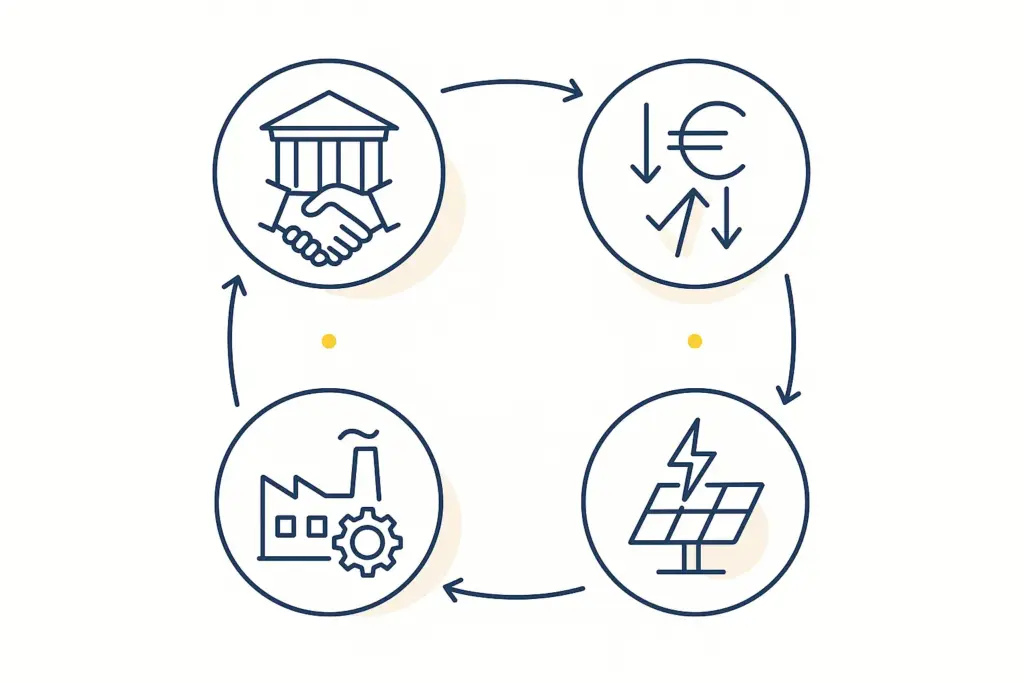
Pinpointing Key Risks for Solar Manufacturing in Albania
While those opportunities are appealing, it’s vital to take a hard look at the potential risks. Smart investors know they need to be prepared for the specific challenges the Albanian market can present.
Political and Regulatory Hurdles
Let’s talk about the political and regulatory landscape—often a primary concern for foreign investors. Here’s what to keep a close eye on:
- Policy Watch: While current policies are encouraging, it’s wise to monitor potential shifts in government focus or new laws that could impact renewable projects or manufacturing incentives. Things can change, so keeping an ear to the ground is key.
- Navigating Bureaucracy: Frankly, getting permits in Albania can sometimes feel like navigating a maze. You’ll often be dealing with several bodies like the Ministry of Infrastructure and Energy (MIE) and the Energy Regulatory Entity (ERE) (UNECE). Any slowdowns or unclear processes here can lead to frustrating delays (as noted by Scientific Editorial).
- Governance Landscape: While Albania is making progress, aspects like corruption and the strength of contract enforcement are still points to consider carefully for any investment (State.gov, 2024, reminds us of this).
Economic and Financial Uncertainties
The economic and financial side brings its own set of variables that you’ll need to handle with care.
- Currency Considerations: If you’re operating in Albanian Lek (ALL) but your equipment or funding is sourced internationally in Euros (EUR), you’re naturally exposed to exchange rate fluctuations.
- Securing Your Funding: Finding capital, whether locally or internationally, for a capital-heavy manufacturing project requires a rock-solid business plan and a good understanding of what the local banking scene can offer.
- Market Realities: While the potential is there, you’ll need an accurate picture of domestic demand for locally made panels versus imports, and, importantly, the viability of Power Purchase Agreements (PPAs).
- Inflation and Tax Watch: Keep an eye on this one—changes in inflation and tax rules can certainly eat into your operational costs and overall profitability.
Operational Challenges
When it comes to the day-to-day running of your plant, several factors could throw a wrench in the works:
- Infrastructure Check: Let’s talk basics. Albania’s electricity grid has had its share of hiccups, with notable energy losses (around 20%), partly due to older infrastructure (thanks, Globsec, for that insight). Manufacturing, as you know, needs a rock-solid, reliable power supply. Transport and logistics infrastructure also demand close scrutiny.
- Supply Chain Strength: You’re going to need a dependable supply chain for raw materials and components, whether sourced locally or imported. Over-reliance on imports can add logistical headaches and cost volatility.
- Building Your A-Team: Albania has a willing workforce, no doubt. But finding people with the specific technical skills needed for solar panel manufacturing might take some legwork. This will likely mean investing in training.
- Finding Your Footprint: Securing the right piece of land and navigating all the zoning rules can, quite simply, take time. Patience and good local advice will be your friends here.
Technical and Environmental Factors
Finally, the technical nuts and bolts of manufacturing, plus meeting all-important environmental standards, are absolutely non-negotiable.
- Stable Grid Access: Energy-intensive manufacturing plants need stable grid connections. It’s vital to assess whether the local grid can handle your facility’s demands without causing broader instability.
- Smart Tech Choices: Ensuring your chosen manufacturing technology is a good fit for local conditions and that knowledge is effectively transferred to your team is crucial for efficient operations.
- Quality is King (or Queen!): Setting up and rigorously maintaining strict quality control is essential if you want to produce solar modules that are competitive and, above all, reliable. The industry has seen a global rise in module defects, making this even more critical (as PV-Tech has reported).
- Green Credentials: Solar panel manufacturing involves materials and processes that must comply with environmental regulations. This includes Environmental Impact Assessments (EIAs) and robust waste management plans (we cover this in more detail on PVknowhow.com).

Proactive Mitigation Strategies: PVknowhow.com’s Framework for Success
So, how do you tackle all this? Drawing on our decades of global experience, we at PVknowhow.com believe in a proactive, strategic game plan for managing these risks. It’s about being prepared, not just reactive.
Charting a Course Through Political and Regulatory Waters
- Do Your Homework: And we mean thoroughly. Engage local legal professionals who know the ropes. They can walk you through current regulations, investment laws, and permitting requirements. Don’t skimp on this step.
- Build Relationships with Key Players: Make it a priority to establish open, ongoing communication with key government departments (like MIE, ERE, and local councils). A good relationship can go a long way.
- Find Solid Local Allies: Teaming up with a respected local partner can be priceless. They bring invaluable know-how and can help you navigate official procedures.
- Consider Political Risk Insurance: It’s worth exploring options from groups like MIGA (Multilateral Investment Guarantee Agency). This can be a smart way to protect your investment against certain political uncertainties (MIGA).
Building Economic and Financial Resilience
- Craft Robust Financial Models: This is where the spreadsheets come to life. Develop detailed financial plans that account for various scenarios, such as swings in currency rates, inflation spikes, or shifting interest rates. Plan for the ‘what-ifs’.
- Diversify Your Funding Sources: Don’t put all your eggs in one basket. Explore a mix of local and international financing, and don’t forget to look into development finance institutions.
- Secure Bankable Agreements: Aim for clear, secure Power Purchase Agreements (PPAs) or offtake agreements. These are key to ensuring your revenue stream is stable and predictable.
- Use Hedging Strategies (Wisely!): Where it makes sense, use financial instruments to hedge against currency risks and manage the volatility of exchange rates.
Smoothing Out Operational Hurdles
- Choose Your Site Strategically: Conduct detailed site audits—assessing infrastructure like power, transport, and water—before committing to a location. Due diligence here is crucial.
- Develop a Resilient Supply Chain: Establish relationships with multiple suppliers for key raw materials and components. Explore what can be sourced locally to reduce import reliance and costs.
- Invest in Your People: Implement comprehensive training programs to upskill local workers. Consider partnering with local vocational schools for a win-win outcome.
- Consider a Phased Rollout: You don’t have to do it all at once. Consider setting up your factory in stages to manage your initial investment and adapt more smoothly to local conditions.
Meeting Technical and Environmental Benchmarks
- Conduct In-Depth Grid Impact Studies: Don’t assume the grid can handle your factory’s load. Carry out thorough studies to ensure it can reliably meet your energy needs without disrupting the community.
- Opt for Proven Technology and Robust Quality Systems: Choose manufacturing technologies with a proven track record and implement robust Quality Management Systems (like ISO certification) from day one.
- Embrace Sustainable Manufacturing: Adhere to international environmental standards for waste management, emissions control, and resource efficiency. It’s not just good for the planet—it’s good for business.
- Complete Comprehensive EIAs: Ensure you conduct thorough Environmental Impact Assessments and secure all necessary permits. This isn’t just a box-ticking exercise; it’s a commitment to responsible development.
Why Partner with PVknowhow.com for Your Albanian Venture?
Starting a solar manufacturing business in a dynamic market like Albania is exciting, but it’s not just about finding funding. It demands deep industry insight, solid technical know-how, and a clear vision for the future. That’s exactly where we at PVknowhow.com (a project of J.v.G. Technology GmbH) come in. We bring over two decades of real-world, roll-up-your-sleeves experience in the photovoltaic sector right to your doorstep.
Our team is spearheaded by innovators in solar technology and business growth, and we have a proven track record of helping entrepreneurs and companies worldwide set up successful solar module production lines. Here’s how we can support you:
- Turnkey Solar Production Lines: We offer custom-designed solutions, covering everything from the machinery itself to the nitty-gritty of process engineering. Think of it as a ready-to-go setup, tailored for you.
- Strategic Business Planning Support: This includes our popular Premium Business Plan E-Course, which comes complete with invaluable one-on-one mentoring. We help you build a plan that works.
- Personalized Expert Consulting: You’ll get advice that’s genuinely shaped to your specific needs, helping you navigate those tricky technical, operational, and financial hurdles.
Our goal is simple: to empower you to build efficient, state-of-the-art solar module factories and turn your vision into a tangible, successful reality.

Conclusion: Charting a Secure Path to Solar Manufacturing Success in Albania
Albania’s growing solar market presents an exciting opportunity for investors in solar panel manufacturing. Are there risks? Absolutely. Like any venture in an emerging economy, you will face challenges. But the good news is that with the right approach, they are entirely manageable. Diligent research, solid planning, and a proactive mindset toward problem-solving can clear the path for a successful investment—one that also makes a real, positive difference.
By taking the time to understand the local landscape, teaming up with reliable partners, and applying global best practices, you aren’t just building a profitable business; you’re helping Albania move toward a greener, more sustainable future. It all boils down to careful preparation and having experienced guidance by your side.
Ready to explore what solar manufacturing in Albania could mean for your business? We at PVknowhow.com would love to chat. Reach out for a personalized consultation today, and let’s discuss how our deep experience can help you minimize risks and launch your Albanian solar venture successfully.
Frequently Asked Questions (FAQs)
Q1: What are the main challenges I should be aware of if I’m considering investing in solar panel manufacturing in Albania?
A: If you’re considering setting up solar panel manufacturing in Albania, you’ll want to keep a few key areas on your radar. These include political and regulatory factors like policy stability and the ease of getting permits. Then there are economic variables like currency fluctuations and access to funding. Operationally, you’ll need to consider infrastructure reliability (especially the power grid) and how to build your supply chain. On the technical front, challenges include grid connection and top-notch quality control. It sounds like a lot, but awareness is the first step.
Q2: How can I effectively manage these risks in Albania?
A: Effectively managing these risks comes down to a multi-pronged strategy. First, conduct thorough due diligence with good local legal and business advice. Build strong relationships with local partners. Plan your finances meticulously, with strategies for currency risk. Invest in training your workforce—they’re your biggest asset. Conduct detailed assessments of potential sites and existing infrastructure. Finally, commit to international standards for quality and environmental management. It’s all about being proactive and prepared.
Q3: What’s the Albanian government’s view on solar energy and manufacturing?
A: The Albanian government is quite enthusiastic about solar energy. They see it as a key way to diversify the country’s energy mix and have already approved several large-scale PV projects. Policies are in place to encourage investment in renewables (as covered by sources like UNECE and PV-Magazine). Supporting local manufacturing also aligns well with national goals for energy independence and job creation, so the general sentiment is very favorable for solar ventures.
Q4: Why is local expertise so important for succeeding in solar manufacturing in Albania?
A: Local expertise is incredibly important because it helps you navigate Albania’s specific regulations, business culture, and unwritten norms that can make or break a project. Local knowledge is invaluable for setting up effective supply chains, connecting with communities and authorities, and tackling challenges unique to the region. While global experience is vital, partners like us at PVknowhow.com, who combine that experience with a focus on local adaptation, can help bridge that crucial gap.
Q5: What are the key environmental points to consider for solar panel manufacturing in Albania?
A: The environmental side is crucial. For solar panel manufacturing in Albania, you’ll need to focus on managing any hazardous materials used in production and setting up proper waste disposal and recycling systems. You’ll also need to conduct detailed Environmental Impact Assessments (EIAs) that comply with local laws. Ensuring your manufacturing processes are as green and sustainable as possible from day one is key—not just for compliance, but for your long-term reputation and viability.
References
All references
- Energypedia. (n.d.). Albania Energy Situation. Retrieved from https://energypedia.info/wiki/Albania_Energy_Situation
- GLOBSEC. (2023). Policy Paper: Bridging Mutual Synergies in Energy Transition and Energy. Retrieved from https://www.globsec.org/what-we-do/publications/policy-paper-bridging-mutual-synergies-energy-transition-and-energy
- IRENA. (2021). Renewables Readiness Assessment: Albania. Retrieved from https://www.irena.org/-/media/Files/IRENA/Agency/Publication/2021/March/IRENA_RRA_Albania_2021.pdf
- MIGA. (n.d.). Blue 1 Solar Project. Retrieved from https://www.miga.org/project/blue-1-solar-project
- PV-Magazine. (2024, March 19). Challenges and prospects in Albania’s PV market. Retrieved from https://www.pv-magazine.com/2024/03/19/challenges-and-prospects-in-albanias-pv-market/
- PV-Magazine. (2025, May 6). Albanian government approves 54 MW of solar projects.
- PVknowhow.com. (n.d.). Risks of Solar Panel Manufacturing Business. Retrieved from https://www.pvknowhow.com/risks-of-solar-panel-manufacturing-business/
- PV-Tech. (n.d.). Massive increase in solar module defects poses significant risk to PV industry – CEA. Retrieved from https://www.pv-tech.org/massive-increase-in-solar-module-defects-poses-significant-risk-to-pv-industry-cea/
- ResearchGate. (2022). Economic and Environmental Impacts of Solar Energy in Albania. Retrieved from https://www.researchgate.net/publication/359700136_Economic_and_Environmental_Impacts_of_Solar_Energy_in_Albania
- Scientific Editorial. (n.d.). Advancing Solar Energy in Albania: The Leadership Role of Private. Retrieved from https://scientificeditorial.com/index.php/unitelematica-LDV/article/download/Advancing-Solar-Energy-in-Albania-The-Leadership-Role-of-Private/366
- State.gov. (2024). 2024 Investment Climate Statements: Albania. Retrieved from https://www.state.gov/reports/2024-investment-climate-statements/albania/
- Tirana Times. (n.d.). Managing the hydric energy risk. Retrieved from https://www.tiranatimes.com/managing-the-hydric-energy-risk/
- UNECE. (2021). UNECE Renewable Energy Uptake Factsheet: Albania. Retrieved from https://unece.org/sites/default/files/2021-07/UNECE-RE_Uptake_Factsheet_Albania.pdf