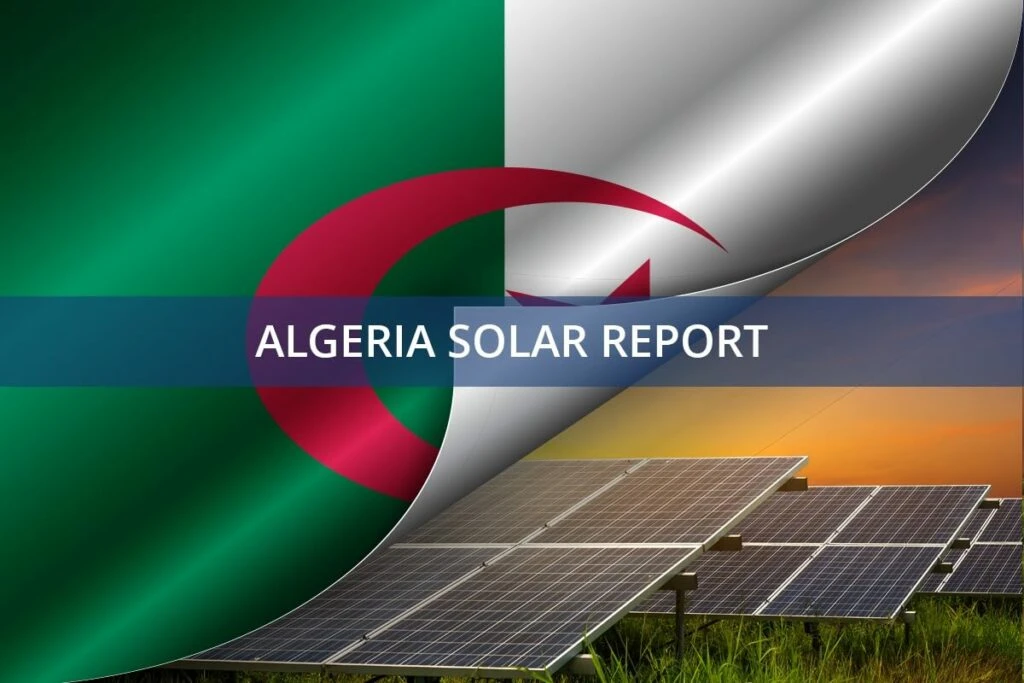
Let’s talk Algeria. It’s an exciting time for the nation—you can almost feel the buzz.
Algeria stands at a fascinating crossroads, blessed with incredible solar potential and bold government targets to bring this clean energy online.
Picture this: the goal is to install a massive 13.5 GW of solar PV capacity by 2030, a huge leap from the roughly 437 MW in place at the end of 2023. This ambition is driving a strategic push for local solar module manufacturing—a fantastic opportunity for entrepreneurs, investors, and established companies alike.
However, like any great opportunity, this promising landscape isn’t without its hurdles. To succeed in Algeria’s burgeoning solar manufacturing sector, navigating the complex web of political, economic, and operational risks is key.
That’s where this guide comes in. Drawing on our team’s decades of experience launching solar factories worldwide, we offer a clear framework for understanding these risks and, more importantly, mitigating them. Our goal is to help you turn potential pitfalls into pathways toward resilient, solid growth.
Table of Contents
Algeria’s Solar Manufacturing Landscape – Opportunities & Early Warnings
So, why the focus on solar in Algeria? The nation’s commitment to renewable energy is driven by a strategic desire to diversify its energy mix, lessen reliance on hydrocarbons, and cultivate sustainable economic development. The government’s vision extends beyond generating solar power; it aims to establish a robust local manufacturing base to supply these projects and create valuable, long-term jobs.
Government’s Vision and Incentives:
The Algerian government has laid out clear and ambitious targets: 15 GW of total renewable energy by 2035, with solar PV taking the lead. This strategy is backed by initiatives designed to encourage local production, such as potential local content requirements in public tenders. Developing local solar manufacturing is rightly seen as a vital cornerstone for achieving energy independence and boosting industrial development.
Current State-of-Play:
As of late 2023, Algeria’s solar module assembly capacity hovered around the 500 MW mark, with key players like Zergoun, Lagua Solaire, and Milltech leading the charge. Ambitious plans are underway to significantly expand this capacity, potentially reaching 600-700 MW by late 2025. While these figures show clear progress, they also underscore the substantial scaling required to meet national targets—and the inherent risks that come with such rapid expansion in the Algerian solar sector.
Why Algeria? The Solar Potential:
Algeria boasts some of the highest solar irradiation levels on the planet, especially in its vast Saharan region, making it a natural solar superpower. This incredible advantage, combined with growing domestic energy demand and a strategic location for potential exports to Europe and Africa, makes the country a highly attractive prospect for solar investment. However, investors must balance this potential against a landscape with its own operational and systemic challenges. Recognizing these early warning signs is the first step in effective risk management.
The Political & Regulatory Gauntlet
Navigating the political and regulatory environment in any emerging market is often one of the biggest sources of risk. While Algeria is making positive strides, it has its own specific challenges that solar manufacturing ventures must navigate carefully.
Thinking About: Policy Volatility & Shifting Sands
Algeria, like many emerging markets, has a history of evolving regulations and changing tender specifications that can impact solar manufacturing policy. For example, the “Solar 1,000 MW” project saw several transformations from its initial concept. While local content requirements are generally beneficial for domestic industry, they can also change, potentially impacting sourcing strategies and cost structures.
- How to Tackle This: Continuous, proactive monitoring of policy developments is vital. Engage with local consultants and industry associations to stay informed. Building flexibility into your project designs and financial models from the outset can help you adapt when rules shift. We also highly recommend engaging experienced local legal counsel to interpret regulations and ensure compliance.
Navigating: Bureaucratic Bottlenecks & Permitting Pathways
Navigating Algerian bureaucracy can be a time-consuming process. Securing the necessary permits, licenses, and approvals for manufacturing facilities often involves multiple agencies and complex procedures.
- Your Strategy: Partnering with experienced local entities who understand the administrative landscape can significantly streamline these processes. It is also wise to establish dedicated liaison teams to manage government interactions. Building buffer time into project timelines for potential delays is a prudent step.
Understanding: The SOE Factor (Sonelgaz & others) – Navigating Influence
State-Owned Enterprises (SOEs) like Sonelgaz, the national electricity and gas company, play a dominant role in the Algeria power market. They are often key off-takers, partners, or even regulators, and their influence can significantly impact a project’s viability and its smooth operation.
- Building Bridges: Fostering transparent, open, and professional engagement with SOEs is crucial. Understand their priorities, procurement processes, and operational mandates to build constructive collaborations. It is also essential to have robust contractual frameworks with clear terms and dispute resolution mechanisms, especially when dealing with powerful state entities.
Considering: Geopolitical Climate & Domestic Stability
Broader geopolitical considerations and domestic socio-economic stability can influence investor confidence and the overall business environment.
- Staying Prepared: We advise investors to diversify their information sources to gain a comprehensive understanding of the local and regional context. Exploring political risk insurance options can provide a valuable financial backstop. Furthermore, developing contingency plans and conducting scenario analyses for various political or economic shifts will allow for more agile responses when needed.
Economic & Financial Headwinds
The economic landscape presents another layer of potential risks for your Algerian solar manufacturing project, ranging from macroeconomic dependencies to project-specific financial hurdles.
The Challenge Of: Hydrocarbon Dependency & Renewable Energy Budgets
Algeria’s economy is still heavily reliant on hydrocarbon revenues. When global oil and gas prices fluctuate, it can impact public finances, which in turn could affect the availability of government funding, subsidies, and support mechanisms for renewable energy projects.
- Securing Your Position: Securing long-term, bankable Power Purchase Agreements (PPAs) can offer much-needed revenue certainty. It is also worth exploring private financing avenues, both local and international, to reduce dependency on public funds. From a broader perspective, advocating for stable, long-term support policies for renewables helps forge a more predictable investment climate for everyone involved.
Dealing With: Currency Fluctuations, Inflation & Repatriation Realities
The Algerian Dinar (DZD) can experience volatility, and inflation can impact your project costs and profitability. Additionally, regulations around profit repatriation can sometimes pose challenges for foreign investors.
- Smart Financial Moves: Implementing currency hedging strategies where feasible can help mitigate exchange rate risk. Sourcing a portion of your financing in local currency might also offer a natural hedge. Establish clear agreements with local banks regarding currency conversion and profit repatriation from the outset.
The Hurdle Of: The Capital Quest – Access to Local & International Finance
Accessing finance can be a significant hurdle. Local financing mandates may exist, and the perceived country risk for Algeria can make international investors cautious—a point noted by respected organizations like RES4Africa. The financial health of your key off-takers also plays a critical role.
- Making Your Case: To attract investment for solar panel production in Algeria, developing exceptionally robust and detailed business plans is essential. Cultivating strong relationships with both local and international financial institutions is also key. Don’t be afraid to explore innovative financing structures; such as green bonds or specialized development finance can unlock new pools of capital.
Factoring In: Supply Chain Economics & Cost Volatility (Materials, Logistics)
Sourcing raw materials, components, and manufacturing equipment for your solar panel production line can be complex. Import duties, logistical challenges (especially given the vast distances between prime southern solar resource areas and northern demand centers), and the reliability of suppliers can all impact your cost structures and timelines. It’s also worth noting that operational costs, including PV installation, can be approximately 30% higher in Algeria compared to global averages due to local conditions.
- Building Resilience: Diversifying your sourcing for critical components and materials is a smart move to reduce reliance on single suppliers. Negotiating long-term contracts can help stabilize prices. Over time, investing in local supplier development programs can improve reliability and reduce import dependency. Meticulous logistics planning is fundamental.
Want to learn more or need expert help? Visit our free e-course or explore our services. Or, if you’re ready to dive deeper, our Premium Business Plan E-Course offers personalized guidance to get your venture off the ground. Let’s make your solar journey smooth and successful.
Operational & Technical Tightropes
Beyond policy and finance, the day-to-day practicalities of setting up and running a solar manufacturing facility in Algeria come with their own unique set of operational and technical risks.
The Goal: Scaling Local Production – From Ambition to Output
While Algeria has an existing module assembly capacity of around 500 MW, rapidly scaling this to meet ambitious national targets like the 13.5 GW solar PV goal presents significant challenges in execution, efficiency, and quality control.
- A Measured Approach: Adopting a phased approach to expansion allows for learning and adjustment along the way, reducing the risk of large-scale upfront errors. Seeking technology partnerships with experienced international players can bring in proven processes and invaluable expertise to Algerian solar manufacturing. Optimizing your plant layout and production flow from the beginning, guided by effective turnkey solutions like those from PVknowhow.com, is critical for achieving efficiency.
The Standard: The Quality Conundrum – Meeting International Standards
For Algerian-made solar modules to be competitive domestically and for export, they must meet stringent international quality and performance benchmarks, like the well-known IEC certifications.
- Quality First: Implementing robust quality management systems (like ISO 9001) throughout your production process is non-negotiable. Investing in comprehensive testing equipment and skilled quality control personnel is essential. Continuous training and an unwavering adherence to international best practices are vital for building a strong reputation for quality.
The Foundation: Infrastructure Gaps (Transport, Logistics, Reliable Power)
Manufacturing operations require reliable infrastructure, including efficient transportation networks, dependable logistics, and, importantly, a consistent power supply for the factory itself. Algeria’s vast geography can intensify logistical challenges, particularly between potential southern production hubs and northern consumption centers.
- Smart Choices: Strategic site selection is paramount. Carefully consider proximity to transport links, ports (if exporting or importing significant components), and reliable utilities. Where public infrastructure is lacking, it may be worth exploring private investment in essential services like dedicated power lines or improved access roads. Developing robust logistics and warehousing plans is also crucial.
The People: The Talent Deficit – Sourcing Skilled Manufacturing Personnel
Finding and retaining a workforce with the necessary technical and managerial skills for advanced solar module manufacturing can be a challenge in a developing industrial sector.
- Investing in People: Investing in comprehensive in-house training programs is incredibly important for building your future workforce. Collaborating with local vocational schools and universities to develop specialized curricula can help build a sustainable talent pipeline. Offering competitive compensation and clear career development opportunities also helps attract and retain skilled employees.
The Know-How: Technology Transfer, IP, and Sourcing Advanced Equipment
Establishing a modern solar module factory requires access to advanced manufacturing technology and equipment, which is often sourced internationally. Protecting intellectual property (IP) and ensuring effective technology transfer are key concerns.
- Strong Partnerships: Partnering with reputable international equipment suppliers who offer comprehensive installation, training, and after-sales support—like those PVknowhow.com regularly collaborates with—is fundamental. Clear contractual agreements regarding technology transfer, licensing, and IP protection are essential to establish from the start.
PVknowhow.com’s Proactive Risk Mitigation Framework for Algerian Solar Manufacturing
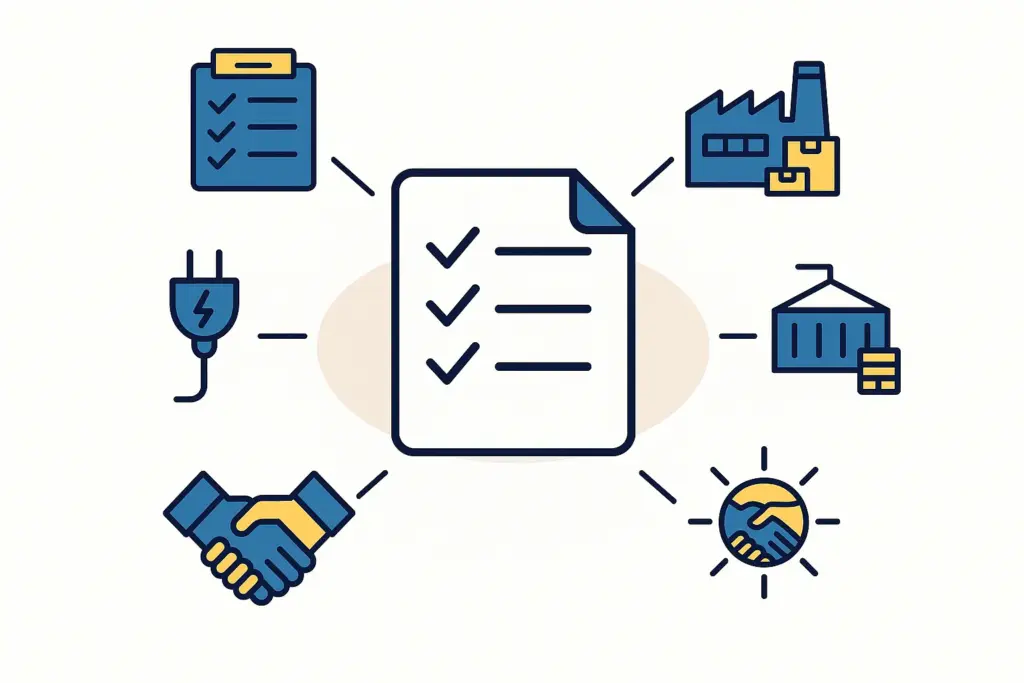
Successfully launching and operating a solar module production line in Algeria requires more than just a checklist of risks; it demands a proactive, integrated mitigation strategy. Drawing on over two decades of global experience, we at PVknowhow.com advocate for a multi-pillar framework that consistently delivers results:
- Pillar 1: Deep-Dive Due Diligence (Market, Partner, Regulatory)
- Conduct thorough market analysis, including demand forecasting, competitor assessment, and price sensitivity.
- Vet potential local partners meticulously. Assess their financial stability, local reputation, and the strength of their network.
- Perform comprehensive regulatory checks. Ensure you understand all legal, fiscal, and environmental obligations. Resources like PVknowhow.com’s Global Solar Reports can be invaluable here, offering crucial country-specific data.
- Pillar 2: Strategic Partnerships & Structuring (JVs, SPVs, Legal Frameworks)
- Consider joint ventures (JVs) with reputable local firms to leverage their market knowledge and established networks.
- Structure your investments through appropriate legal entities, like Special Purpose Vehicles (SPVs), to help optimize risk and manage liability.
- Develop robust legal and contractual safeguards, including clear dispute resolution mechanisms in all agreements.
- Pillar 3: Financial Fortification (Insurance, Hedging, Diversified Funding)
- Explore comprehensive insurance coverage, including options like political risk insurance and business interruption policies.
- Implement financial hedging strategies for currency and commodity price risks where feasible.
- Diversify your funding sources with a healthy mix of equity, debt, and potentially grants or concessional finance. Crafting bankable business plans, a skill we teach at PVknowhow.com, is critical at this stage to attract funding.
- Pillar 4: Operational Resilience (Quality Systems, Supply Chain Agility, Workforce Development)
- Implement world-class quality assurance and control systems from day one.
- Build an agile and resilient supply chain with diversified sourcing and strong, collaborative supplier relationships.
- Invest heavily in workforce training and development to build a skilled, motivated, and loyal team. This is often supported by the comprehensive technology transfer and training included in turnkey solutions from PVknowhow.com.
- Pillar 5: Continuous Engagement & Adaptation (Stakeholder Management, Policy Advocacy, Market Monitoring)
- Maintain proactive and transparent communication with government bodies, regulatory agencies, and industry associations.
- Participate in policy advocacy efforts to contribute to a stable and favorable regulatory environment for the sector.
- Continuously monitor market dynamics, technological advancements, and the evolving risk landscape to adapt your strategies and stay ahead of the curve.
Conclusion: Seizing the Algerian Solar Opportunity, Wisely
Algeria’s solar manufacturing ambitions present a significant opportunity for those prepared to navigate its complexities. The nation’s abundant solar resources, coupled with strong government support for local industry, create a compelling case for investment.
However, as this guide has detailed, the path is paved with political, economic, and operational risks that demand careful consideration. For any aspiring Algerian solar company, success isn’t just about technology or capital; it’s about having the right strategy, partners, and a deep, nuanced understanding of the local context.
By employing a comprehensive risk management framework—from meticulous due diligence and strategic structuring to operational excellence and continuous adaptation—entrepreneurs and investors can significantly enhance their prospects for success in Algerian solar manufacturing.
Algeria’s potential in solar manufacturing is undeniable. For those who approach it with diligence, resilience, and expert guidance, the rewards can be substantial, contributing not only to your business success but also to Algeria’s bright, sustainable energy future.
Planning your Algerian solar manufacturing venture, or already in the thick of it? We’re here to empower your success. Contact PVknowhow.com for expert guidance, customized business planning, and tailored risk advisory to help you build your profitable solar factory. We’re eager to hear your plans and support your journey to success in Algeria!
References
All references
- https://www.pv-magazine.com/2024/11/07/a-turning-point-for-algerian-solar/
- https://cleantech.marketing/report/algeria-solar-pv-market-report/
- https://www.worldbank.org/en/news/press-release/2025/06/03/algeria-boosting-productivity-to-achieve-sustainable-and-diversified-growth
- https://www.agenzianova.com/en/news/in-algeria-entra-in-funzione-il-nuovo-piano-sulla-transizione-energetica/
- https://www.mordorintelligence.com/industry-reports/algeria-renewable-energy-market
- https://www.statista.com/outlook/cmo/smart-home/energy-management/algeria
- https://www.marketreportanalytics.com/reports/algeria-renewable-energy-industry-99959
- https://www.pvknowhow.com/solar-report/algeria/
- https://www.sciencedirect.com/science/article/pii/S2590174524001338
- https://www.mei.edu/publications/algeria-charts-path-renewable-energy-sector-developmen
- https://pure.iiasa.ac.at/id/eprint/11684/1/IR-15-002.pdf
- https://www.tni.org/en/article/the-challenges-of-the-energy-transition-in-fossil-fuel-exporting-countries
- https://www.allianz.com/en/economic_research/country-and-sector-risk/country-risk/algeria.html
- https://pmc.ncbi.nlm.nih.gov/articles/PMC6607439/
- https://www.trade.gov/country-commercial-guides/algeria-renewable-energy
- https://www.realclearenergy.org/articles/2025/04/16/algeria_is_pushing_for_a_secure_energy_future_1104487.html
- https://www.ispionline.it/en/publication/algerias-energy-dilemma-and-sustainability-182972
- https://link.springer.com/article/10.1007/s00550-024-00532-2
- https://res4africa.org/wp-content/uploads/2023/04/Assessing-Investment-Risks-in-Renewable-Energy-min.pdf