Building Solar in the Sun: Is Antigua and Barbuda Actually Ready for a Solar Module Factory?
Let’s get right to it. Everyone’s talking about solar these days, chasing renewable dreams and local manufacturing. For a small, sunny place like Antigua and Barbuda, it all sounds great on paper. The idea: build our own solar panel factory, stop relying on imported energy, and push the economy forward. But as with most big ideas, the details are where it gets messy.
So, what would it really take to set up a solar module plant here? Do we have the basics covered, or are we jumping the gun? Let’s break it down. No sugar-coating.
Table of Contents
Energy: What Powers the Factory, Powers the Whole Project
Bottom line: You can’t run a factory if the power isn’t reliable and affordable. Solar panel production is power-hungry. This is the make-or-break part.
Ready to succeed in solar?
Get started with our free e-course, explore our comprehensive services for expert support, or unlock your full potential with our Premium Business Plan E-Course for personalized guidance. Let’s make your solar journey smooth and successful.
Where We Are Now
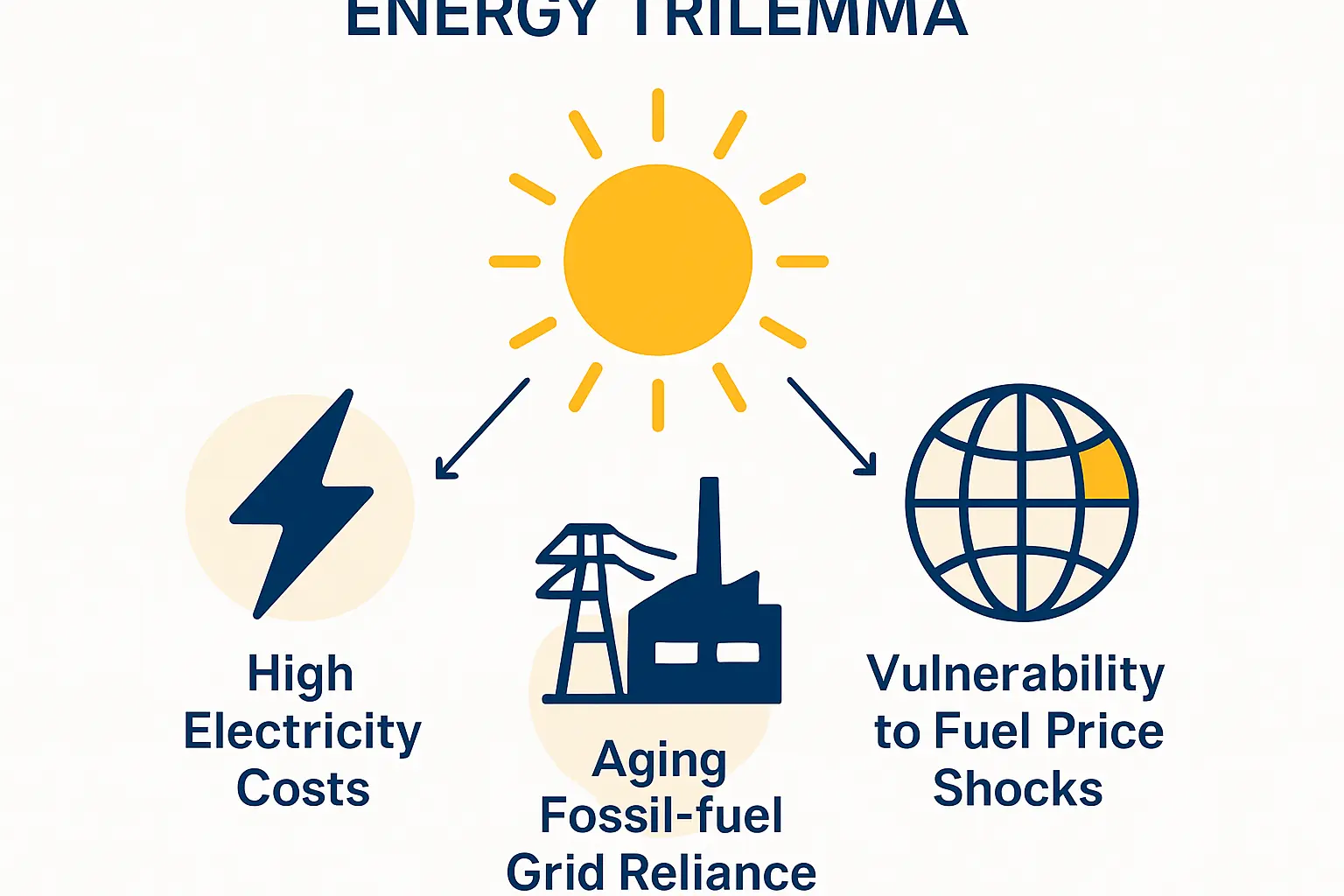
Right now, Antigua and Barbuda gets its electricity the old-fashioned way—burning imported fuel, mostly heavy oil. The Antigua Public Utilities Authority (APUA) controls everything, with the Antigua Power Company (APC) handling the bigger plants. If you’re thinking about plugging into the grid, you’re looking at 400V, 60Hz, but you’ll need to sit down with APUA and have a frank conversation about what it will cost you.
How Reliable Is It, Really?
Here’s where reality bites. The grid here isn’t exactly built for precision manufacturing. Power outages happen, and often. The system loses about 24% of what it generates—basically, a quarter is gone before it gets to you. That’s a major hurdle. Making solar panels isn’t like baking bread; it requires clean, steady power, otherwise production stops and quality slips. The government says they’re modernizing the grid, but if you’re serious, you’ll need your own backup plan—generators, batteries, whatever keeps you running when the grid blinks.
Are Things Getting Greener?
On the bright side, Antigua and Barbuda is promising 100% renewable power by 2030. It’s a big ambition, and you can see real moves, like the “Green Barbuda” project (with its solar PV plant and battery setup) cutting out diesel for good on Barbuda. These are legit efforts with real money behind them. But if you’re setting up soon, remember: the grid is still a work in progress. Betting on renewables here is a long-term play, but the short term will require patience and, most likely, your own backup.
Transportation: Can We Move Stuff In and Out?
You can’t run a factory on an island without solid logistics. Parts in, finished panels out. It sounds obvious, but you’d be surprised how often this trips people up.
The Port—Where Everything Starts
It all comes and goes through St. John’s Port. Back in 2019, over 27,000 containers landed or left through there. If you build a solar plant, every last component—cells, glass, aluminum, the lot—will arrive by ship. Panels for customers? Same story going out. It works, as long as customs clears things fast and workers understand you’re shipping goods that don’t like to be tossed around.
Roads—What Shape Are They In?
Antigua and Barbuda has just over 1,100 kilometers of roads, but don’t expect smooth driving everywhere. Only a third of those roads are paved. The main roads from the port to key spots, like the Free Trade Zone, are fine for trucks. But if your factory needs to move huge machines or unusually big shipments, you’ll need to see those routes in person first. One muddy track can wreck your week.
Air—The Backup Option
We do have V.C. Bird International Airport. Planes aren’t moving most of your goods—it’s way too expensive—but sometimes you need crucial parts flown in, fast. Having that airport nearby is handy insurance.
Telecoms: Does the Digital Backbone Hold Up?
A modern factory needs solid data connections, not just to run machines but to stay plugged into global supply chains.
Is the Internet Up to Scratch?
Honestly, this is one area where Antigua and Barbuda punches above its weight. APUA (INET), Flow, Digicel—take your pick, there’s fast fiber and broadband. Well over half the country is online. Your software, sensors, and machines will have the bandwidth they need.
Is It Reliable?
A strong connection on paper isn’t much help if it conks out. For any serious business, you’re going to want a service level agreement and backup connections. And remember, hurricanes are a fact of life. Your network needs to survive a bad storm, or at least recover quickly enough to keep your factory running.
Land and Facilities: Can You Build Here Without Losing Your Shirt?
Before you even order machines, you need land—preferably with utilities in place and a government that’s happy to see you.
Free Trade & Processing Zone: First Place to Look
The Antigua & Barbuda Free Trade & Processing Zone (FT&Z) is the obvious spot. It’s by the port and airport—smart placement—and already wired for power, water, and internet. The zone offers big perks: no customs on imported materials, tax breaks, and easier paperwork. If you’re making solar panels mainly for export, this setup makes the math work a lot better. You will need to get approval from the FTZ Commission, but it’s usually pretty straightforward.
Other Options
Outside the FT&Z, you’re in for more effort—hunting for land, checking zoning laws, and running through environmental hoops. Not impossible, just slower and with more red tape.
Utility Needs
Besides obvious power and internet, factories need reliable water and a clear waste plan. Don’t assume these are in place everywhere—double-check before you sign anything.
More Factors (and Some Hurdles)
Bricks and wires aren’t everything. Some other things to keep in mind:
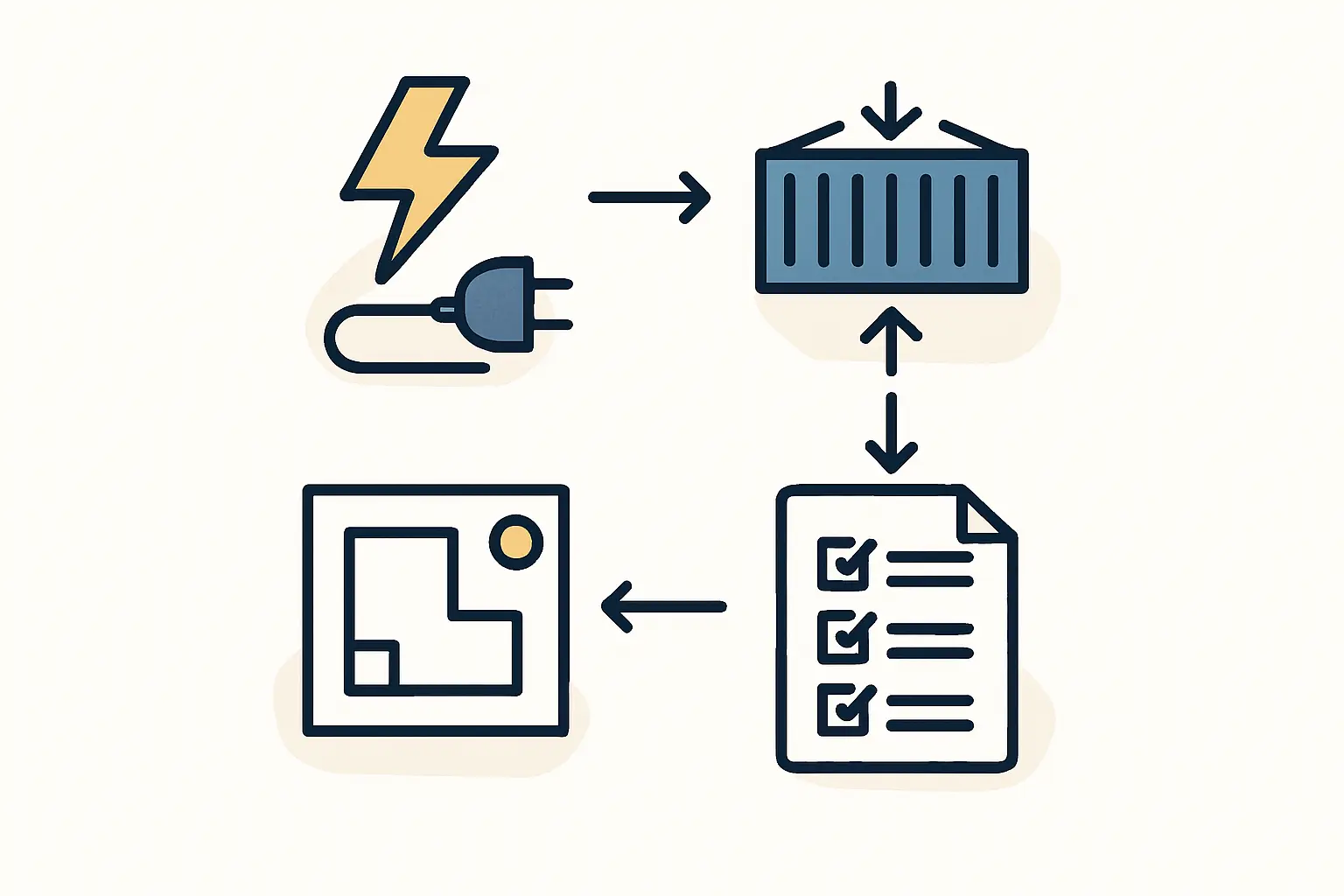
Labor: People matter. You’ll need skilled techs, engineers, and production folks, and you can’t assume you’ll find them ready-made. Budget for real training.
Red Tape: Getting permits and government buy-in matters. Antigua and Barbuda talks a good renewable game, so support should be there. Still, walk the process to spot any traps.
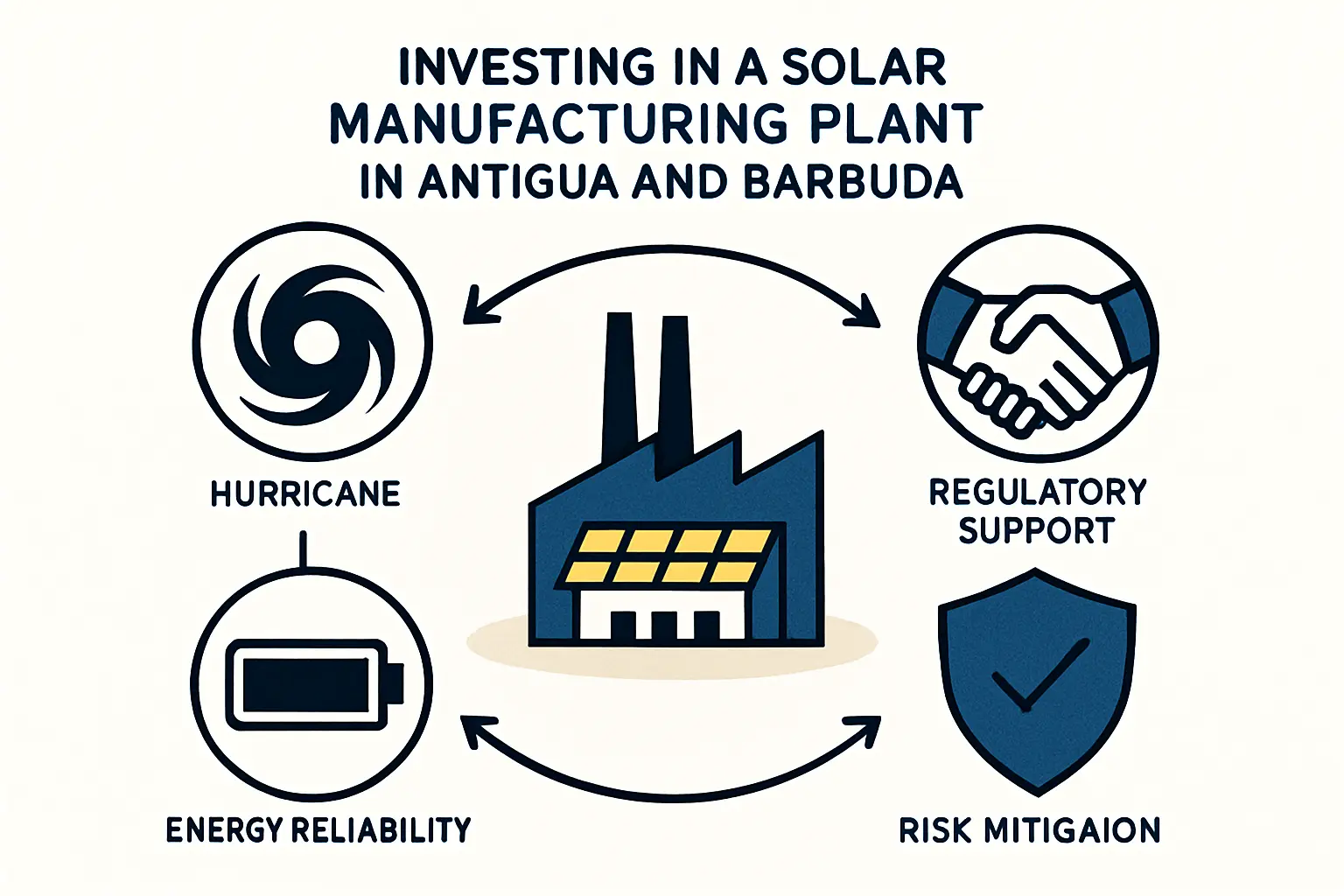
Hurricanes: This isn’t optional. Your plant needs to handle major storms. Look at how Green Barbuda built for resilience—follow that lead.
Local Suppliers: Besides boxes and maybe trucking, plan to import almost everything specialized. Don’t expect to pop down the road for a new batch of solar cells.
Is This Really Going to Work?
So, should you put a solar module factory on the ground here? It’s not a wild idea—but it’s not a slam dunk either.
What’s on Your Side:
- The government push for renewables is real and helpful.
- The Free Trade Zone saves you hassle and money, with power and internet baked in.
- Telecom isn’t a limitation.
- Its Caribbean location opens up the regional export market.
What’s in the Way:
- Electricity is expensive and the grid isn’t reliable.
- Shipping on an island is never simple, and paved roads only go so far.
- The skilled labor market is shallow, so training isn’t optional.
- Most critical parts are coming from overseas. No shortcuts.
Final Thought:
If you come in blind, you’ll lose money and patience. If you do your homework on energy, logistics, and people—and invest to plug the biggest gaps—yes, there’s a real shot for Antigua and Barbuda to build something unique here. But go in clear-eyed, not dreaming.
This isn’t just theory—it comes from digging through research from offgridinstaller.com, newenergyevents.com, pv-magazine.com, NREL, IRENA, and Antigua and Barbuda’s own public sites. The facts speak for themselves. So should your business plan.