Investing in Sunshine: Plain Facts on Solar Manufacturing Incentives in Antigua and Barbuda
Let’s cut to the chase. Antigua and Barbuda isn’t just about beaches and turquoise water. Something bigger is going on—a push to run the country on solar power, and the government is making it straightforward for investors to get on board.
The government’s goal is clear: reduce reliance on imported oil and gain energy independence. To achieve this, they are actively encouraging the setup of solar businesses, particularly factories that build solar panels.
 Solar Manufacturing in Antigua and Barbuda
” class=”wp-image-33966″ srcset=”https://www.pvknowhow.com/wp-content/uploads/2025/07/Government-Incentives-and-Financial-Support-for-Solar-Manufacturing-in-Antigua-and-Barbuda-1.webp 1536w, https://www.pvknowhow.com/wp-content/uploads/2025/07/Government-Incentives-and-Financial-Support-for-Solar-Manufacturing-in-Antigua-and-Barbuda-1-500×333.webp 500w, https://www.pvknowhow.com/wp-content/uploads/2025/07/Government-Incentives-and-Financial-Support-for-Solar-Manufacturing-in-Antigua-and-Barbuda-1-1024×683.webp 1024w, https://www.pvknowhow.com/wp-content/uploads/2025/07/Government-Incentives-and-Financial-Support-for-Solar-Manufacturing-in-Antigua-and-Barbuda-1-768×512.webp 768w, https://www.pvknowhow.com/wp-content/uploads/2025/07/Government-Incentives-and-Financial-Support-for-Solar-Manufacturing-in-Antigua-and-Barbuda-1-600×400.webp 600w” sizes=”auto, (max-width: 1536px) 100vw, 1536px” />
So, if you’re considering solar manufacturing and looking for a government that will actually back you, here’s what’s on the table. No gloss, no hype—just the details you need.
Table of Contents
Antigua and Barbuda’s Goal: Go Big on Solar
They aren’t just dabbling in renewables. The plan is to generate up to 86% of electricity from renewable sources by 2030. With their abundant sunshine, solar is the obvious focus.
This isn’t just about ‘helping the planet’—it’s a practical economic strategy. The focus is on achieving energy independence, reducing exposure to volatile oil prices, and strengthening the local economy by creating a more diverse industrial base.
This level of government commitment is crucial for investors. It signals that they aren’t going to pull the rug out from under you. This isn’t just lip service; they’re actively encouraging local solar manufacturing.
Transform your solar ambition into reality.
Whether you need practical help from our Services or advanced insights from our Premium Course, we’re here to guide you.
Policy Framework: Here’s the Backbone
Ambitious targets don’t mean much without rules and policies to back them up. Antigua and Barbuda has those in place.
National Energy Policy (NEP)
Initially established in 2011, the NEP provided the foundational roadmap for using local renewable resources to reduce costly fuel imports. While its original goals were modest, the policy has evolved with more ambitious targets in response to climate change and the proven viability of renewable energy.
Renewable Energy Act 2015
This law put real muscle behind the push for renewables. In simple terms, the law:
Ready to make big Profits?
The solar Industry is Booming
WE HELP NEWCOMERS to the solar industry start their own solar module production line. Customers can make BIG PROFITS by selling modules and finding investors, without wasting money and time on things they don't need!
- Makes renewable energy a core part of the national plan.
- Sets clear rules for developing and regulating new projects.
- Creates a Renewable Energy Fund to back projects with real money.
- Provides actual incentives for producing and using renewables.
And for manufacturers? The Act isn’t vague. For instance, it offers a two-year break from the Antigua and Barbuda Sales Tax (ABST) for registered renewable energy projects, and that includes manufacturing.
Financial Incentives: What’s in It for You
This is where things get serious for investors. Here’s what the government puts on the table for solar manufacturing.
Tax Holidays
The Antigua and Barbuda Investment Authority (ABIA) allows you to negotiate a significant income tax break. The duration depends on your project’s size and impact, but it can mean several years with no corporate tax.
Import Duty Waivers
You don’t pay import duties on your machinery, equipment, spare parts, or raw materials. For a manufacturer, this can knock a huge chunk off your setup costs.
ABST (Sales Tax) Exemptions
On top of the income tax break, the 2015 Act provides a two-year sales tax exemption for registered projects. This can apply to what you import and sometimes even what you sell. If you’re building a new facility, you can often negotiate for more, such as breaks on construction materials.
Property Tax Cuts
Setting up in an industrial park or other preferred areas can earn you solid reductions on local property tax.
Grants and Cheaper Loans
Renewable Energy Fund
Established by the 2015 Act, this fund often supports energy generation projects. However, if your manufacturing project increases local capacity, there’s a decent shot at support—especially if you can show clear alignment with national objectives.
Development Bank Funding
The country works closely with regional and international development banks. Don’t expect handouts, but low-interest loans and potential partnership funding are both realistic options.
Openness to Foreign Investors
Antigua and Barbuda wants foreign investment in solar and is open about it. The ABIA is your main point of contact.
- Investment is protected by local laws and a stable democracy.
- You can repatriate profits without jumping through excessive hoops.
- For major projects, you can usually negotiate a custom package of incentives.
Practical Support: What You Get Beyond Money
Financial help is only half the story. The government has also worked to clear the path on logistics and infrastructure.
- Industrial Parks and Economic Zones: These dedicated areas have basic infrastructure, so you don’t have to waste months setting up water, power, or site works.
- Land: The ABIA will help you find suitable land, sometimes at better rates for strategic projects.
- Workforce: The government supports training locals for specific skills—colleges might even create joint programs with you.
- Streamlined Permitting: You’ll get guided help through the permitting process, which is designed to be as painless as possible.
Is This All Just Talk? What’s Been Done
To be clear, large-scale solar panel manufacturing hasn’t landed here yet. But the government has delivered on installing solar capacity, with projects funded by international partners like the UAE and the UK. Those projects went up, are producing power, and have been considered successful. So, while you’d be an early mover in manufacturing, the precedent for supporting renewables is real.
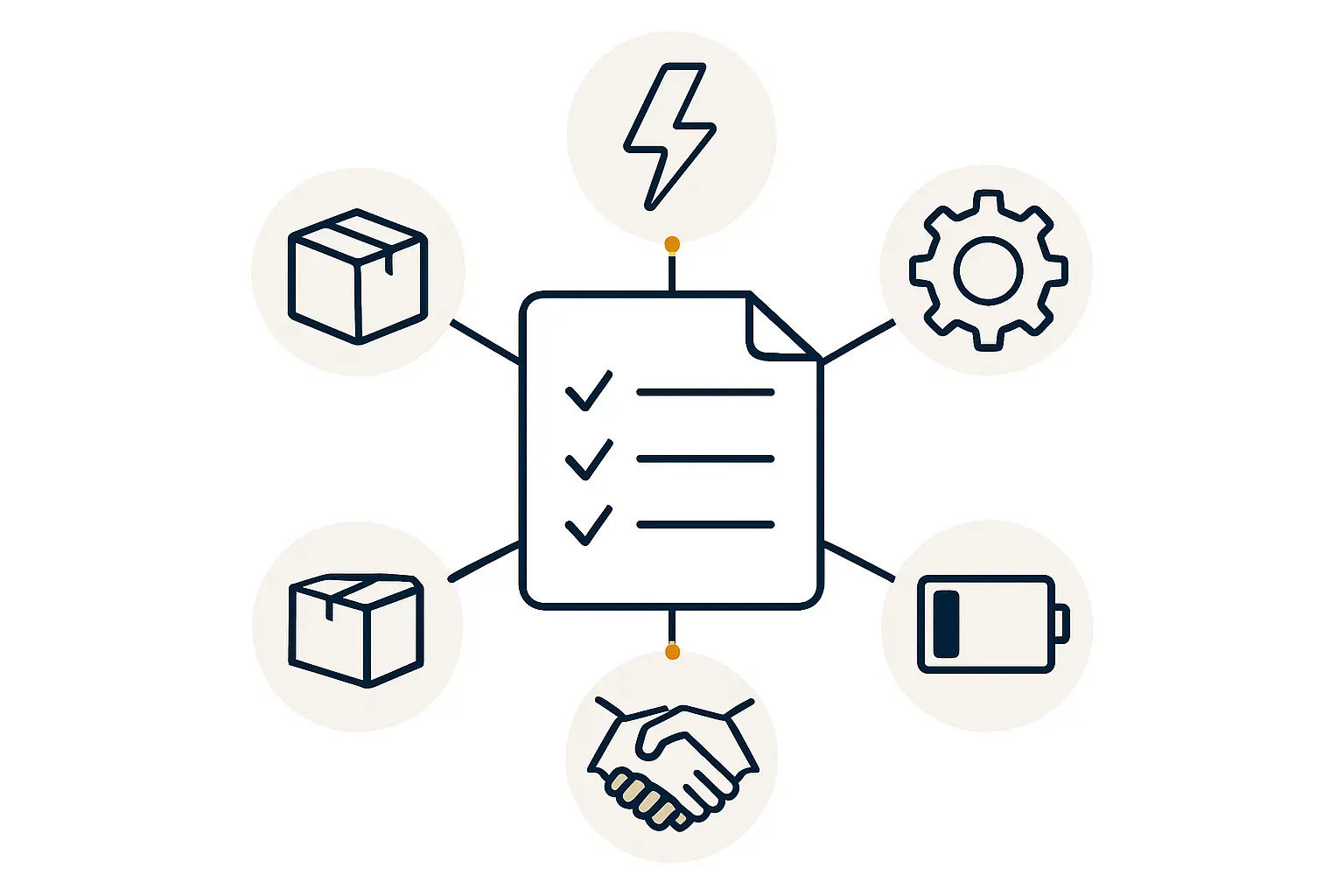
Steps to Actually Get Started
Here’s how to make this happen if you’re serious:
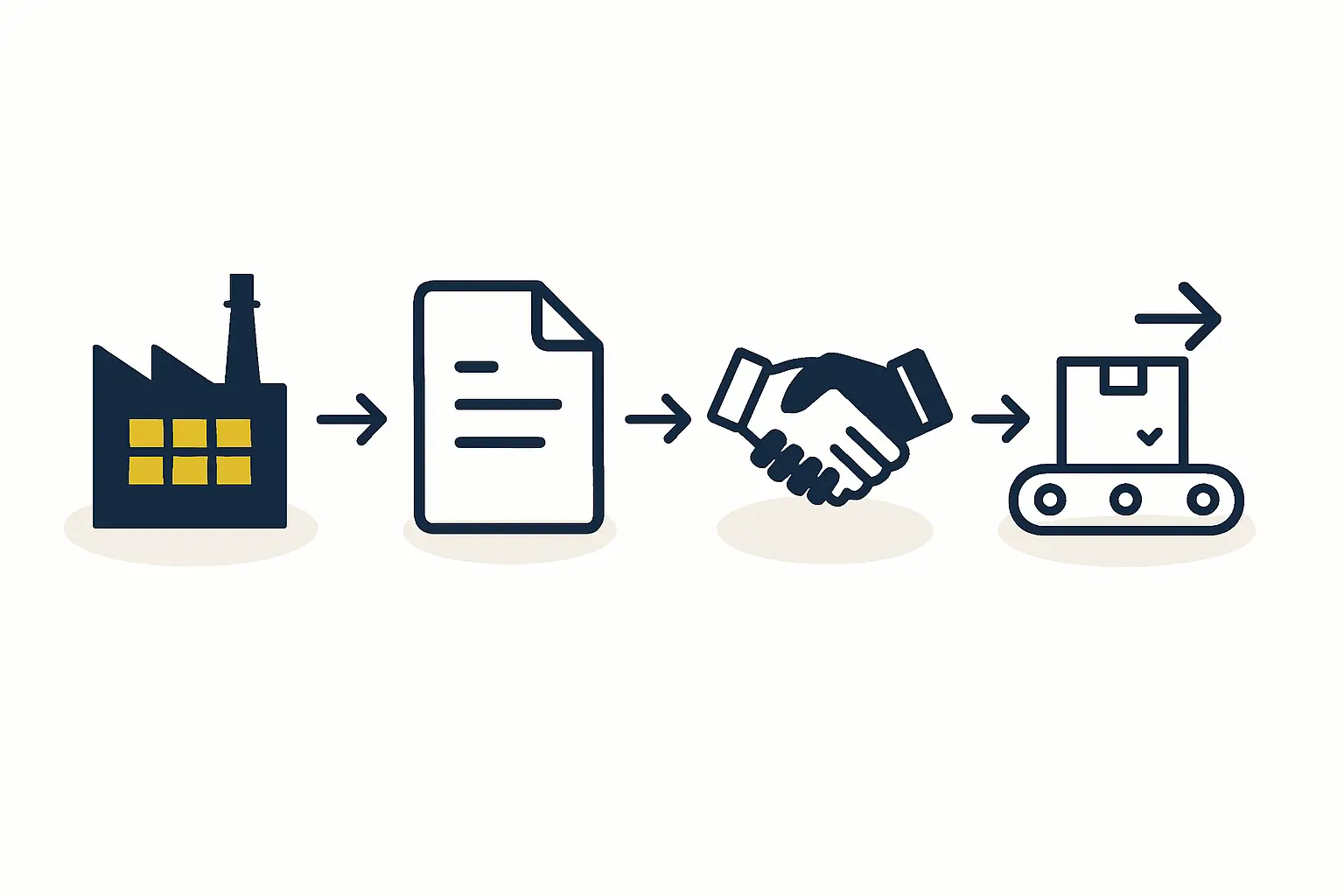
- Contact the ABIA: This is your primary point of contact for any new investment proposal.
- Present a Solid Business Plan: Clearly outline the scale of your project, the number of jobs it will create, and its expected economic and environmental benefits.
- Negotiate Your Incentives: Work directly with the authority to build a custom incentive package that includes tax breaks, duty waivers, and other forms of government support.
- Formalize the Agreement: Once terms are agreed upon, the ABIA will guide you through applying for the necessary permits and licenses.
What does the government care about?
- Investment size and job creation.
- Whether you’re using modern, clean manufacturing tech.
- Export potential.
- Alignment with the country’s green vision.
The Real Reasons to Look at Antigua and Barbuda
Sure, incentives matter. But there are other practical reasons this location makes sense.
- Location: Strategic position in the Eastern Caribbean with access to the whole region.
- Political stability: No wild swings that make business planning impossible.
- Genuine government support for renewables.
- The local and regional solar markets are growing, creating a built-in demand pipeline.
- The workforce is educated and trainable.
- To state the obvious: your staff probably won’t complain about the location.
Points to Watch
No place is perfect. You need to plan for:
- Island logistics. Moving materials in and products out takes careful planning and can add to your costs.
- Export focus. Local sales are fine to start, but your long-term plan will need to target the wider region.
- Skills. You may need to help get the local workforce up to speed with specialized manufacturing processes.
- Weather. Build your factory to withstand a hurricane. The government takes this seriously—and so should you.
Conclusion: Is This for You?
Antigua and Barbuda is clearly going big on solar, and it wants manufacturers to be part of that vision. If you’re ready to get ahead of the crowd, the groundwork is there: solid policies, tangible incentives, and a stable environment.
You won’t just be running a factory; you’ll be helping build a new economic sector and a cleaner future. The government welcomes investment and is prepared to support your project.
FAQs
Who do I contact first?
The Antigua and Barbuda Investment Authority (ABIA). No one else will move your project forward as effectively as they will.
Any specific perks for exporting?
There aren’t direct ‘export grants,’ but tax breaks and import duty waivers help make your products more competitive for export. Regional trade deals—especially within CARICOM—also give you easier access to Caribbean markets.
So how does the Renewable Energy Act 2015 help me?
It provides real, specific benefits: two years off the ABST sales tax, access to grants and loans, and it demonstrates the government’s long-term commitment to the sector, reducing the risk that support will be withdrawn.
Are there already solar panel factories there?
No, not yet. Solar installations are happening across the islands, but you would be ahead of the curve on the manufacturing side.
Can I own 100% of my factory as a foreigner?
Yes, for the most part. The manufacturing sector is open to 100% foreign ownership. ABIA can walk you through the setup process.
What about local workforce training?
The government is open to setting up partnerships, and even creating tailored college programs, to help you train workers. You may be able to build this support into your overall investment deal.
Sources:
Cited Sources
- Antigua and Barbuda Renewable Energy Act, 2015 (laws.gov.ag, climate-laws.org, fao.org)
- Antigua and Barbuda National Energy Policy (NEP) (oas.org, ccreee.org)
- Climate Tracker Caribbean – “Energy Independence or Extinction? Antigua and Barbuda at a Crossroads.” (climatetrackercaribbean.org)
- Off Grid Installer – “Off-Grid Solar in Antigua and Barbuda.” (offgridinstaller.com)
- PV Magazine – “Hurricane-resistant hybrid solar plant inaugurated on Antigua and Barbuda.” (pv-magazine.com, UAE-CREF project)
- Info from the Antigua and Barbuda Investment Authority (ABIA) and government portals on investment incentives