Market Analysis: The Demand for Bahrain-Made Solar Panels in the GCC
The Gulf Cooperation Council (GCC) region is undergoing a significant energy transformation, driven by ambitious national visions and the falling cost of renewable technology. As nations diversify away from hydrocarbons, solar power has emerged as a central pillar of their future energy strategies.
For investors and entrepreneurs, this shift presents a substantial opportunity, with Bahrain offering a unique, strategic entry point into this burgeoning market. This analysis explores the market dynamics for solar panels manufactured in Bahrain, examining both domestic demand and the strong export potential to neighboring GCC countries.
Table of Contents
Thinking about solar?
Learn the ropes with our free e-course or receive personalized guidance from our specialized services. Let us help you achieve a seamless and successful solar setup.
Bahrain’s National Vision for Renewable Energy
Bahrain’s commitment to clean energy is outlined in its National Renewable Energy Action Plan (NREAP) and is a key component of its broader Economic Vision 2030. The government has set clear, ambitious targets that directly drive domestic demand for solar technology.
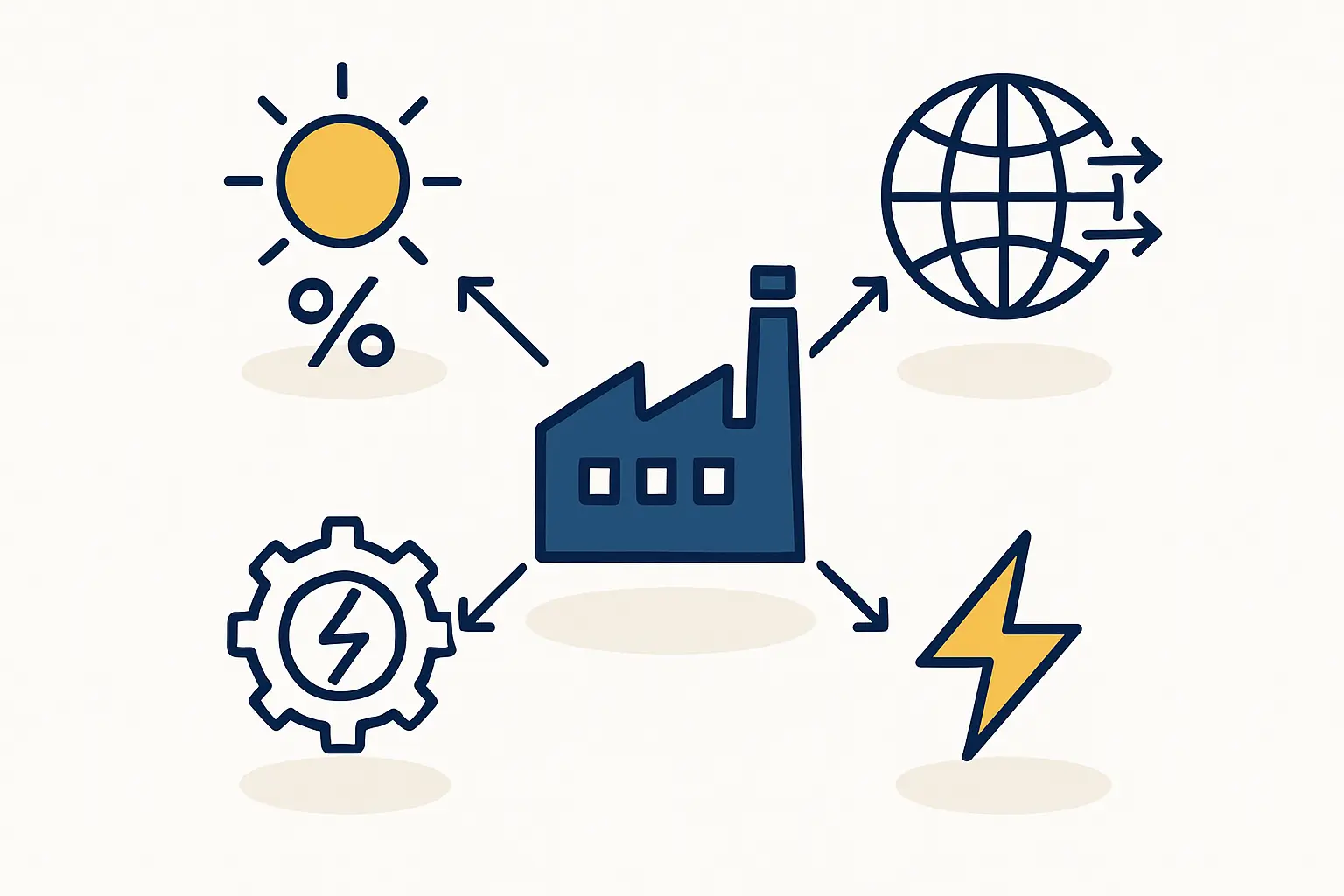
The NREAP mandates that renewables account for 5% of the country’s total energy consumption by 2025, a figure set to rise to 20% by 2035. To meet these goals, Bahrain needs to install approximately 280 MW of renewable capacity by 2025 and 710 MW by 2035.
These state-led targets create a predictable, growing domestic market for solar panels and related equipment, providing a stable foundation for local manufacturing.
The Strategic Advantage of Local Manufacturing
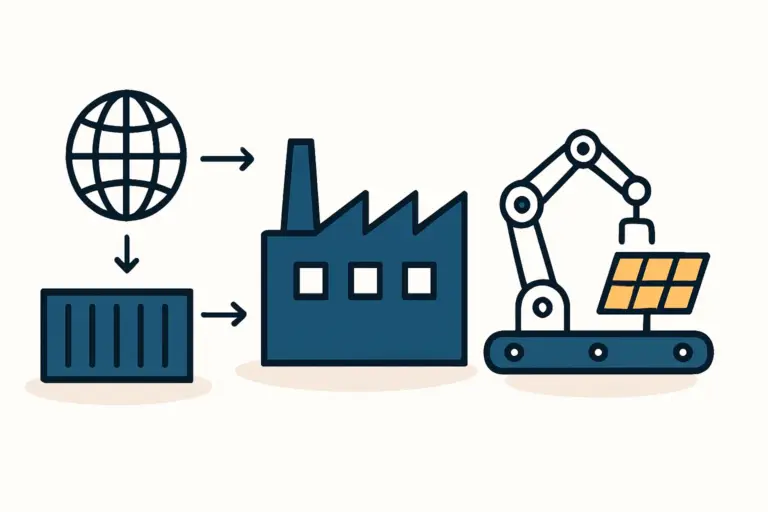
Until recently, Bahrain, like its neighbors, relied exclusively on imported solar panels. This began to change with the establishment of Solar One, the country’s first solar panel manufacturing facility. With a production capacity of 60,000 panels per year—equivalent to around 15 MW—the facility marks a pivotal step toward building a local renewable energy supply chain.
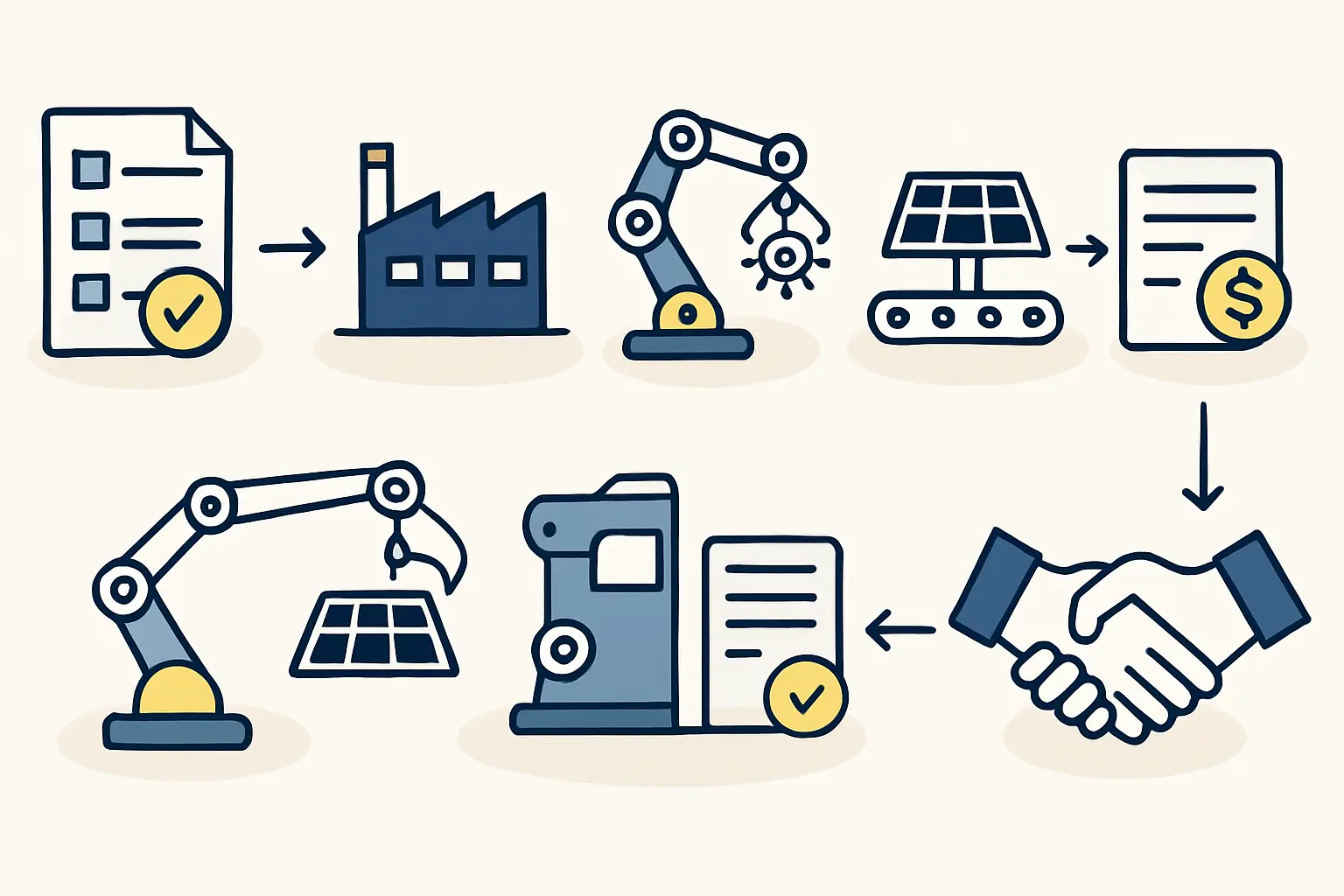
For projects within Bahrain, the benefits of local manufacturing are clear:
- Reduced Costs: Eliminating international shipping fees and import tariffs makes locally produced panels more competitive on price.
- Faster Delivery: A local supply chain drastically shortens lead times, allowing projects to be completed faster.
- Local Support: Having a manufacturer in-country simplifies technical support, warranty claims, and communication.
These advantages make a strong case for sourcing panels domestically for Bahrain’s own solar projects, from large-scale farms to commercial rooftop installations.
The GCC Solar Market: A Multi-Billion Dollar Opportunity
The true scale of the opportunity, however, extends far beyond Bahrain’s borders. The entire GCC region is investing heavily in solar power, creating a vast export market.
The GCC solar PV market is projected to grow from USD 4.8 billion in 2024 to USD 12.6 billion by 2032, fueled by rising electricity demand, government decarbonization goals, and the region’s world-class solar irradiation levels.
Key export markets for Bahrain-made panels include:
- Saudi Arabia: The Kingdom’s Vision 2030 plan, with its multiple giga-projects and a target of generating 50% of its energy from renewables by 2030, creates an immense and sustained demand for solar modules.
- United Arab Emirates: As a mature solar market, the UAE continues to develop large-scale projects under its Energy Strategy 2050. It remains a major consumer of solar panels.
- Other GCC Nations: Kuwait, Oman, and Qatar are also expanding their solar capacity to meet their own clean energy targets.
Export Potential: Why the GCC Needs a Regional Supplier
Manufacturing solar panels in Bahrain offers distinct advantages for buyers across the GCC.
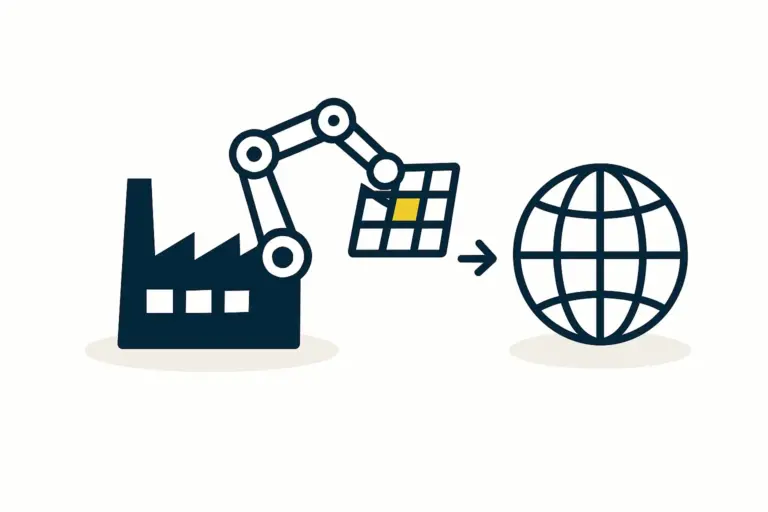
As a member of the GCC, Bahrain enjoys tariff-free trade with other member states. This enables panels to be exported to Saudi Arabia, the UAE, or Kuwait without the import duties applied to modules from China, Europe, or other parts of the world.
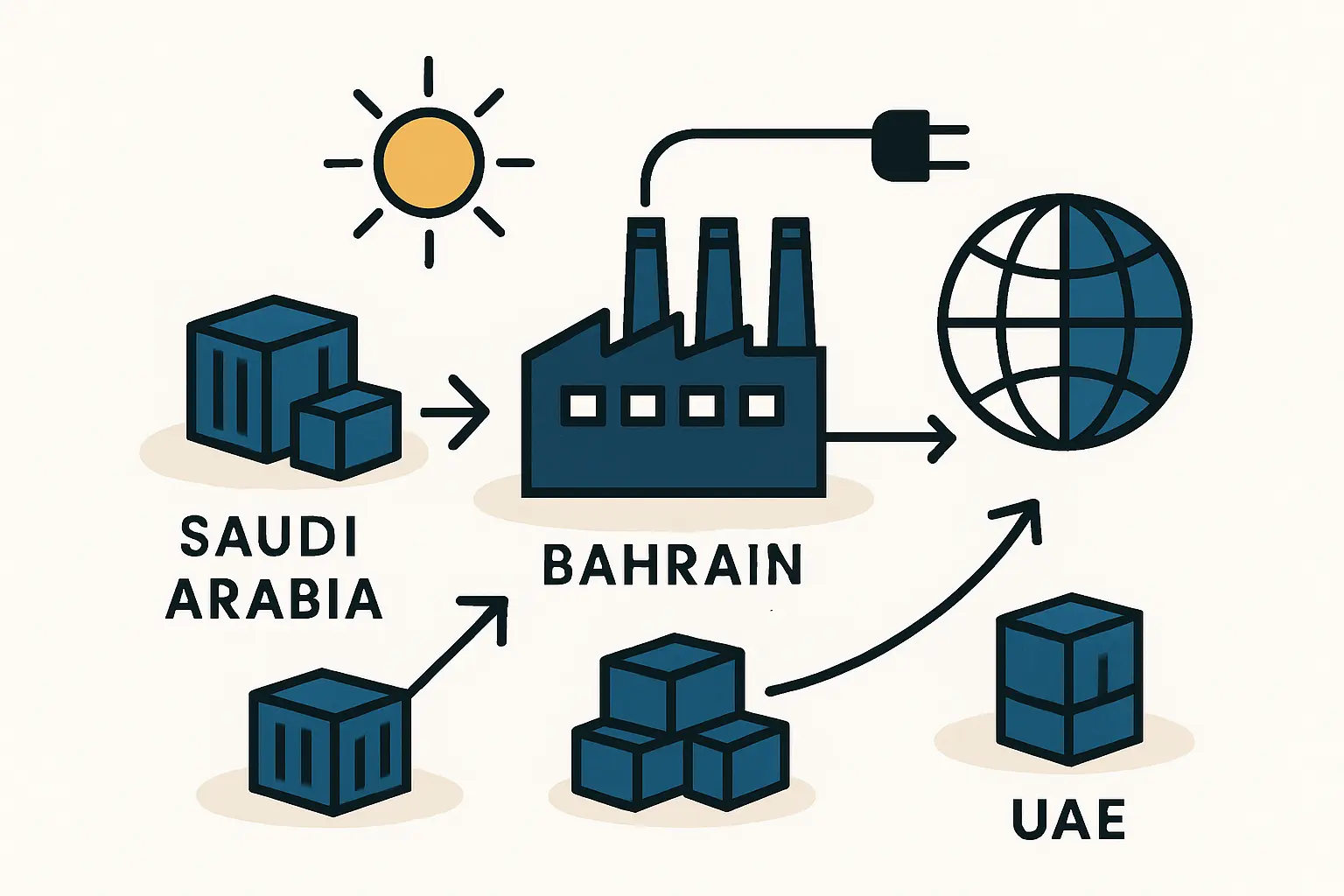
This arrangement creates a powerful value proposition:
- Logistical Efficiency: Shipping from Bahrain to other GCC countries is faster and cheaper than from Asia or Europe.
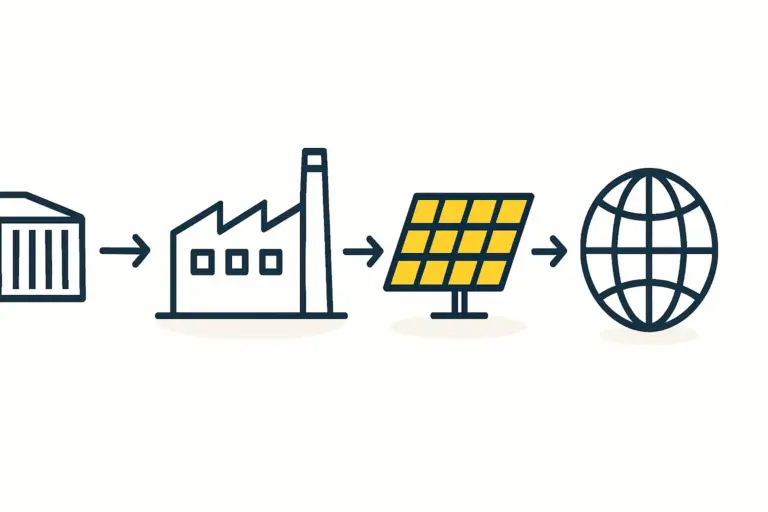
- Supply Chain Security: Developing a regional supply chain reduces dependence on distant manufacturers and protects against global shipping disruptions.
- Regional Alignment: Sourcing from a GCC partner supports the region’s collective goal of economic diversification and industrial development.
A Bahrain-based factory is therefore well-positioned to serve as a reliable, cost-effective supplier for the entire region’s solar boom.
Addressing Regional Challenges and Opportunities
Operating in the GCC comes with unique environmental and technical challenges. High ambient temperatures, dust accumulation, and humidity can all affect the performance and lifespan of solar panels. A local manufacturer is uniquely positioned to understand these conditions and develop modules specifically optimized for the regional climate.
While competition from large international manufacturers is strong, a Bahrain-based producer can compete effectively by focusing on its regional advantages, such as lower logistical costs, faster delivery, and products tailored to the local environment. Further opportunities also lie in specialized areas like Building-Integrated Photovoltaics (BIPV) and floating solar installations, which are gaining traction across the region.
Ultimately, the combination of strong domestic demand and unparalleled access to the booming GCC market makes Bahrain a compelling hub for solar panel manufacturing. For entrepreneurs and investors, it represents a chance to build a business that can power not just a nation, but an entire region.
Frequently Asked Questions (FAQs)
What are Bahrain’s official renewable energy targets?
Bahrain aims to source 5% of its energy from renewables by 2025 and 20% by 2035, requiring approximately 280 MW and 710 MW of capacity, respectively.
Is there a solar panel factory in Bahrain?
Yes. Solar One is Bahrain’s first solar panel manufacturing facility, with an annual production capacity of 15 MW.
What are the main advantages of buying Bahrain-made panels for a project in a neighboring GCC country?
The primary advantages are cost and speed. Tariff-free trade within the GCC eliminates import duties, while regional shipping is significantly faster and cheaper than sourcing panels from Asia or Europe.
What are the key challenges for solar projects in the GCC?
The main challenges are environmental factors like high heat and dust, which can reduce panel efficiency and require frequent cleaning. Grid modernization is also necessary to handle the variable input from large-scale solar farms.