While an entrepreneur planning a solar panel factory in Belize will naturally focus on land acquisition, shipping logistics, and securing capital, a less obvious factor is often just as critical to operational success: the reliability and cost of the local power supply.
The very machinery used to produce clean energy technology is a major consumer of electricity. A stable, predictable power source isn’t a luxury—it’s the lifeblood of the manufacturing line.
This guide provides prospective investors with an essential analysis of Belize’s power infrastructure, exploring the national grid’s structure, typical energy costs, and common reliability challenges. A firm grasp of these factors is essential for creating a realistic business plan and ensuring your factory can operate efficiently from day one.
Table of Contents
The Structure of Belize’s National Electricity Grid
Belize Electricity Limited (BEL) is the primary utility responsible for generating, transmitting, and distributing electricity across the country. It operates a relatively small, interconnected grid that faces unique geographical and infrastructural challenges.
A key feature of Belize’s grid is its connection to Mexico’s Comisión Federal de Electricidad (CFE). This international link is vital for supplementing local generation and meeting peak demand, but it also introduces external variables. Any instability or supply adjustments from the CFE can have a direct impact on Belize.
The grid’s infrastructure is also vulnerable to the region’s climate, particularly hurricanes and tropical storms that can cause significant disruptions. For a business dependent on continuous manufacturing, these potential outages represent a major operational risk that must be addressed during planning.
Belize’s Energy Mix and Its Implications
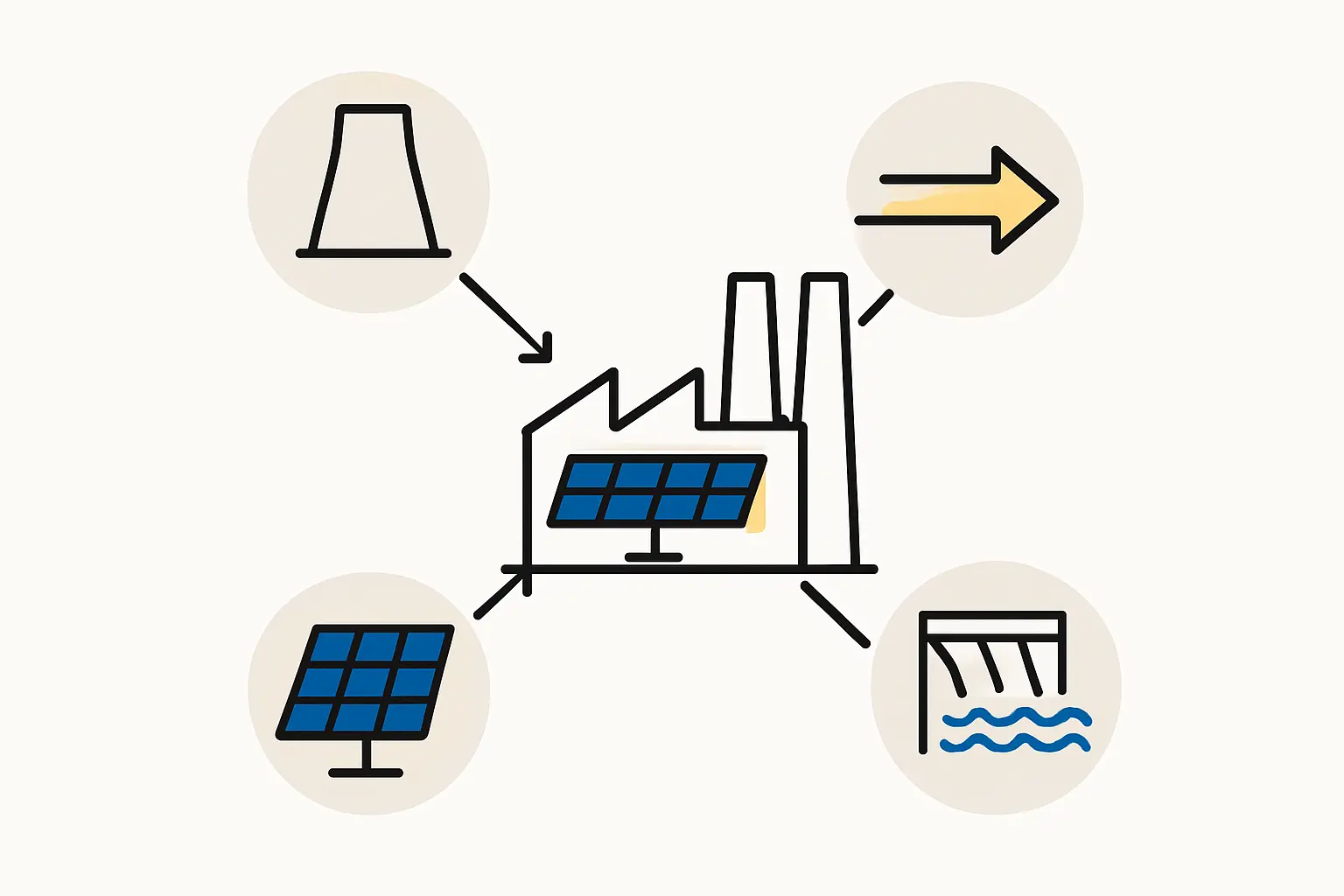
Understanding power reliability and cost begins with the sources of generation. Belize’s energy mix is a blend of domestic renewable resources and imported, fossil-fuel-based power.
According to BEL data, about 51% of the country’s electricity comes from renewable sources, primarily hydroelectric dams and biomass facilities. The remaining 49% is sourced from fossil fuels and imports from Mexico.
This diverse mix carries several implications for a solar factory owner. While the high share of renewables is environmentally positive, hydroelectric output can fluctuate with seasonal rainfall. Meanwhile, a dependence on imported power means pricing and availability are subject to international agreements and external grid conditions. For an investor, this volatility underscores the need for a robust energy strategy and is a key part of evaluating the overall business environment in Belize for solar manufacturing.
Analyzing Energy Costs for Industrial Operations
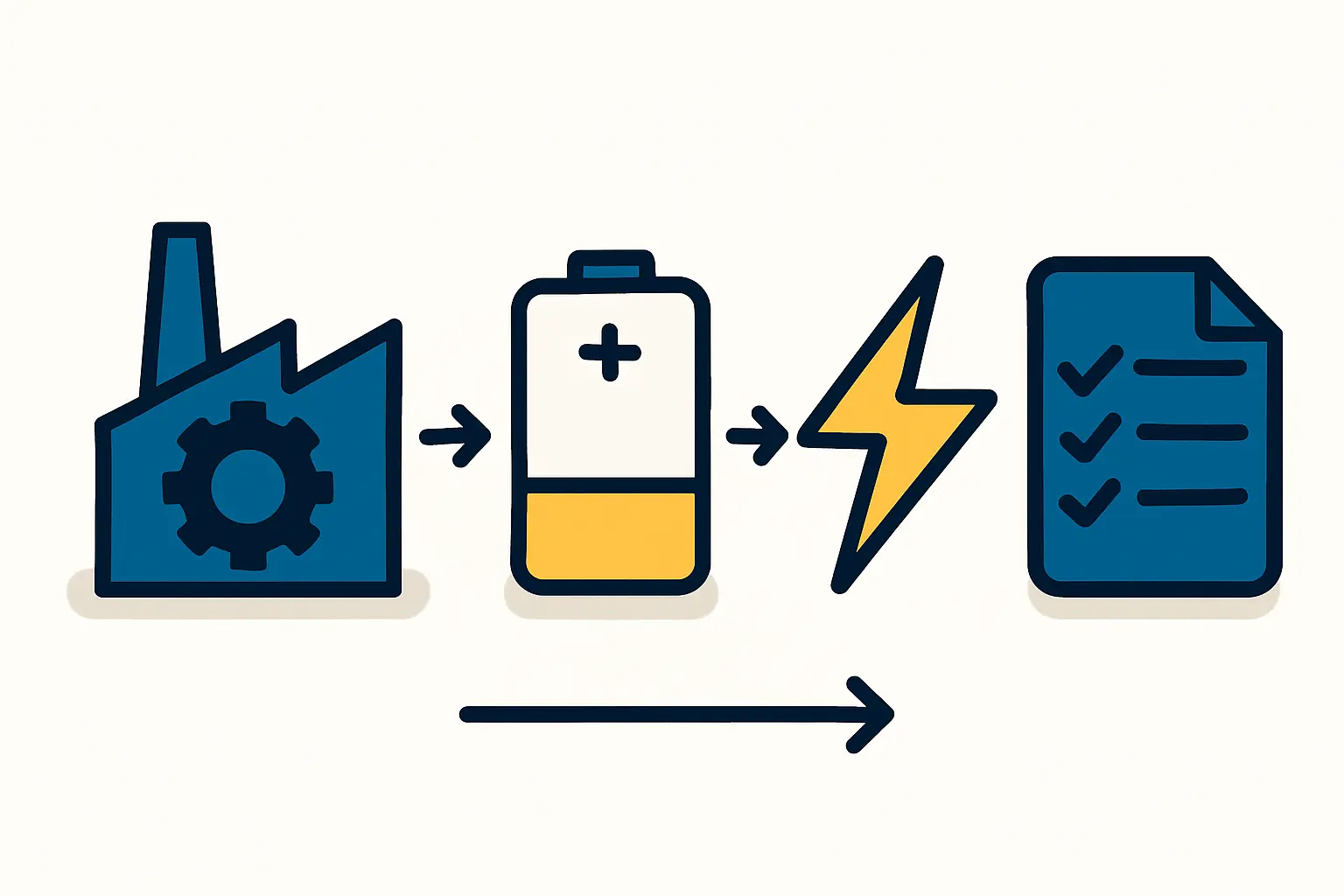
A solar panel factory is an energy-intensive operation. Lamination machines, cell stringers, and testing simulators all consume substantial electricity, which makes the local industrial tariff structure a critical component of your factory’s operational expenditure (OPEX).
Industrial electricity tariffs in Belize, set by BEL, typically range from US$0.20 to US$0.22 per kilowatt-hour (kWh). On top of this consumption charge, industrial users may also face demand charges based on the peak amount of power drawn from the grid at any one time.
For example, starting up several large machines at once could create a high peak demand, leading to higher monthly bills. These costs must be carefully modeled in your financial projections, as the energy consumption of your chosen solar panel manufacturing equipment will directly influence your production cost per panel and, ultimately, your market competitiveness.
Mitigating Power Supply Risks: Backup and Redundancy
Given the grid’s vulnerability to weather and supply fluctuations, relying solely on the public utility for 100% uptime is not a viable strategy for a serious manufacturing operation. Unplanned production stoppages can lead to wasted materials, missed deadlines, and significant financial losses.
The standard solution is to integrate a backup power system into the factory design. For most industrial applications in Belize, this means investing in one or more diesel generators.
Experience from J.v.G. Technology’s turnkey projects in regions with developing grids shows that planning for backup power is a non-negotiable part of the initial factory design. It should be treated as a core component of the essential factory infrastructure, not an optional add-on. The capital expenditure for the generator and the ongoing costs for fuel and maintenance must be included in the business plan from the outset. This foresight transforms a potential crisis into a manageable operational variable.
Frequently Asked Questions (FAQ)
Q: What is the average cost of industrial electricity in Belize?
A: The rate for industrial consumers is approximately US$0.20–$0.22 per kWh, plus potential demand charges and other fees depending on the specific tariff structure.
Q: How frequent are power outages in Belize?
A: Power outages can be frequent, caused by weather, equipment maintenance, or issues with the supply from Mexico. While BEL works to maintain stability, businesses with critical operations should plan for regular disruptions.
Q: Is a backup generator truly necessary for a solar factory?
A: Yes. For any serious industrial operation where production uptime is critical, a reliable backup power source like a diesel generator is an essential investment to prevent costly downtime.
Q: Can a solar factory power itself with its own solar panels?
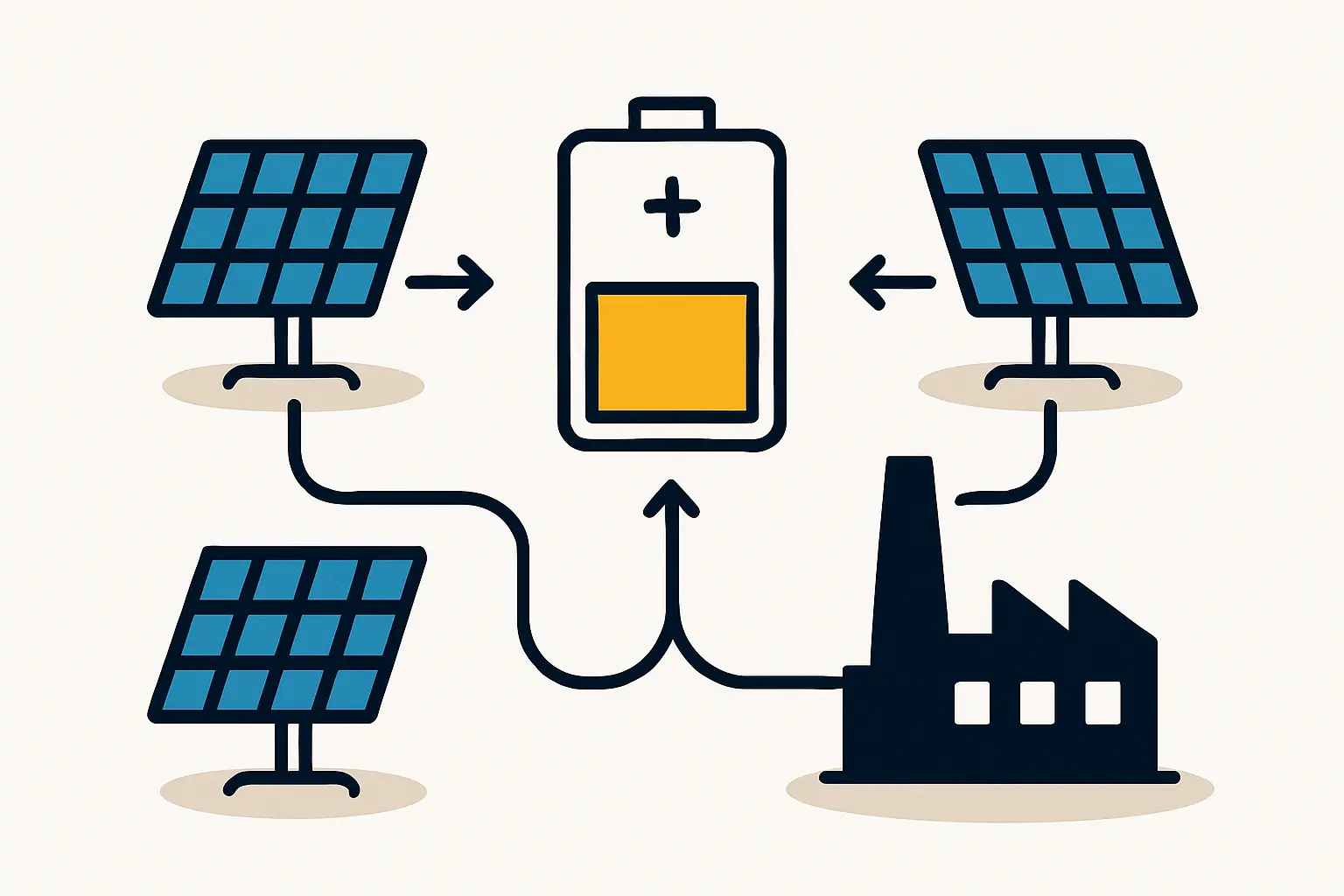
A: While theoretically possible, it isn’t practical for most manufacturing startups. Powering an entire factory’s heavy machinery 24/7 would require an extremely large solar array and a massive, cost-prohibitive battery storage system to ensure continuous power through the night and on cloudy days.
Q: How does energy cost affect the price of my finished solar modules?
A: Energy is a direct production cost, similar to raw materials and labor. Higher electricity costs will increase the cost to manufacture each solar panel, which can impact your final selling price and profit margins. Accurate energy cost forecasting is vital for a competitive business model.
Conclusion and Next Steps
Belize is a promising location for solar manufacturing, driven by its strategic position and growing interest in renewable energy. However, a successful venture requires a clear-eyed assessment of the local operating environment.
The national power grid, with its unique mix of sources and reliability challenges, will directly influence your factory’s efficiency and profitability. By understanding the tariff structure, acknowledging the risk of outages, and proactively planning for backup power, an entrepreneur can effectively mitigate these risks.
This careful preparation is the foundation on which a resilient and successful manufacturing business is built.