It seems paradoxical: a nation that exports up to 80% of its electricity sometimes needs to import power to meet domestic demand. Yet this is precisely the situation in Bhutan, where the energy grid is powered almost entirely by immense hydropower resources.
While this power is abundant and low-cost for much of the year, the country’s reliance on it creates a critical seasonal vulnerability.
This vulnerability, however, also presents a strategic opportunity. For entrepreneurs in the solar industry, Bhutan’s energy dynamic makes a powerful business case not just for solar generation, but for solar manufacturing. This analysis explores the technical and business logic behind establishing a solar module factory within a hydropower-dominated grid, using Bhutan as a prime example of this synergy and its long-term potential.
Table of Contents
Understanding Bhutan’s Unique Energy Landscape
Bhutan’s geography has blessed it with extraordinary hydropower potential. With an installed capacity of roughly 2,335 MW and a domestic peak demand of only 440 MW, the country produces a massive energy surplus. This surplus is a cornerstone of the national economy, as 75-80% of all electricity generated is exported, primarily to India.
This strength, however, conceals a significant challenge: extreme seasonal variability. The Himalayan rivers that feed the hydropower plants depend on summer monsoon rains and glacial melt. During the dry, cold winter months, river flows can decrease by as much as 70-80%. As a result, electricity generation plummets, forcing this energy-exporting nation to become an energy importer just to cover its own deficit.
This dependence on a single energy source is further complicated by the long-term risks that climate change poses to glacial stability. In response, Bhutan’s government has prioritized economic and energy diversification, creating a favorable environment for strategic investments in complementary technologies.
The Strategic Role of Solar in a Hydro-Centric Grid
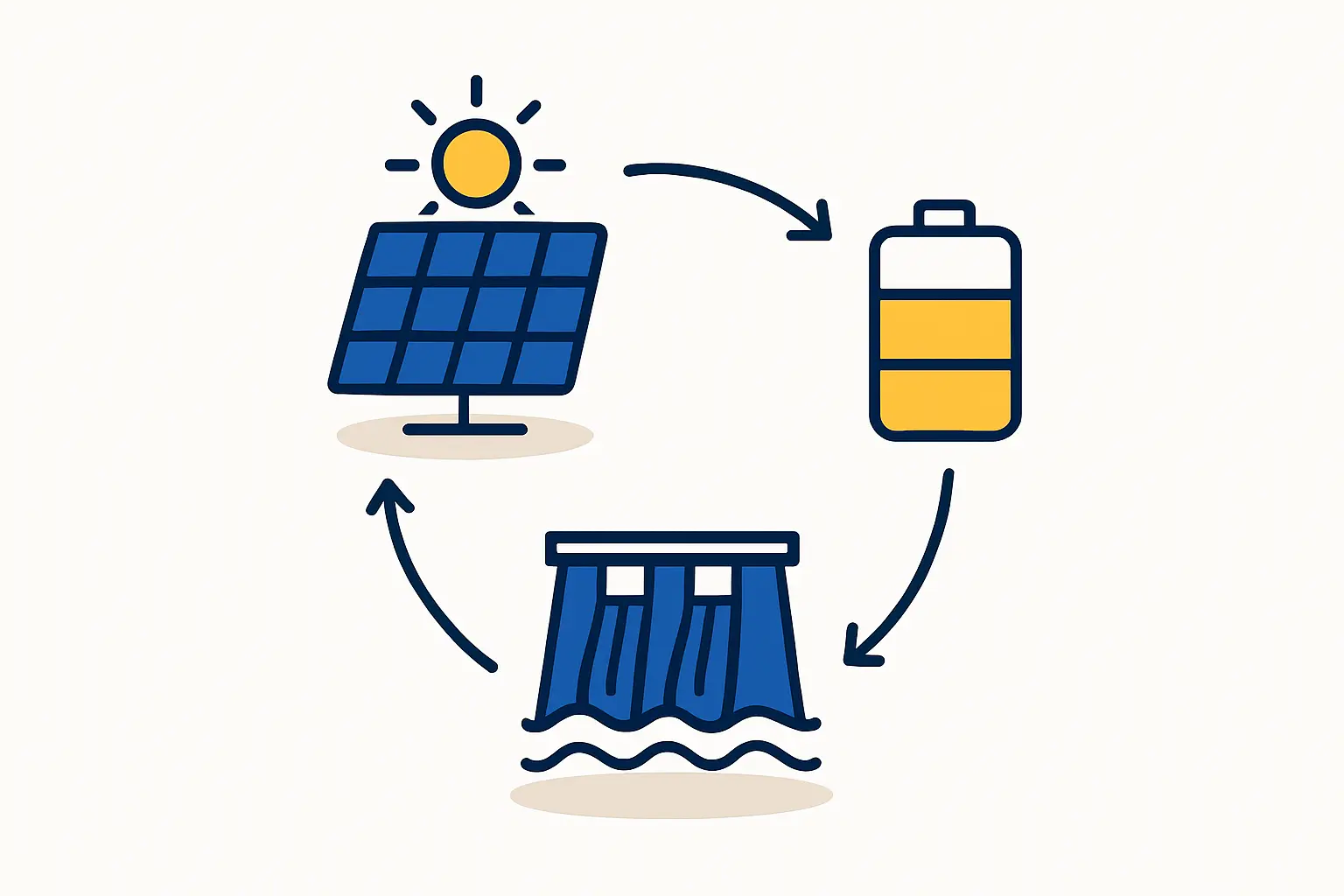
The solution to hydropower’s seasonal deficit lies in a technology with an opposite seasonal pattern: solar photovoltaics. Bhutan’s dry winter, which cripples hydro generation, is also characterized by clear, sunny skies—the ideal conditions for peak solar panel performance.
This creates a near-perfect energy synergy:
- Summer (Wet Season): Hydropower generation is at its peak, easily covering domestic demand and maximizing export revenue while solar provides complementary power.
- Winter (Dry Season): Hydropower generation is at its lowest. Solar generation, conversely, reaches its peak, directly offsetting the hydro deficit and reducing the need for costly electricity imports.
This complementary relationship transforms solar from a competing energy source into a vital partner in enhancing national energy security and stability.
The Case for a Solar Manufacturing Plant in Bhutan
While importing solar panels could address the energy gap, establishing a local manufacturing facility offers a far more strategic, multi-layered advantage for both the investor and the country.
Operational Stability and Cost Advantages
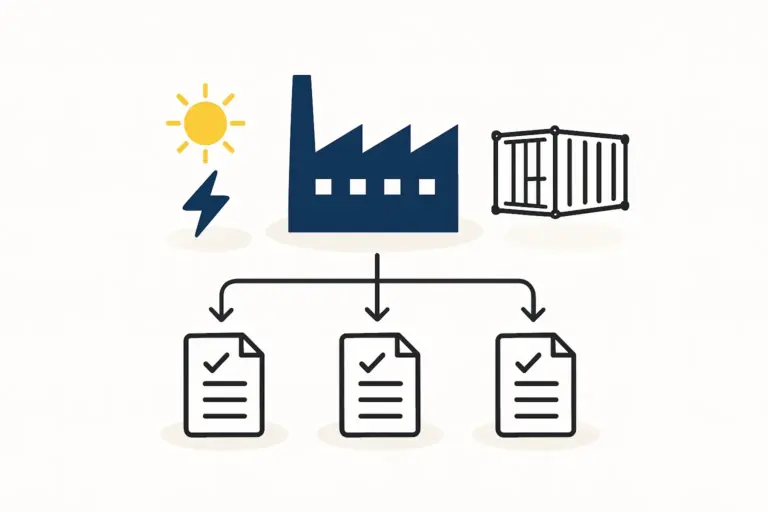
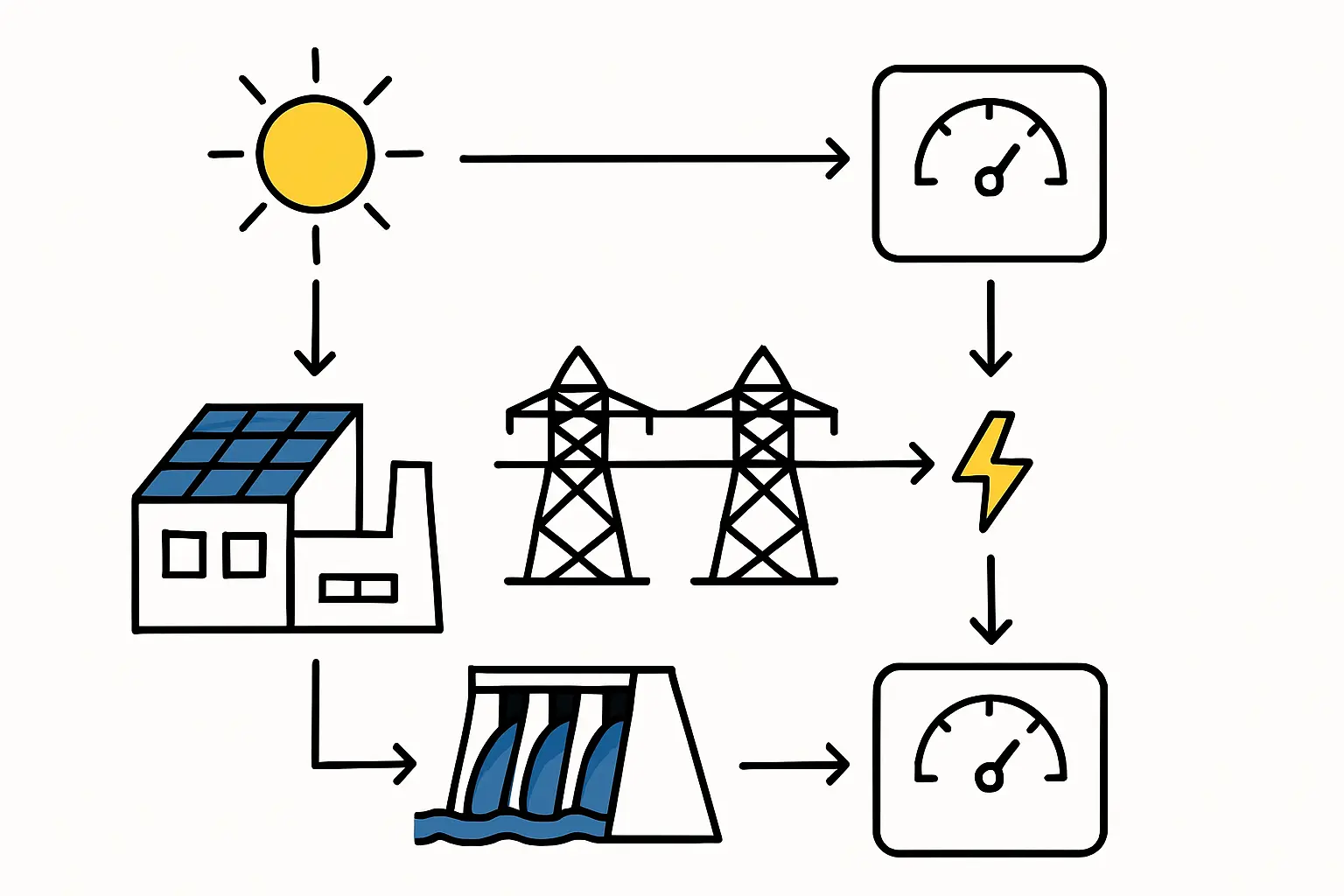
A solar module factory is an energy-intensive operation. The [link: solar panel manufacturing process] relies on a stable, cost-effective power supply to ensure quality and manage production expenses—a resource Bhutan’s grid provides for most of the year.
A modern solar factory can also become a key part of the energy solution. By installing a large-scale rooftop solar array on the facility, the plant can:
- Reduce Operational Costs: Generate a significant portion of its own electricity, lowering its dependency on the grid and hedging against future energy price fluctuations.
- Contribute to Grid Stability: Feed surplus solar power into the local grid during peak production hours, directly contributing to the nation’s energy supply, especially during the critical winter months.
- Demonstrate a Sustainable Model: Operate as a living showcase of industrial energy self-sufficiency and grid synergy.
Market and Export Potential
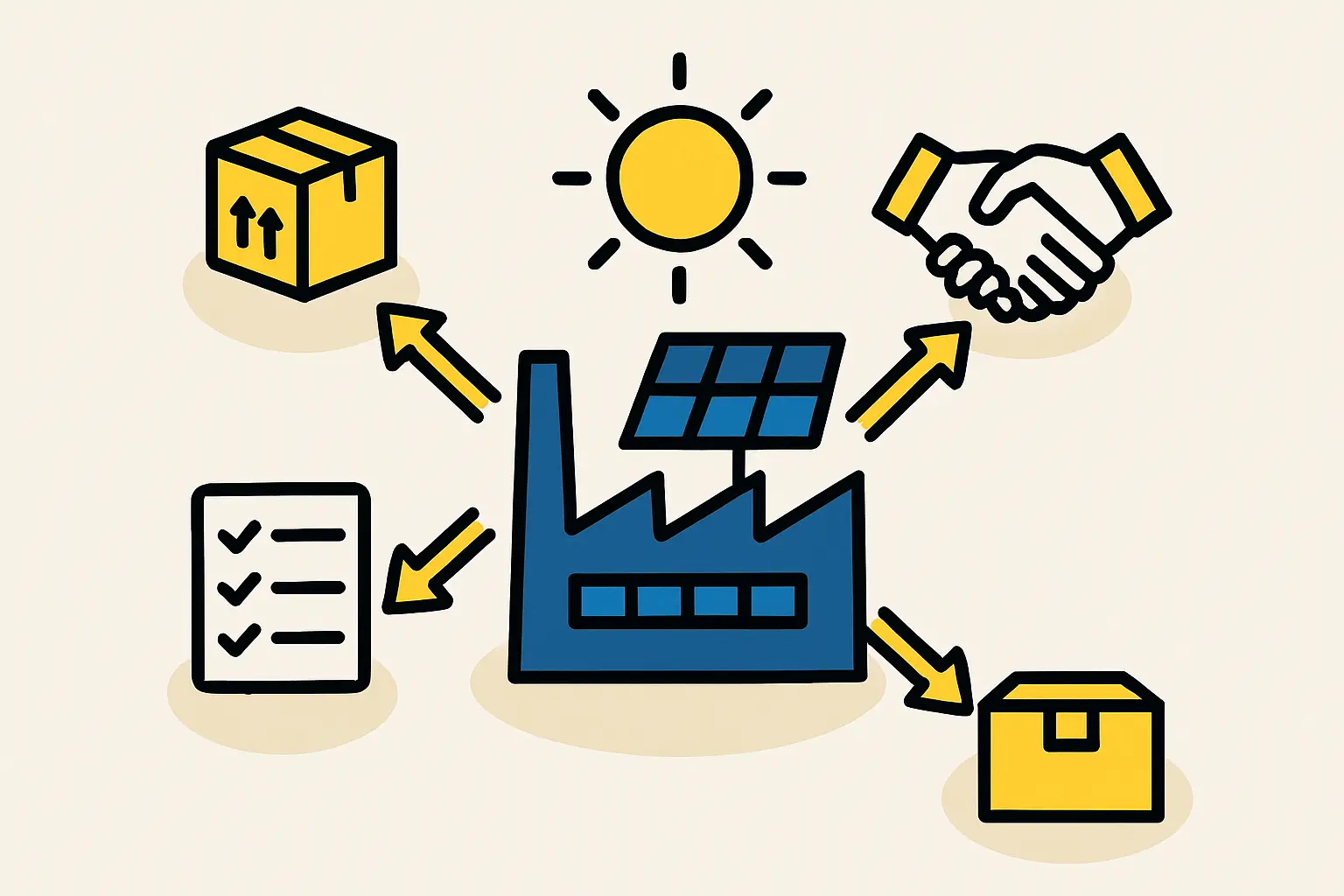
A manufacturing plant in Bhutan is positioned to serve two distinct markets. Domestically, it can supply the panels needed for the government’s energy diversification projects and meet a growing private sector demand.
Externally, its strategic location provides a gateway to the enormous markets of neighboring countries. India and Bangladesh have some of the world’s most ambitious solar expansion goals. A factory in Bhutan could export high-quality modules to these regions, leveraging regional trade agreements and contributing to a broader clean energy transition. For an investor looking to capture this opportunity, a [link: turnkey solar factory solution] can significantly accelerate time-to-market.
Aligning with National Development Goals
Establishing a high-tech manufacturing facility directly supports Bhutan’s national objectives. It would create skilled jobs, facilitate technology transfer, and build a new industrial sector that reduces reliance on energy exports alone. An investment of this nature is more than a commercial venture—it is a partnership in the nation’s strategic development.
Addressing the Practical Challenges
While the strategic case is strong, any potential investor must also consider the practical realities.
Investment and Infrastructure
The initial investment for a solar factory is significant, covering machinery, technology licensing, and construction. Bhutan’s mountainous terrain presents unique logistical challenges for transporting heavy equipment and raw materials, making careful site selection and robust project planning essential. The [link: solar factory building requirements] must be adapted to local conditions, including seismic considerations and site accessibility.
Skills and Supply Chain
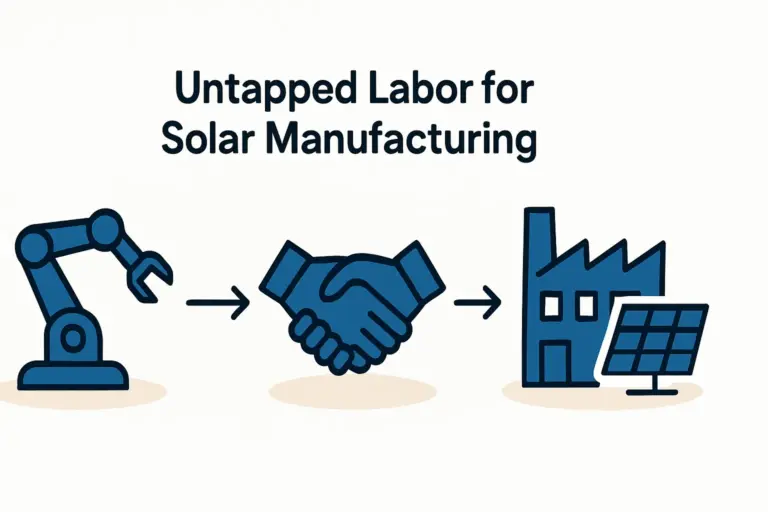
Bhutan does not currently have a large workforce skilled in photovoltaic manufacturing. A successful project must therefore incorporate a comprehensive training program, often developed in partnership with the technology provider. Similarly, establishing and managing a resilient supply chain for raw materials—such as silicon wafers, glass, and aluminum frames—will be crucial.
Frequently Asked Questions (FAQ)
Q: Why manufacture in Bhutan instead of just importing panels?
A: Local manufacturing creates long-term value that importation cannot. It fosters energy independence, builds a skilled workforce, establishes a valuable export product, and allows for greater control over quality and the supply chain. It represents a deeper, more strategic investment aligned with national growth.
Q: Is the factory’s power supply reliable during the winter energy deficit?
A: Yes. The business model is designed for this kind of resilience. The factory would draw from the grid, which remains operational (though strained), and supplement this heavily with its own rooftop solar installation—which performs best during the winter months. This hybrid approach ensures operational continuity.
Q: What kind of government support can be expected for such a project?
A: While specific incentives vary, projects aligned with key national strategies—such as energy diversification, job creation, and export growth—are often viewed favorably. Policies like Bhutan’s Five-Year Plans explicitly call for such developments, suggesting a supportive regulatory environment for well-structured proposals.
A Strategic Entry Point into a Growing Market
The interplay between hydropower and solar in Bhutan offers a blueprint for how complementary energy systems can create powerful business opportunities. For the forward-thinking entrepreneur, this is a chance to move beyond simple energy generation and build a foundational piece of the region’s clean energy future.
By establishing a manufacturing base, an investor not only leverages a unique grid synergy but also becomes a partner in a nation’s strategic vision for energy security and economic diversification. It is a complex undertaking, but one that offers the potential for significant financial returns and a lasting impact.