All data points are realistic but simplified for clarity and educational purposes.
From Brownfield to Solar Power: A 4-Step Guide to Converting Industrial Facilities
An entrepreneur driving through an industrial park might see a vacant warehouse as a sign of economic decline. An investor with an eye on the renewable energy sector, however, sees something entirely different: a strategic opportunity.
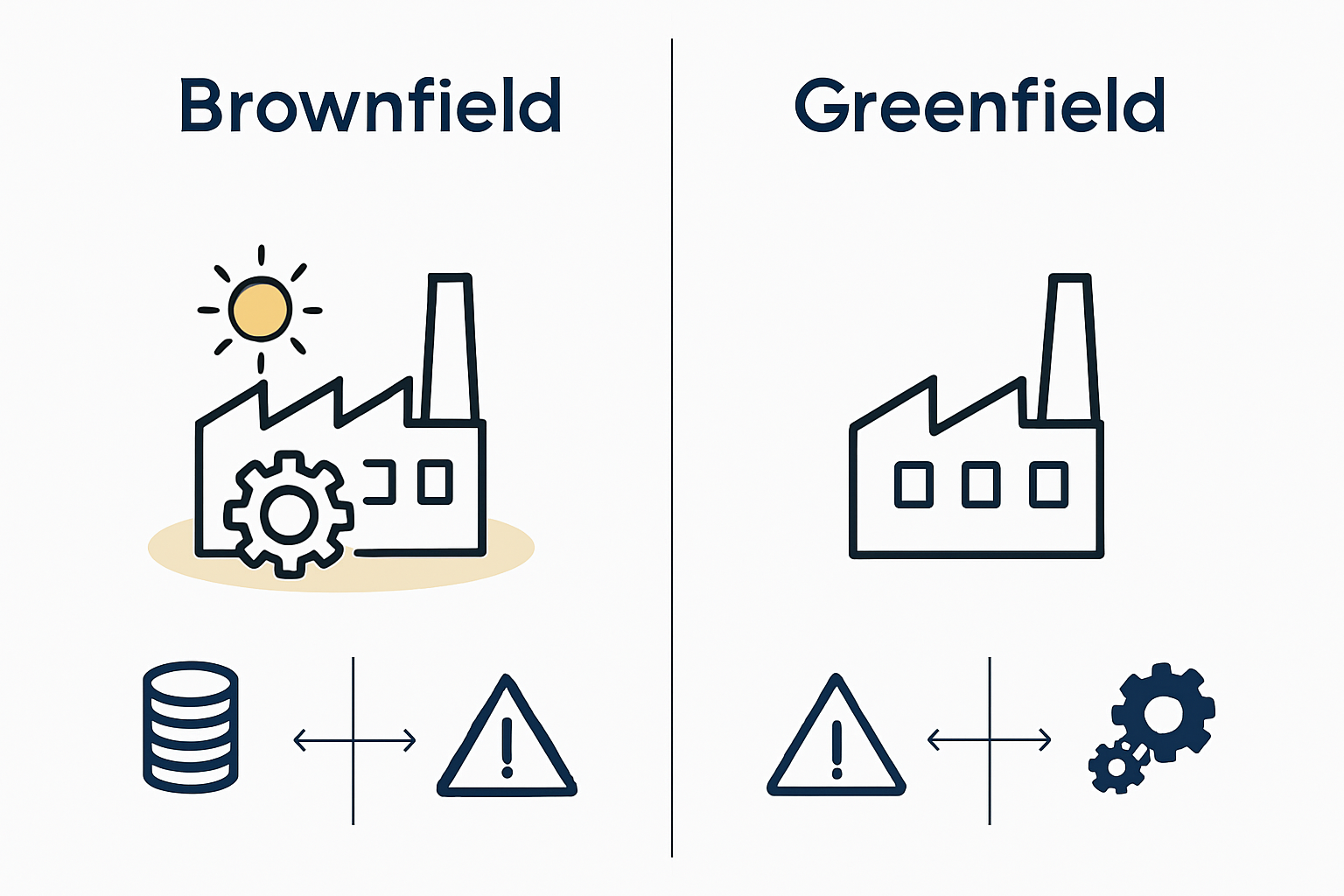
Converting existing industrial buildings—often called ‘brownfield’ projects—is a capital-efficient and rapid way to enter the solar module manufacturing market. This approach bypasses the lengthy and costly process of new construction, using existing infrastructure to accelerate time-to-market.
For business professionals without a deep technical background in photovoltaics, this model offers a clear way to capitalize on the global energy transition. It transforms a seemingly complex industrial venture into a manageable, structured project.
The Strategic Advantage of Repurposing Existing Structures
Converting an existing facility rather than building from scratch offers compelling advantages. The primary benefits are significant savings in both time and capital. Industry analysis suggests a brownfield conversion can shorten the project timeline by six to nine months compared to a ‘greenfield’ project on undeveloped land.
This acceleration is crucial in the fast-moving solar market. Financially, the savings are equally impactful. By using an existing building shell, foundation, and utility connections, entrepreneurs can lower their initial investment costs by 25–35%. This capital can then be reallocated to higher-quality production machinery or stronger working capital reserves—two factors critical for long-term success.
These advantages, however, come with a unique set of challenges. Not every industrial building is suitable for the specific demands of solar module production. Success depends on a meticulous assessment and a well-executed conversion plan.
A Use Case: Transforming an Industrial Site in Minas Gerais
Consider a common scenario: an available 5,000-square-meter industrial facility in a region like Minas Gerais, Brazil. The area boasts high solar irradiation, a strong industrial labor force, and growing demand for locally produced renewable energy technology. The building, previously used for light manufacturing, has been vacant for two years.
For an investor, this is a prime opportunity. The core structure is sound, and basic utilities are in place. The challenge lies in transforming this empty shell into a state-of-the-art solar module factory. This is where a structured, turnkey approach becomes invaluable, guiding the project from initial evaluation to full-scale production. The goal is a seamless transition, managed by experts who understand both the building’s limitations and the production line’s requirements.
Ready to make big Profits?
The solar Industry is Booming
WE HELP NEWCOMERS to the solar industry start their own solar module production line. Customers can make BIG PROFITS by selling modules and finding investors, without wasting money and time on things they don't need!
From Assessment to Operation: A Structured Turnkey Approach
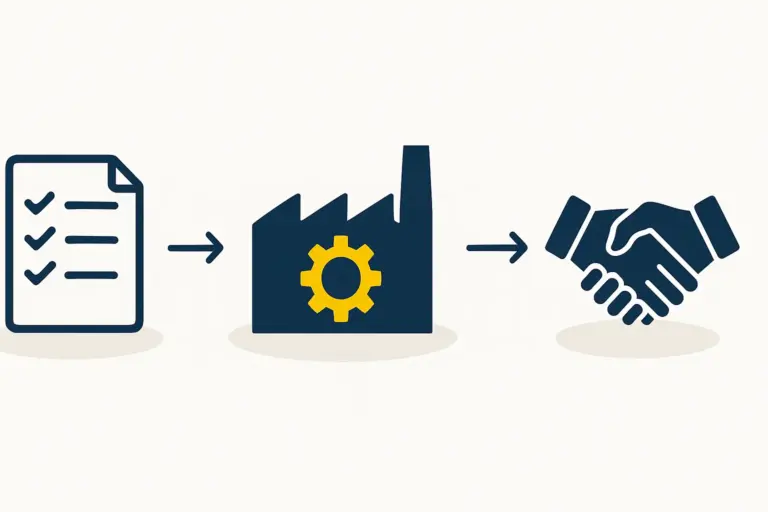
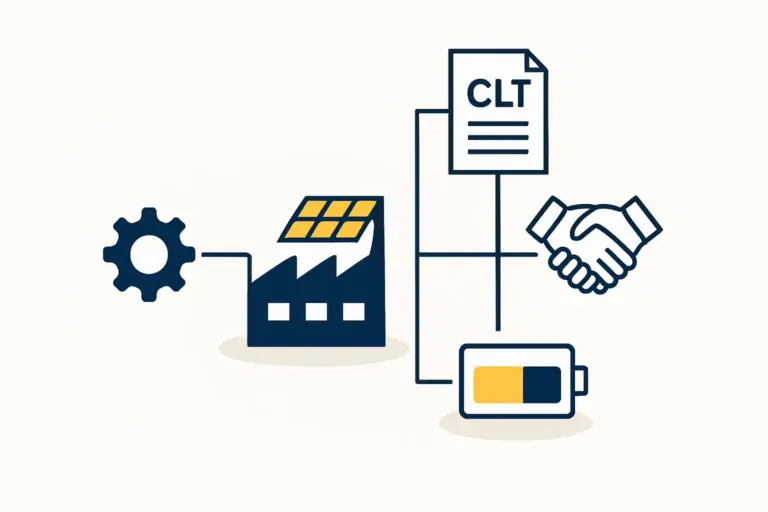
A successful conversion isn’t about forcing machinery into an old space; it’s about systematically re-engineering the facility to meet the precise needs of a modern production line. The process, as managed by a turnkey partner like a European industrial solutions provider for a turnkey solar production line, follows a clear, multi-stage path.
Step 1: Comprehensive Site Assessment
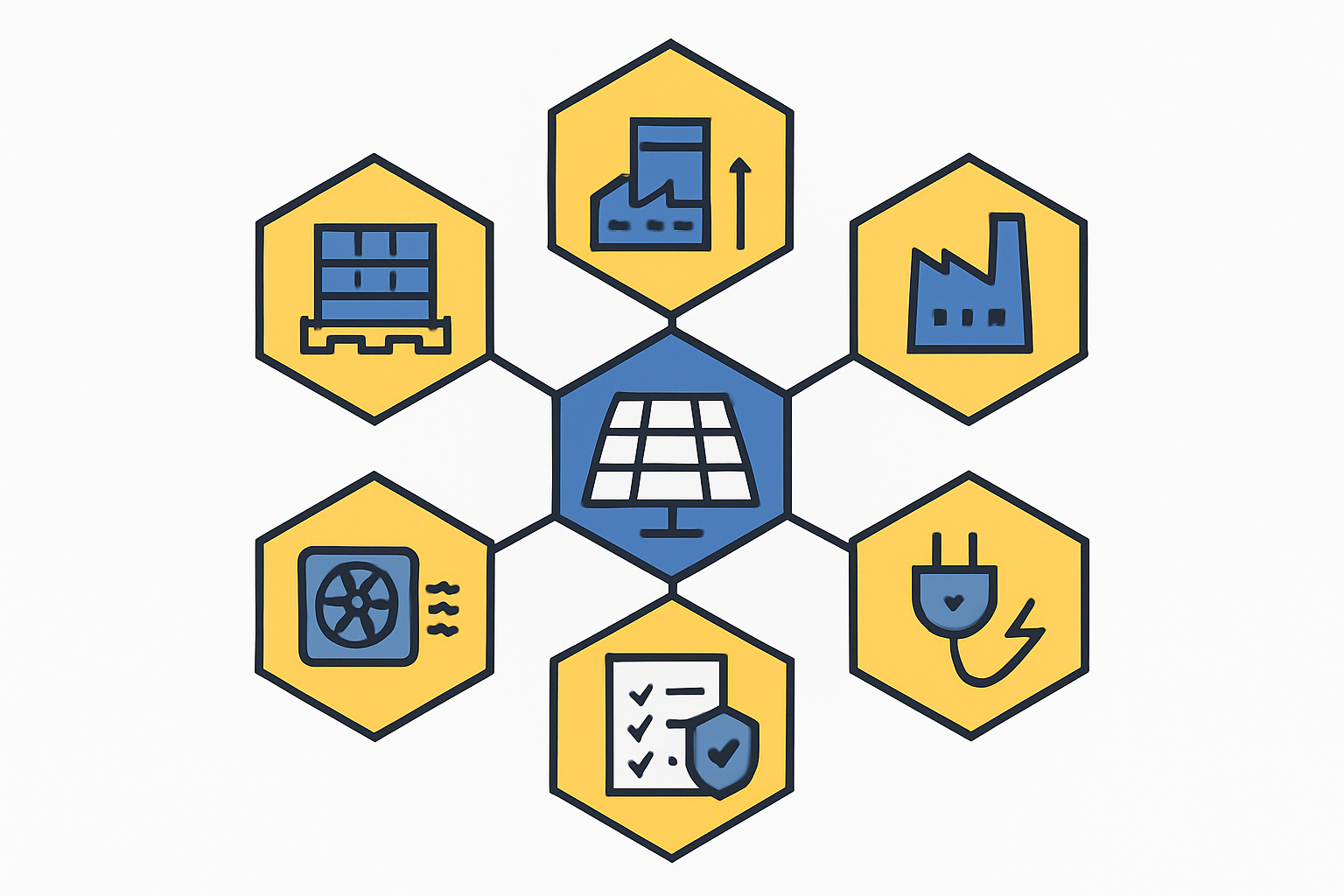
The process begins with a rigorous technical audit of the facility before any investment is made. This is the most critical phase because it identifies potential obstacles that could cause significant delays and cost overruns later. Key areas of evaluation include:
- Structural Integrity: Verifying that the floor can support the weight of heavy machinery like laminators, which can exceed 20 tons.
- Clear Height: Ensuring sufficient vertical space for equipment and overhead material handling systems.
- Power and Utilities: Assessing the capacity of the electrical grid connection, water supply, and compressed air systems.
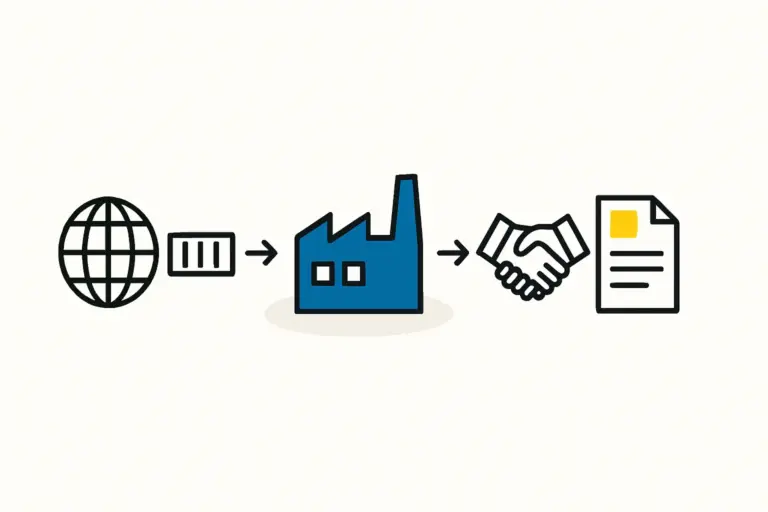
- Logistics and Access: Analyzing truck access for raw material delivery and finished product dispatch.
This detailed review of the building requirements forms the foundation for all subsequent planning.
Step 2: Custom Layout and Process Engineering
With a full understanding of the building’s parameters, engineers design a custom layout for the production line. The objective is to optimize the flow of materials—from incoming glass and cells to the final packaged module—within the existing footprint. They use advanced 3D modeling to visualize the placement of all essential machinery, ensuring efficient workflows and safe operational clearances.

This stage is a blend of science and practicality, adapting proven production principles to the unique constraints of the building.
Step 3: Facility Retrofitting and Preparation
This phase moves from planning to physical modification. Based on the assessment and layout design, crews perform targeted upgrades. Common retrofitting tasks include:
- Reinforcing concrete floors in specific areas.
- Upgrading the main electrical panels and distribution network.
- Installing climate control (HVAC) systems to maintain stable temperature and humidity, especially in the lamination area.
- Constructing designated cleanroom environments for cell stringing and lay-up processes.
Step 4: Installation, Commissioning, and Training
Once the facility is prepared, the team installs and commissions the production equipment. Experience from turnkey projects shows this phase is critical for long-term operational success. Engineers calibrate each machine, integrate the entire line, and conduct test runs to ensure output meets quality and throughput specifications. Simultaneously, the local workforce receives comprehensive training on equipment operation and maintenance, empowering them to manage the factory independently.
Mitigating Risks in Brownfield Conversions
While cost-effective, brownfield projects carry inherent risks. Hidden structural defects, outdated electrical systems, or local zoning complications can emerge unexpectedly. Proactively identifying and mitigating these risks is a key function of a turnkey partner.
For example, when an investor in the Middle East was considering a former warehouse for conversion, a European solar project architecture and modeling firm advised a thorough power grid analysis as part of the initial assessment. The study revealed the need for a significant and time-consuming substation upgrade. Identifying this early allowed the project timeline and budget to be adjusted realistically, preventing what would have become a critical bottleneck during the commissioning phase. This proactive, experience-based approach transforms potential disasters into manageable line items.
Frequently Asked Questions (FAQ)
What is the minimum suitable building size for a small-scale solar factory?
For a semi-automated production line with an annual capacity of 20–50 MW, a facility with at least 2,500 to 3,000 square meters (approx. 27,000–32,000 sq ft) of usable floor space is typically required. This provides sufficient room for production, warehousing of raw materials, and storage of finished goods.
What are the most common ‘hidden costs’ in a brownfield project?
The most frequent unforeseen expenses relate to the electrical supply, floor loading capacity, and HVAC systems. An older building may require a complete overhaul of its electrical infrastructure to power modern machinery, or its foundation may need costly reinforcement. A thorough initial assessment is the best tool to uncover and budget for these items.
How does a turnkey provider accelerate the conversion process?
A turnkey provider like expert-led European solar project architecture and modeling accelerates projects by managing all technical aspects in parallel. While the building is being assessed and retrofitted, machinery is procured and prepared for shipment. This integrated project management avoids the sequential delays that often occur when an investor tries to coordinate multiple independent contractors and suppliers.
A Capital-Efficient Path to Market Entry
Converting an existing industrial facility is a powerful strategy for entrepreneurs aiming to enter the solar manufacturing industry efficiently. It lowers the barrier to entry, reduces initial capital outlay, and significantly shortens the timeline from decision to production.
The success of such projects hinges on expert planning and execution. By partnering with a technical consultant who can oversee the entire process—from evaluating a building’s potential to training the local team—investors can confidently navigate the complexities of the conversion and establish a competitive manufacturing operation. This approach offers a structured, lower-risk path to building a successful business in the renewable energy sector.
Download the Brownfield to Solar Conversion Case Study (PDF)
Author: This case study was prepared by the
turnkey solar module production specialists at J.V.G. Technology GmbH
It is based on real data and consulting experience from J.v.G. projects
worldwide, including installations ranging from 20 MW to 500 MW capacity.