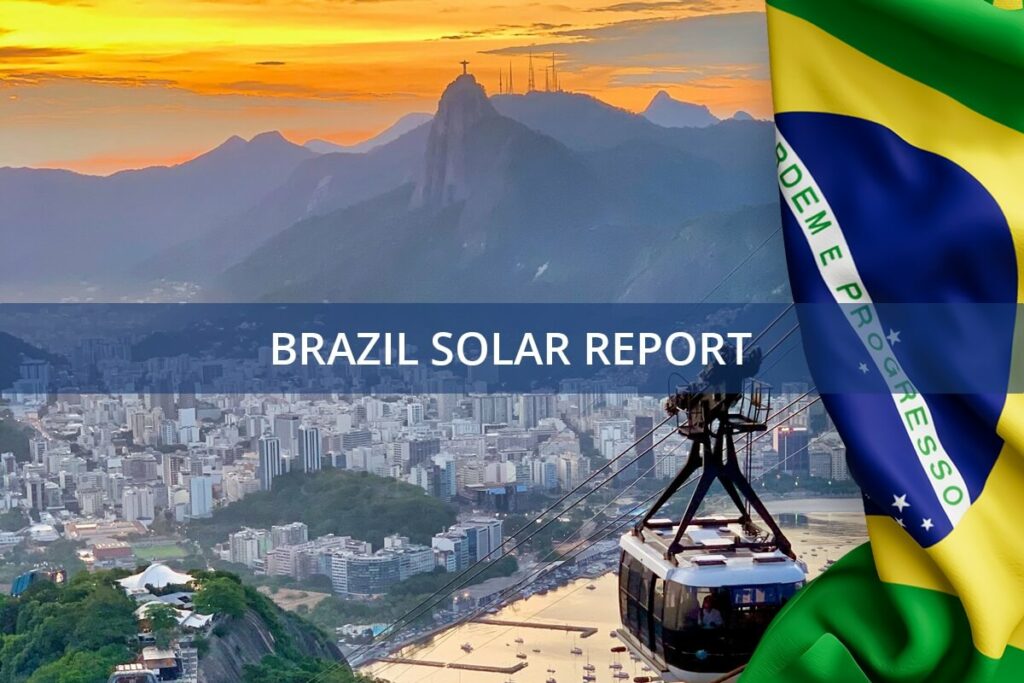
Brazil’s rapidly expanding distributed generation (DG) sector faces a potential turning point as a new draft bill proposes a significant revision to Law 14.300/2022, the country’s legal framework for micro and mini-generation. The legislative proposal’s central aim is to permanently eliminate the “Fio B” tariff for consumers who generate their own power, a move that could significantly alter the financial viability of solar energy projects nationwide.
This initiative reopens a critical debate about energy policy, grid costs, and incentives in a market that has seen explosive growth, with states like São Paulo expected to add over 1 GW of distributed generation in 2024 alone. The outcome will have lasting implications for both energy consumers and the broader electricity sector.
The Role of Fio B within Law 14.300
Enacted in 2022, Law 14.300 was designed to bring regulatory certainty to Brazil’s DG market. A key component of this law was the introduction of charges for the use of the electrical grid. The “Fio B” is a crucial element of the Tariff for the Use of the Distribution System (TUSD), specifically covering the costs associated with the distribution infrastructure—the network of wires, poles, and transformers. Under the current rules, new DG system owners are subject to a gradual phase-in of this charge on surplus energy they inject into the grid.
The proposed legislation seeks to amend Law 14.300 by carving out a permanent exemption from the Fio B charge for all DG systems, directly challenging the established tariff structure.
Economic Incentives and Market Growth
Proponents of the bill argue that removing the Fio B charge is essential for maintaining the momentum of Brazil’s solar boom. The DG sector has become increasingly accessible, with financing requests from lower-income (Class C) consumers now accounting for a significant portion of the market. Eliminating this grid usage fee would shorten the payback period for solar investments, making them more attractive to a wider audience of homeowners and businesses.
This enhanced economic incentive could help counteract projections of slower market growth and ensure the continued expansion of renewable energy, which is a cornerstone of the country’s energy policy. The debate is closely watched by industry stakeholders, as reported by outlets like Canal Solar.
Tariff Justice and Future Implications
While the bill offers clear benefits for “prosumers”—those who both produce and consume electricity—it also intensifies the complex discussion around “tariff justice.” Critics and utility companies raise concerns that if a growing segment of the population does not contribute to the upkeep of the distribution grid via the Fio B charge, the financial burden will inevitably be transferred to other consumers, particularly those who cannot afford to install their own generation systems.
The progress of this bill through Brazil’s legislature will be a pivotal development. Its passage would not only redefine the cost structure for DG system owners but also signal a major policy shift. As Brazil continues to navigate its energy transition, with ongoing discussions about everything from tax implications to energy storage requirements, the resolution of the Fio B debate will set a significant precedent for the future of distributed energy resources in one of the world’s most dynamic renewable energy markets.
Sources
- Class C accounts for 45% of financing requests for distributed solar …
- Tax Aspects of Distributed Generation and Self-Production of Eletric …
- PATHWAYS TO TARIFF JUSTICE IN THE BRAZILIAN ELECTRICITY …
- Brazil’s Energy Ministry talks minimum storage requirements for new …
- Harnessing the Sun: the growth of the PV solar sector in Brazil – ISEP
- São Paulo To Add More Than 1 Gw Of Distributed Generation In 2024
- Brazil distributed solar market set for lower annual additions in 2025
- Brazilian Government Enacts Provisional Measure Reshaping the …