An entrepreneur has successfully established a solar module assembly line, and the first batch of high-quality, locally produced panels is now ready. It’s a significant milestone that brings to light a new, often underestimated challenge: how to efficiently and reliably transport these products to customers, not just within Cameroon but across the wider Central African region.
The success of a solar manufacturing venture doesn’t end at the factory gate. Post-production logistics can determine profitability, market reach, and brand reputation. This guide outlines the key considerations for distributing solar modules from a base in Cameroon to domestic and regional markets within the Economic and Monetary Community of Central Africa (CEMAC). Understanding this landscape is a critical step toward turning production capacity into market leadership.
Table of Contents
The Strategic Importance of Post-Production Logistics
For any entrepreneur learning how to start a solar module factory in Africa, a well-defined logistics strategy is as crucial as the production process itself. It directly impacts costs, delivery timelines, and customer satisfaction. In a region with developing infrastructure, a robust distribution network becomes a powerful competitive advantage.
Effective logistical planning allows a business to:
- Control Costs: Transportation, warehousing, and insurance can add significantly to the final cost of a solar module. Efficient planning is key to minimizing these expenses.
- Ensure Product Integrity: Solar modules are sensitive goods, making proper handling and transport essential to prevent damage.
- Meet Market Demand: Reliable delivery schedules build trust with distributors and end-users, from urban centers to remote off-grid communities.
- Expand Regional Reach: Mastering cross-border logistics opens up lucrative neighboring markets in the CEMAC zone.
Analyzing Cameroon’s Domestic Transport Infrastructure
Cameroon serves as a natural logistical hub for Central Africa, but its infrastructure presents a mix of opportunities and challenges that every business plan must account for.
The Central Role of Maritime Ports
While a solar factory produces goods for local and regional distribution, its supply chain for raw materials often begins at the port. Cameroon’s two primary ports form the backbone of its trade infrastructure.
- Port of Douala: As the country’s primary port, it handles approximately 95% of Cameroon’s maritime trade. Its location makes it a vital entry point for imported components and the main exit point for finished modules destined for Gabon or Equatorial Guinea. However, businesses must account for potential congestion and its impact on timelines.
- Port of Kribi: This modern, deep-sea port was developed to supplement Douala and can accommodate larger vessels. Its strategic location south of the economic capital provides an alternative route, particularly for projects in the southern regions or for trade with neighboring southern countries.
A manufacturer’s choice of factory location should carefully weigh the proximity and accessibility of these two critical hubs.
Navigating the Road Network
The road network is the primary means of domestic and regional distribution. Major economic arteries, like the Douala-Yaoundé corridor, are paved and relatively reliable. However, the condition of secondary and rural roads poses a significant operational hurdle.
Many routes are unpaved and can be difficult to traverse, particularly during the rainy season from May to November. This can lead to delays, increased transportation costs, and a higher risk of damage to sensitive cargo. Contingency planning, including scheduling buffer times and investing in robust packaging, is essential.
Leveraging the Rail System
For bulk transport over long distances, Cameroon’s rail network, operated by CAMRAIL, offers a viable alternative to road transport. The main line connects the port of Douala with the capital, Yaoundé, and extends north to Ngaoundéré.
This route is particularly relevant for accessing northern Cameroon and for the initial leg of shipments to landlocked Chad. For large shipments, rail can be more cost-effective and reliable, bypassing potential road congestion and poor conditions.
Expanding into the CEMAC Market: Opportunities and Hurdles
The CEMAC zone—comprising Cameroon, Gabon, Chad, the Central African Republic (CAR), Equatorial Guinea, and the Republic of Congo—represents a significant growth opportunity. While it operates as a free trade area in principle, moving goods across borders requires careful navigation of both physical and administrative obstacles.
Key Trade Corridors and Their Challenges
- The Douala-N’Djamena Corridor (Chad): This is one of the most critical trade routes in the region. The typical logistical chain involves transporting goods by rail from Douala to Ngaoundéré, and then by truck for the final leg to N’Djamena.
- The Douala-Bangui Corridor (CAR): This route is serviced primarily by road and presents particular challenges due to infrastructure limitations, making careful planning with experienced logistics partners imperative.
The Impact of Non-Tariff Barriers
While CEMAC agreements facilitate tariff-free trade, non-tariff barriers remain a practical concern. The World Bank’s 2020 “Ease of Doing Business” report highlights Cameroon’s well-documented challenges in areas like cross-border trade.
Manufacturers must be prepared for:
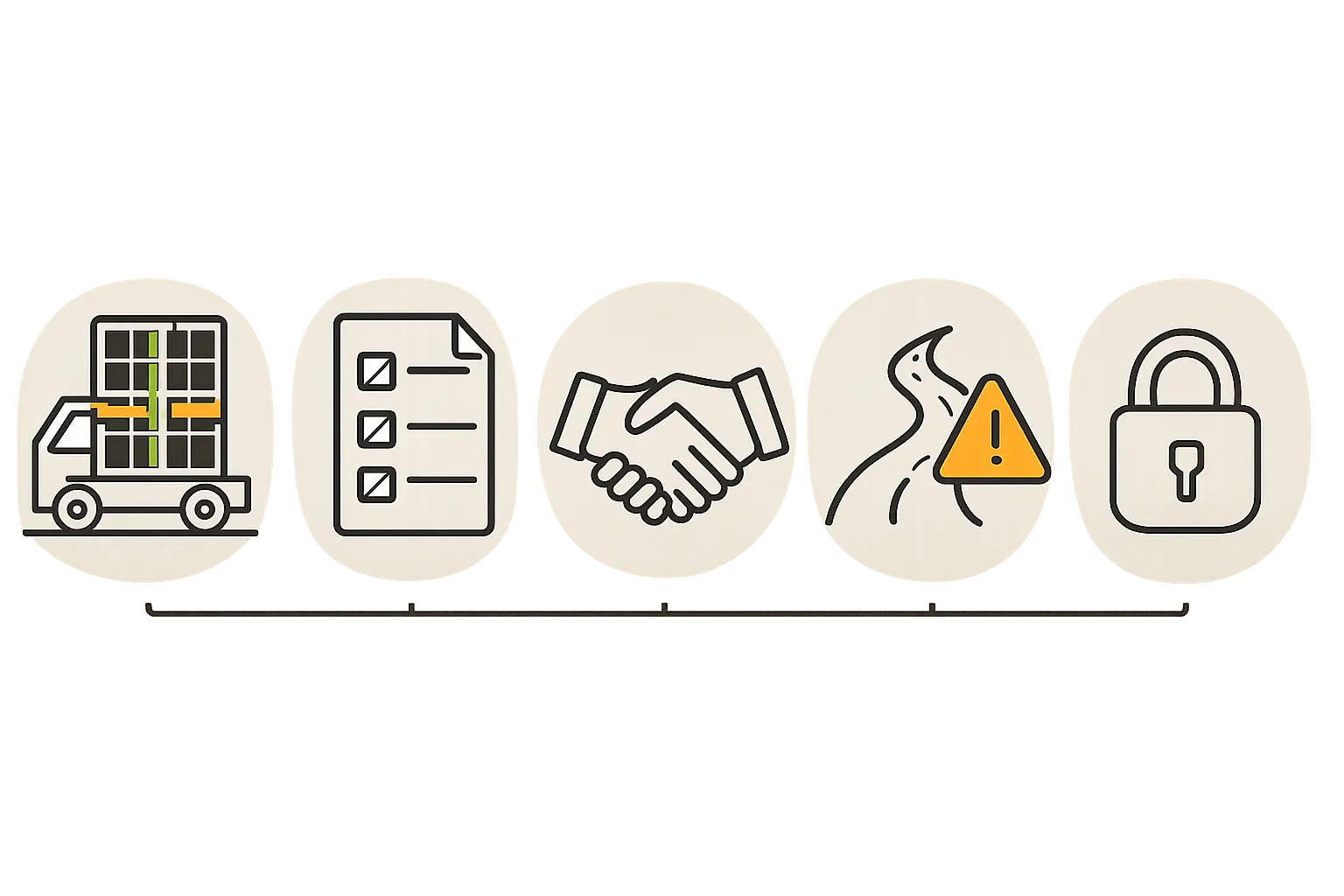
- Customs Delays: Administrative processes at border crossings can be slow and unpredictable.
- Multiple Checkpoints: Numerous checkpoints along major corridors can add time and informal costs to shipments.
- Paperwork Complexity: Ensuring all documentation is correct and complete is critical to avoid costly delays. Working with a knowledgeable customs broker is highly advisable when navigating customs and import duties for solar components.
Based on experience from J.v.G. turnkey projects in emerging markets, successful cross-border distribution depends on building strong relationships with local logistics providers who understand these on-the-ground realities.
Frequently Asked Questions (FAQ)
Q: What is the single biggest logistical challenge for a solar manufacturer in Cameroon?
A: The primary challenge is the variable quality of the road infrastructure, especially outside main economic corridors and during the rainy season. This affects delivery times, costs, and the potential for product damage, requiring robust planning and risk mitigation.
Q: For distribution to Chad, is it better to use road or rail transport?
A: A combination is often the most effective strategy. Using rail (CAMRAIL) for the long-haul journey from Douala to Ngaoundéré provides reliability and cost-effectiveness for bulk shipments. The final leg from Ngaoundéré to N’Djamena is then completed by truck.
Q: How long should one budget for a shipment from Douala to N’Djamena, Chad?
A: While the distance might suggest a few days, a realistic timeframe is often 10 to 20 days. This factors in potential delays at the railhead in Ngaoundéré, road conditions, and border crossing formalities. It is wise to build a significant buffer into all delivery schedules.
Q: Are there special packaging requirements for transporting solar modules in this region?
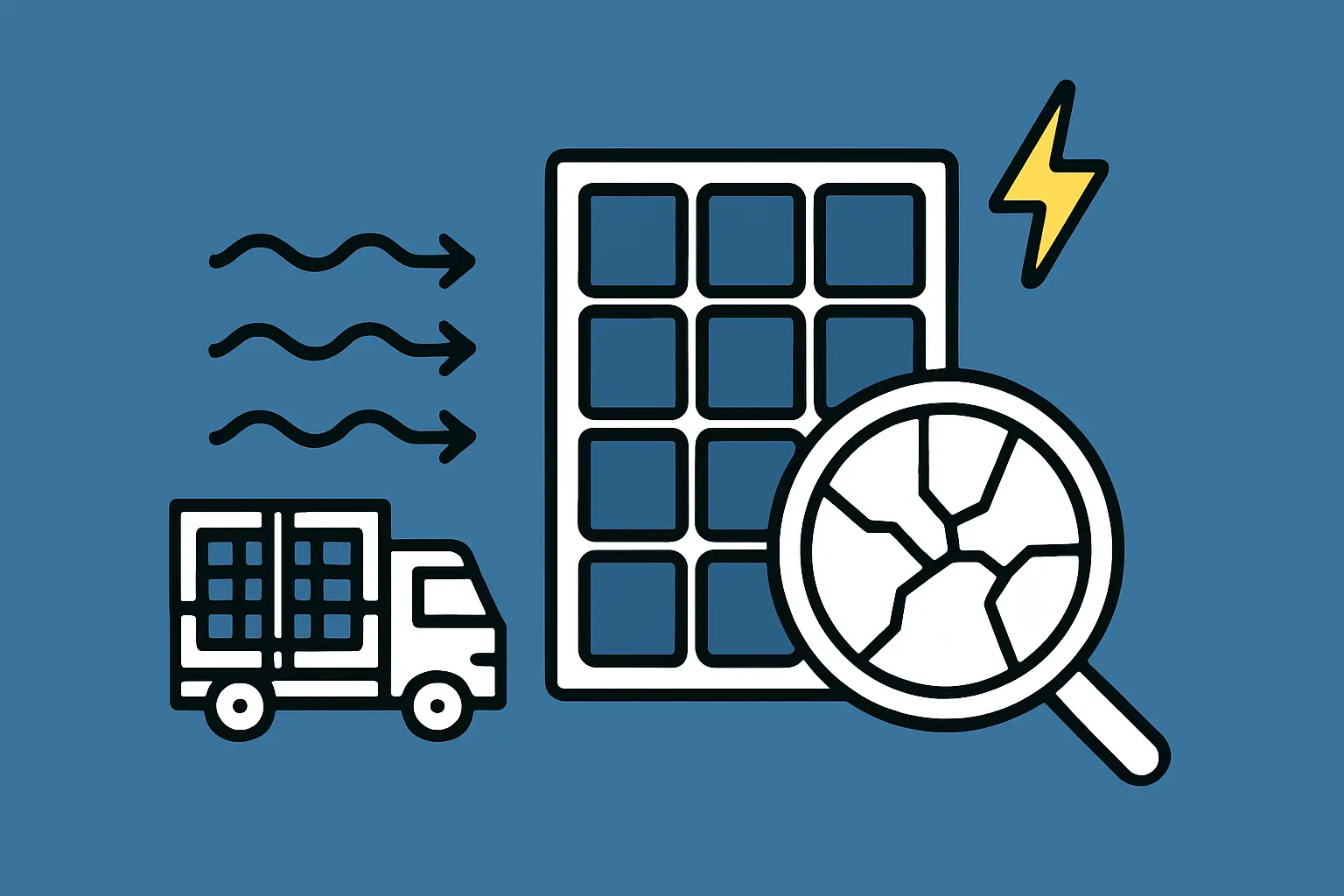
A: Yes. Given the vibrations from unpaved roads and frequent handling, reinforced packaging is essential. This may include using stronger crates, additional corner protection, and secure strapping to minimize the risk of micro-cracks or breakage.
Conclusion: Integrating Logistics into Your Business Plan
For any entrepreneur entering the solar manufacturing sector in Cameroon, logistics cannot be an afterthought. It is a core component of the business plan that directly influences market access, profitability, and long-term success.
By understanding the nuances of local and regional transport infrastructure, planning for seasonal challenges, and preparing for the realities of cross-border trade, a manufacturer can build a resilient and efficient distribution network. This capability will be a key differentiator, enabling the business to reliably serve a growing demand for clean energy across Central Africa. The path from the factory floor to a remote installation site is complex, but with diligent planning and expert guidance, it is entirely manageable.