Disclaimer: This case study represents a composite example derived from real-world
consulting work by J.v.G. Technology GmbH in solar module production and factory optimization. All data points are realistic but simplified for clarity and educational purposes.
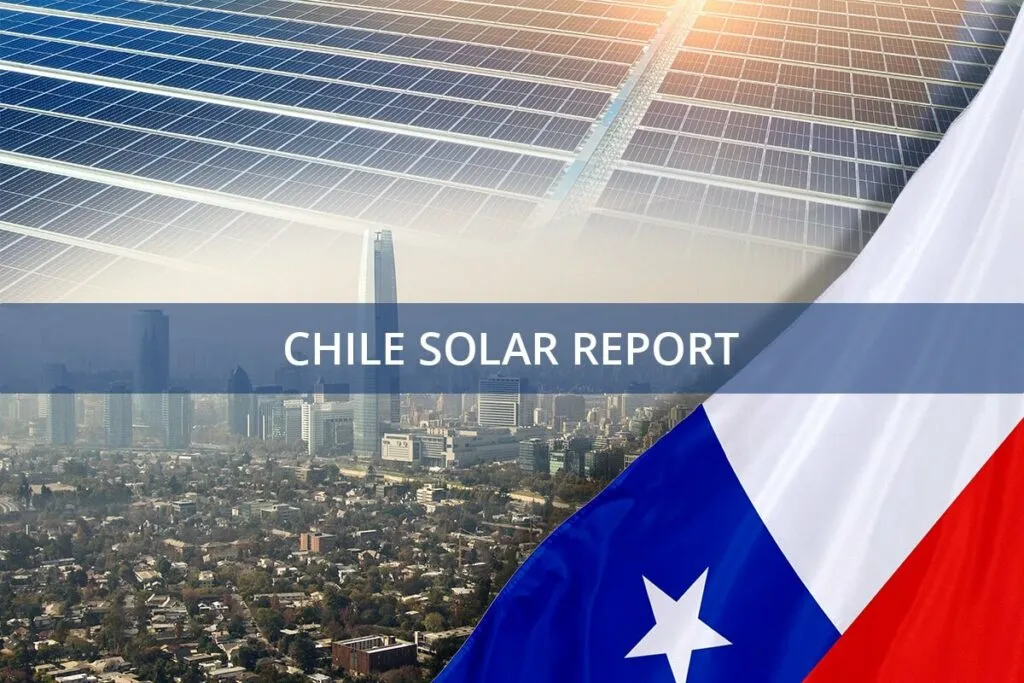
For international investors exploring new industrial ventures, the solar sector is a compelling landscape of growth and opportunity. Yet, location is often the most critical variable for success. While many look to manufacturing hubs in Asia or Europe, a strategic analysis points to an often-overlooked candidate with exceptional potential: Chile. The country offers more than just abundant sunshine; it provides a stable, modern platform for exporting high-value goods across South America.
This article outlines the business case for a solar module factory in Chile, designed specifically for export to Mercosur and Andean Pact member nations. It goes beyond theory to offer a practical framework, showing how Chile can serve as a powerful logistical and commercial hub for the regional solar market.
Why Chile? The Strategic Rationale for Solar Manufacturing
Chile’s suitability as a manufacturing base comes from a unique combination of geographic, economic, and political factors. For an entrepreneur or company entering the solar industry, these elements mitigate risk while creating a distinct competitive advantage.
Unparalleled Natural Resources and Domestic Demand
Chile is home to the Atacama Desert, a region with one of the highest levels of solar irradiation on the planet. This natural endowment has fueled a sophisticated domestic solar energy market, creating local demand and a skilled workforce familiar with photovoltaic technology. A local factory can first serve this robust domestic market before expanding its focus to exports.
Stable Economic and Political Environment
In a region often characterized by volatility, Chile stands out for its long-term political stability and market-oriented economic policies. For international investors, this means a predictable regulatory environment, protection for foreign capital, and a reliable framework for doing business. These are essential foundations for a multi-million-euro industrial project.
World-Class Logistical Infrastructure
A factory’s success hinges on its ability to efficiently import raw materials and export finished products. Chile’s extensive coastline features modern, well-managed ports, such as those in Valparaíso and San Antonio. These ports provide direct maritime links to global supply chains and efficient access to shipping routes serving both the Pacific and Atlantic coasts of South America.

Leveraging Trade Agreements: Accessing Mercosur and the Andean Pact
The most powerful argument for a Chilean manufacturing base is its privileged access to neighboring markets. Chile is an associate member of Mercosur (including Brazil, Argentina, Paraguay, Uruguay) and a full member of the Andean Pact (including Colombia, Peru, Ecuador, Bolivia) and the Pacific Alliance.
These free trade agreements provide significant advantages:
-
Reduced or Eliminated Tariffs: Exporting solar modules from Chile to countries like Brazil or Colombia means facing significantly lower import duties compared to shipping from Asia. This creates an immediate price advantage in the target market.
-
Simplified Customs Procedures: The agreements streamline cross-border trade, reducing administrative burdens, paperwork, and delays. This accelerates the supply chain and improves cash flow.
-
Proximity and Reduced Lead Times: A factory in Chile can deliver modules to customers in Peru or Argentina in a fraction of the time it takes to ship from China. This speed and flexibility are major selling points for large-scale project developers who require reliable delivery schedules.
By producing in Chile, a company isn’t just serving a market of 19 million people; it’s unlocking preferential access to a combined market of over 400 million.
The Anatomy of a 50 MW Turnkey Factory in Chile
Establishing a factory from scratch in a new country can seem daunting. However, a structured, turnkey approach makes the project both manageable and predictable. Drawing on experience from EU PV factory turnkey supplier projects, here are the typical parameters for planning a competitive 50 MW production facility.
Investment and Infrastructure
The primary consideration for any investor is the initial capital outlay. A modern 50 MW facility requires a building with 2,500 to 3,500 square meters of floor space. The total investment, including machinery, installation, and training, typically ranges from €4.5 million to €5.5 million. This equips the facility to produce approximately 120,000 high-performance modules per year.
Technology and Production Flow
To compete internationally, the factory must be equipped with modern technology. The proposed line would handle large-format M10 and G12 solar cells and be ‘future-proofed’ for next-generation cell technologies like TOPCon and HJT. This ensures the modules produced remain competitive in efficiency and performance for years to come.
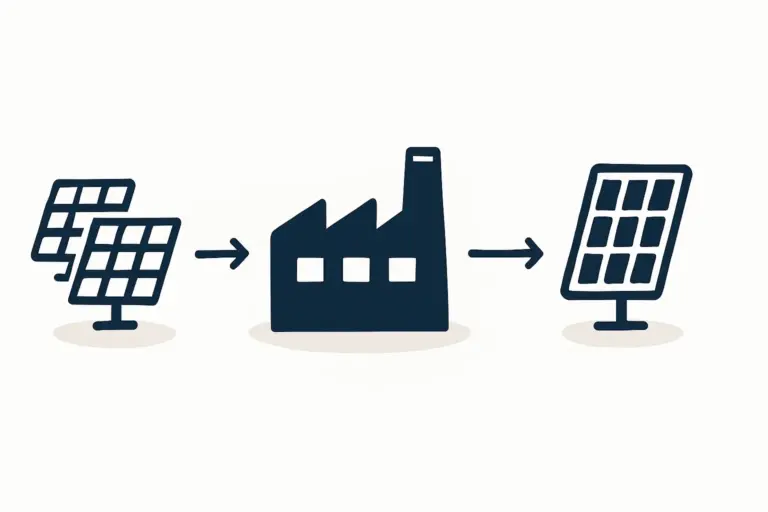
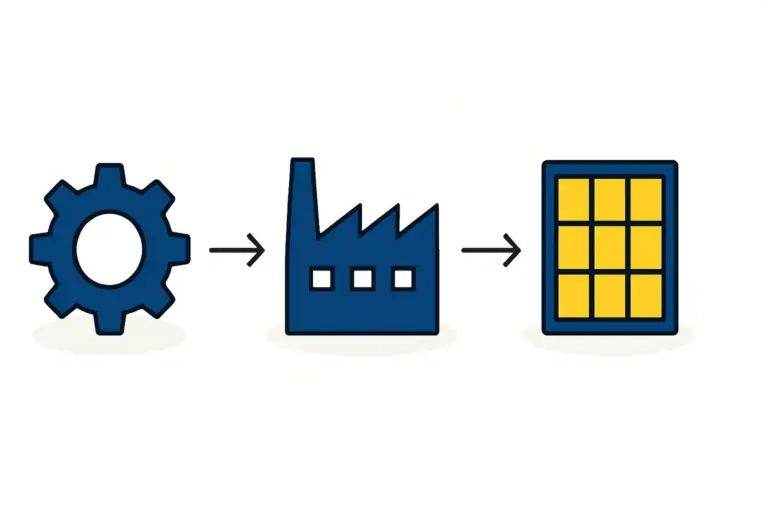
The production process involves a sequence of highly automated key machines—from cell stringing and bussing to lamination and final electrical testing—to ensure consistent quality and high throughput.

Human Resources and Timeline
An operation of this scale runs efficiently with a team of around 50 employees, including operators, technicians, and administrative staff. The local market in Chile provides access to a well-educated technical workforce.
From final project confirmation to the start of commercial operation, the entire implementation process can be completed within 9 to 12 months. This timeline includes machinery procurement, shipping, installation, commissioning, and staff training.
Navigating Potential Challenges
While the opportunity is significant, a realistic business plan must also account for potential challenges.
-
Competition from Asian Imports: Large-scale Asian manufacturers benefit from economies of scale. A Chilean factory must compete not on raw cost alone but on a combination of factors: tariff advantages, lower regional transport costs, faster lead times, and superior local customer service.
-
Navigating Local Regulations: Every country has its own specific labor, tax, and environmental regulations. Success requires partnering with local experts and a technical consultant with experience in international project execution. This partnership helps ensure a smooth process for permits, customs clearance, and operational compliance.
Effective planning and on-the-ground support are crucial to managing these challenges. Experienced engineers can ensure that global best practices are adapted effectively to local conditions.
Frequently Asked Questions (FAQ)
Is prior experience in the solar industry necessary to start a factory?
No. The turnkey model is ideal for entrepreneurs or investors who have strong business backgrounds but lack specific solar expertise. The technical partner provides the process knowledge, machinery specifications, training, and operational support, allowing the investor to focus on business management and market strategy.
What is the primary market for modules produced in Chile?
The strategy is twofold. The factory would first aim to capture a share of Chile’s growing domestic market. Concurrently, it would leverage trade agreements to establish a strong export presence in key South American markets like Brazil, Colombia, Peru, and Argentina, where logistical and tariff advantages are most pronounced.
How can a 50 MW factory compete with large-scale Asian manufacturers?
Competition is based on strategic advantages rather than sheer volume. A Chilean factory competes by offering:
-
Landed Cost Advantage: Reduced tariffs and significantly lower shipping costs can make the final price to the customer in a neighboring country highly competitive.
-
Speed and Agility: Delivering modules in weeks instead of months is a powerful advantage for project developers.
-
Regional Focus: Offering dedicated local support and customized solutions for the South American market builds stronger customer relationships.
What kind of support is available after the factory is operational?
Reputable turnkey providers offer ongoing support, including process optimization, maintenance guidance, and assistance with sourcing certified raw materials. The goal is to ensure the long-term success and profitability of the operation, not just the initial setup.
Conclusion: A Calculated Step into a Growing Market
Establishing a solar module factory in Chile is a calculated, strategic investment, not a speculative venture. It leverages the country’s economic stability, logistical prowess, and unique trade relationships to create a competitive manufacturing hub for all of South America.
For the international investor, this is more than an opportunity to build a factory; it is a chance to establish a strategic foothold in one of the world’s most promising renewable energy regions. With a clear plan, the right technology, and an experienced partner, the path from concept to a fully operational and profitable export business is well-defined and achievable.
Download the Chile Solar Module Factory Case Study (PDF)
Author: This case study was prepared by the
turnkey solar module production specialists at J.V.G. Technology GmbH
It is based on real data and consulting experience from J.v.G. projects
worldwide, including installations ranging from 20 MW to 500 MW capacity.