Investors considering the Democratic Republic of Congo (DRC) often confront two distinct images. One is of immense opportunity: a vast nation with one of the world’s lowest electricity access rates and abundant solar irradiation. The other is of perceived complexity and risk. Bridging this gap begins with understanding the structured framework designed to attract and protect foreign investment: the National Agency for the Promotion of Investments (ANAPI).
For entrepreneurs and companies planning to establish a solar module manufacturing facility in the DRC, ANAPI is more than just a government body; it is the central gateway. This article provides a clear overview of the Investment Code it manages, focusing on the incentives, guarantees, and processes most relevant to the solar energy sector.
Understanding ANAPI: The Gateway to Investing in the DRC
Established in 2002, ANAPI functions as a one-stop shop for investors. Its primary mission is to simplify the investment process—from initial applications to operational support—by administering the DRC’s Investment Code, a legal framework outlining the rights, protections, and benefits granted to domestic and foreign investors.
ANAPI’s role is particularly significant for the burgeoning solar industry. The government has identified renewable energy as a priority sector for national development, making solar manufacturing projects highly eligible for the advantages offered under the code. What might otherwise be a challenging market entry becomes a structured, government-supported initiative.
Core Incentives for Solar Module Manufacturing under the ANAPI Framework
The Investment Code provides a range of tangible financial and administrative benefits designed to reduce the initial capital burden and improve a project’s long-term viability—incentives that are especially critical for a new solar factory.
Tax Exemptions and Reductions
The most immediate benefits are significant tax relief during the crucial setup and initial operational phases. These typically include:
-
Exemption from Import Duties and Taxes: All machinery, equipment, and tools needed for the solar module production line can be imported free of customs duties and turnover tax (TVA/VAT). This substantially reduces the initial investment, directly impacting project feasibility.
-
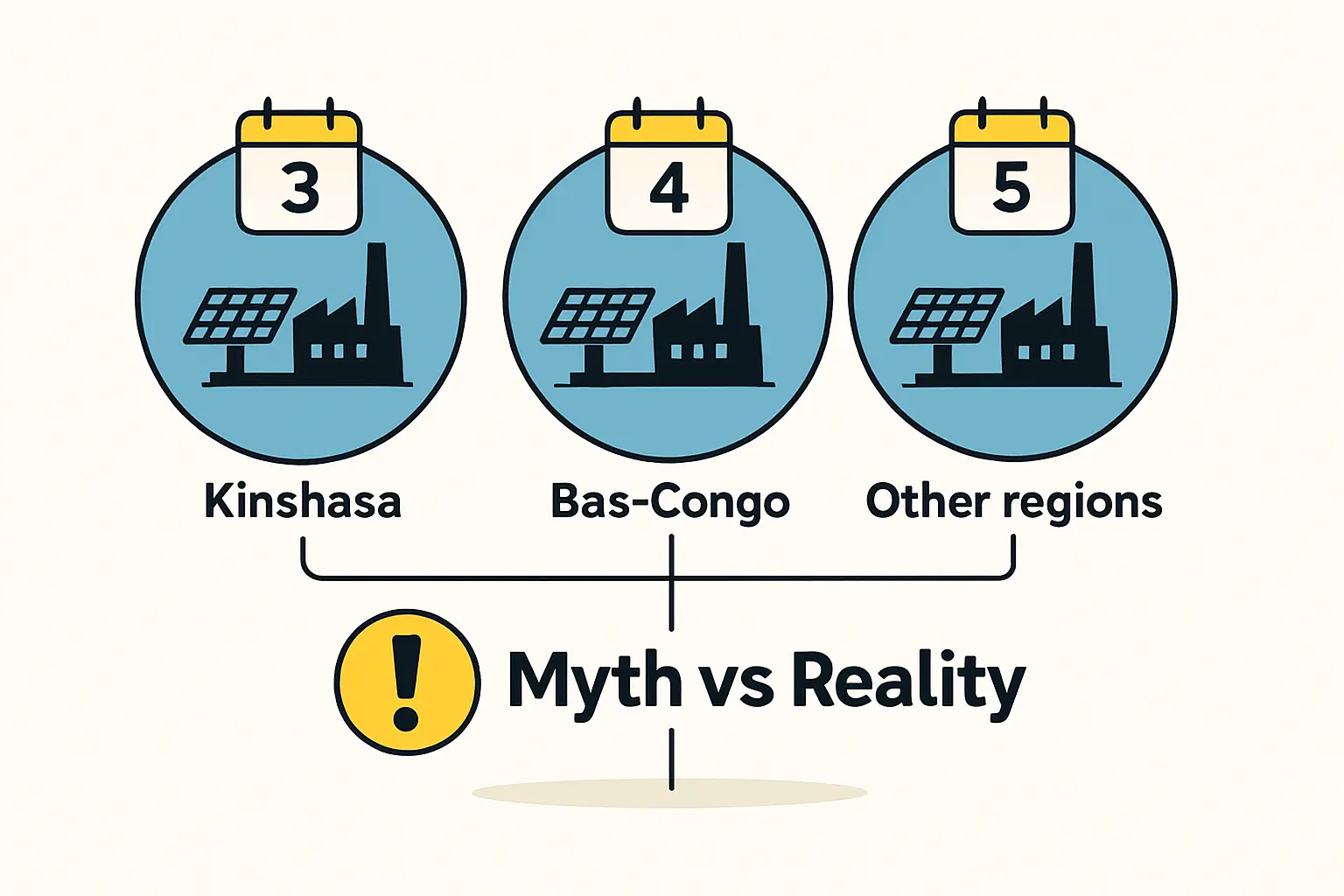
Corporate Income Tax Holiday: Approved projects are granted an exemption from corporate income tax (IBP) for three to five years, depending on the project’s location. This allows the business to reinvest early profits into growth and stabilization.
-
Property Tax Exemption: The factory building and land are exempt from property tax (IC) for the same duration as the income tax holiday.
-
Reduced Turnover Tax: Following the exemption period, a reduced turnover tax rate may apply, ensuring continued financial predictability.
Customs and Administrative Benefits
Beyond direct tax savings, ANAPI facilitates smoother administrative processing, saving investors both time and resources.
-
Streamlined Customs Clearance: ANAPI-approved projects benefit from an accelerated process for clearing imported goods, minimizing potential delays at the port.
-
Facilitation of Permits: The agency helps secure necessary work permits and visas for expatriate technicians and managers, which is essential for bringing in key personnel to oversee the initial setup and train local staff.
Guarantees and Investor Protection
Legal security is paramount for foreign investors. The Investment Code provides several fundamental protections to mitigate political and economic risks:
-
Equal Treatment: The code guarantees that foreign-owned companies receive the same legal treatment and protections as domestic ones.
-
Freedom to Repatriate Capital and Profits: Investors are legally entitled to transfer profits, dividends, and proceeds from the sale of the business out of the country, subject to compliance with foreign exchange regulations.
-
Protection Against Expropriation: The state cannot seize an investment without a public interest justification and prompt, fair, and equitable compensation. This legal stability is a crucial component of risk mitigation strategies, like those incorporated into J.v.G. Technology GmbH’s turnkey projects.
The ANAPI Application Process: A Step-by-Step Overview
To access these benefits, an investor must submit a detailed project proposal to ANAPI for approval. While the process is structured, it demands meticulous preparation.
-
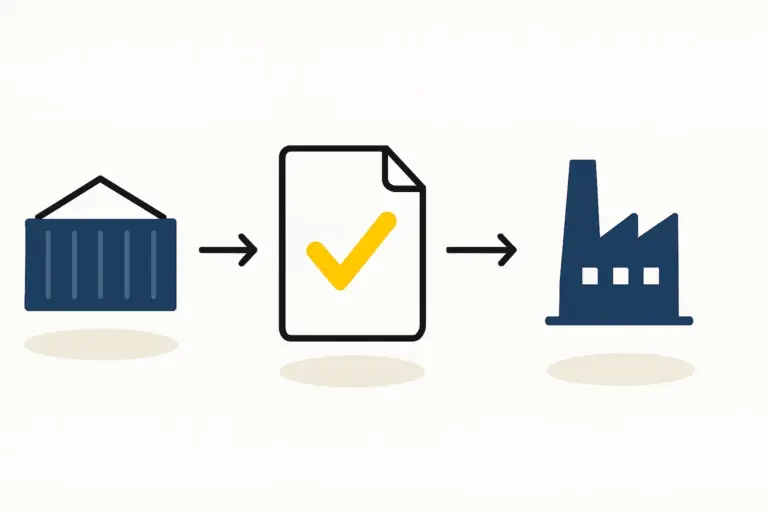
Project Submission: The investor submits an application file containing the company’s legal statutes, a detailed business plan, proof of financing, and a list of equipment to be imported. The quality of the solar module manufacturing business plan is often the determining factor for approval.
-
Eligibility Assessment: ANAPI’s technical committee reviews the application to ensure it complies with the Investment Code and aligns with national development priorities, such as job creation and technology transfer. Given this focus, solar energy projects are generally viewed favorably.
-
Approval and ‘Agrément’: Upon successful review, ANAPI grants an ‘Agrément,’ the official approval document that confers the status of a privileged investment under the code.
-
Implementation and Monitoring: Once operational, the company must submit periodic reports to ANAPI to demonstrate it is meeting the commitments made in its business plan, such as investment levels and job creation targets.
A common challenge for new entrants is preparing a proposal that meets ANAPI’s specific requirements. Experience shows that a successful application hinges on detailed financial projections and a clear outline of local employment benefits.
Regional Considerations: Beyond Kinshasa
The DRC’s Investment Code is not monolithic; it uses a tiered system to encourage development across the country. As such, incentives are often more generous for projects located outside the capital city of Kinshasa.
-
Economic Zone A: Kinshasa. Standard incentive package.
-
Economic Zone B: Kongo-Central, Lubumbashi, Likasi, Kolwezi. Often includes a longer tax holiday than Zone A.
-
Economic Zone C: Other provinces and cities. May offer the most extended tax exemptions and potentially other benefits.
This structure is particularly relevant for solar manufacturers. Establishing a facility closer to key mining regions in the Katanga province (Zone B) or in underserved eastern provinces (Zone C) could unlock both enhanced government support and proximity to a large, energy-deficient customer base.
Frequently Asked Questions (FAQ)
What is the minimum investment required to qualify for ANAPI incentives?
While the code mentions a minimum of USD 200,000 for foreign investors, the actual threshold is often evaluated based on the project’s nature and strategic importance. A small to medium-sized solar factory would comfortably exceed this minimum.
How long does the ANAPI approval process typically take?
Once a complete and compliant application is submitted, the official timeline for a decision is approximately 30 working days. However, applicants should factor in additional time for the thorough preparation of the required documentation.
Are these benefits only for solar panel manufacturing?
The Investment Code applies to most productive sectors. However, because renewable energy is a government priority, solar manufacturing projects receive strong consideration and support during the approval process.
Do I need a local partner in the DRC?
The law does not mandate a local partner for most investments. However, partnering with a reputable local entity can be highly beneficial for navigating the administrative landscape and understanding the market.
Can expatriate staff be hired for the factory?
Yes. ANAPI facilitates the necessary work visas and permits for the foreign technical and managerial staff required to establish and run the operation, particularly during its initial phases.
For any serious investor in the solar sector, understanding the DRC’s regulatory framework through ANAPI is the essential first step. This framework demonstrates that the country has a deliberate, legally backed strategy to attract foreign capital, particularly in high-impact industries like renewable energy.
The next step is to translate this regulatory opportunity into a concrete operational plan. A successful ANAPI application and a profitable long-term venture hinge on a robust business case, a detailed plan for the turnkey solar factory setup, and clear financial projections.