An entrepreneur secures investment for a new solar module factory in Kinshasa. The machinery is ordered, the facility is being prepared, and the business plan looks solid. Yet, the entire operation hinges on one critical, recurring challenge: the consistent and timely arrival of raw materials.
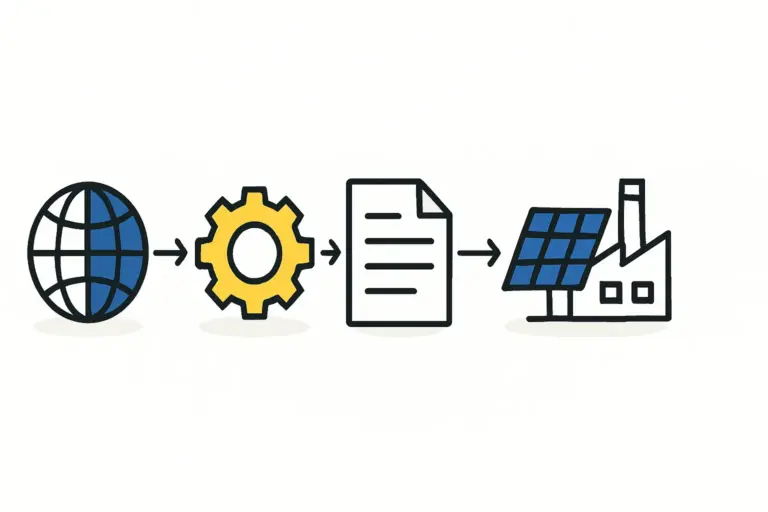
The journey of a single solar cell from a global supplier to the factory floor is a complex logistical chain. For any Kinshasa-based enterprise, this journey almost certainly runs through the Port of Matadi.
Understanding the unique logistical landscape of this vital corridor is not merely an operational detail; it is a strategic necessity for anyone planning to enter the solar manufacturing sector in the Democratic Republic of Congo.
The Strategic Importance of the Port of Matadi
Located on the Congo River, approximately 148 kilometers from the Atlantic coast, the Port of Matadi is the primary maritime gateway—the most crucial DRC sea port—for the western part of the DRC, including the capital, Kinshasa. It is the logistical heart through which the majority of imported goods—including the specialized raw materials required for solar panels—must pass.
For a solar module manufacturer, this means that every container of solar glass, every pallet of delicate photovoltaic cells, and every roll of EVA encapsulant begins its journey into the country here. Success hinges on mastering the two critical phases that start at the port: customs clearance and inland transportation.
Key Challenges in Customs Clearance
The arrival of a container at the port is only the first step. Navigating the customs process efficiently is crucial, as this is where significant delays and unexpected costs often arise. A well-prepared importer can manage this process smoothly, while an unprepared one risks substantial setbacks.
Understanding the DGDA Process
The Direction Générale des Douanes et Accises (DGDA) is the customs authority of the DRC. The clearance process involves submitting a detailed declaration supported by a complete set of shipping documents, including the bill of lading, commercial invoice, packing list, and certificate of origin.
New investors often underestimate the precision required. Minor discrepancies in paperwork can lead to inspections, re-valuations, and significant delays. Experience from J.v.G. turnkey projects in emerging markets shows that ensuring all documentation is flawless before the shipment leaves its port of origin is critical.
Tariffs, Taxes, and Exemptions
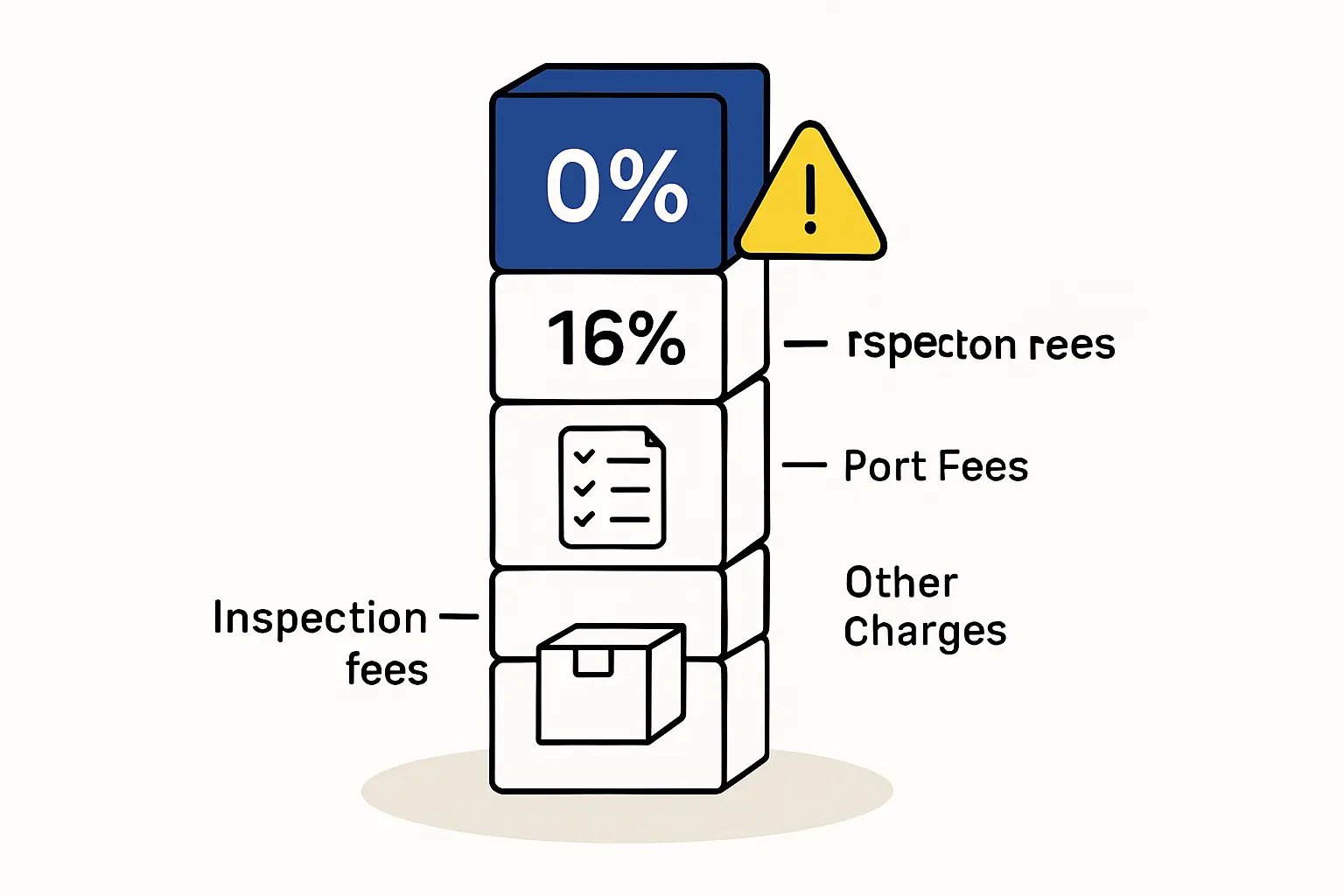
Importing goods into the DRC is subject to a range of duties and taxes, including customs duty, value-added tax (TVA), and other smaller fees. While governments in many regions offer exemptions or reduced tariffs for renewable energy components to encourage local manufacturing, accessing these benefits is not always straightforward.
The application of these exemptions can be inconsistent and may require specific approvals or certifications that must be secured in advance. Factoring standard tariff rates into the initial solar factory business plan is therefore a prudent approach, treating any potential savings as a financial upside rather than a certainty.
The Critical Role of a Local Customs Broker
For a foreign entrepreneur, attempting to navigate the customs process directly is ill-advised. The system is complex and requires established local relationships. Engaging a reputable, experienced customs broker or freight forwarder is not an optional expense—it is a mandatory investment.
An effective broker will manage all interactions with the DGDA at Matadi, prepare and submit the necessary declarations, and anticipate potential issues before they become costly problems. Their expertise is indispensable for ensuring a predictable and efficient supply chain.
Handling Sensitive Solar Components
Once a shipment has cleared customs, the focus shifts to the physical handling of the materials. The components used in solar panel manufacturing are often fragile, heavy, or sensitive to environmental conditions, requiring specialized care during unloading and transit.
Solar Glass and Photovoltaic Cells
These are arguably the most delicate components.
- Solar Glass: It is heavy and susceptible to cracking or shattering from impacts or improper handling. Crates must be moved carefully, kept upright, and secured properly for inland transport.
- Photovoltaic Cells: The cells themselves are paper-thin and extremely brittle. They are shipped in specially designed protective cases, but even minor shocks can cause micro-cracks that are invisible to the naked eye yet can compromise the performance and longevity of the final solar module.
EVA and Backsheet
Materials like EVA (ethylene vinyl acetate) and backsheets are delivered in rolls. These components are sensitive to moisture and high temperatures. Proper storage at the port and during transit is crucial to prevent material degradation that could lead to production defects.
The Final Stretch: Inland Transport from Matadi to Kinshasa
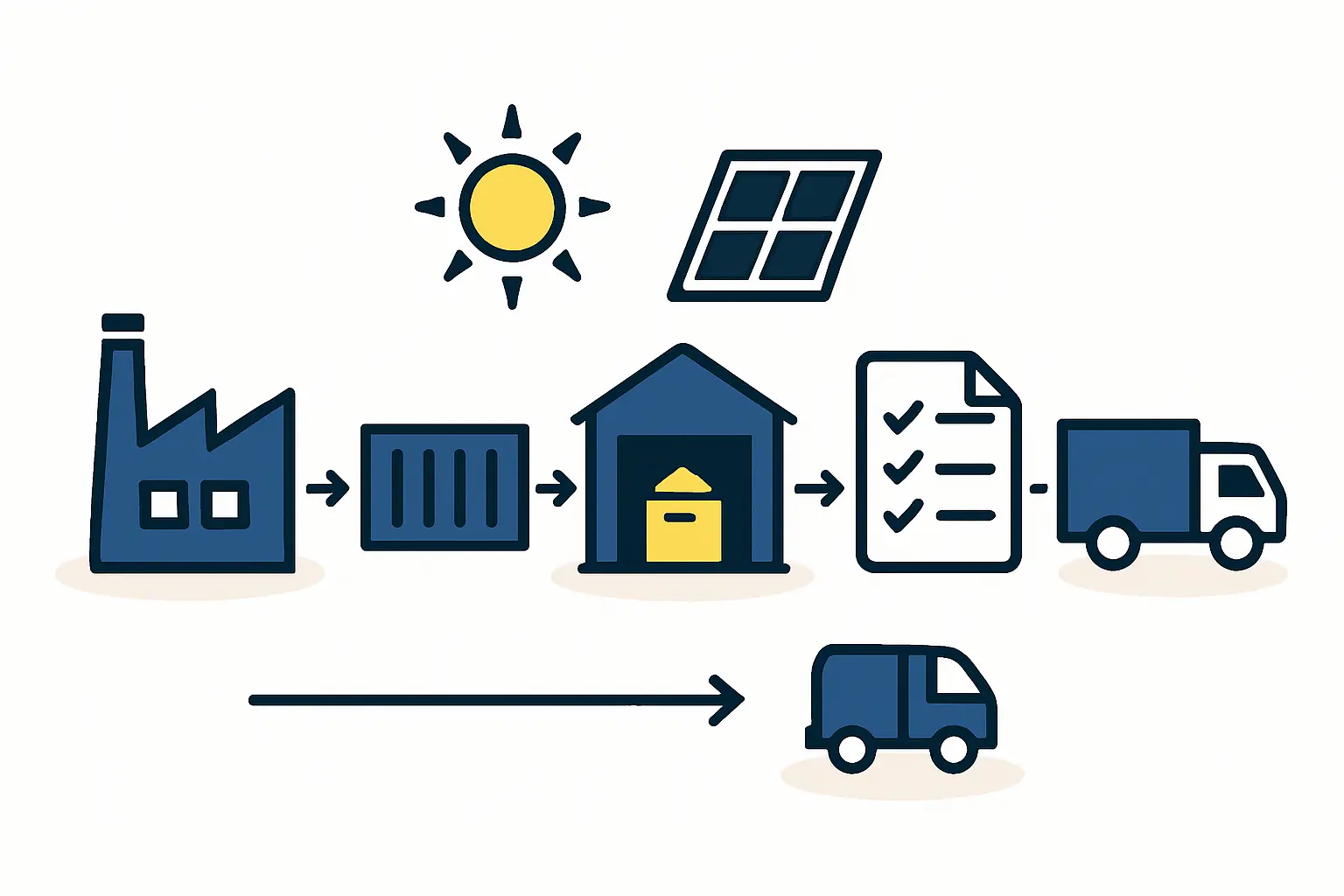
The 350-kilometer journey from the port to Kinshasa is the final and often most unpredictable leg of the supply chain. The primary artery for this route is Route Nationale 1.
While the distance is not vast, road conditions, heavy traffic, and numerous checkpoints can significantly extend the journey. Transit times can range from eight hours to more than a day, depending on the circumstances.
Key considerations for this stage include:
- Vehicle Suitability: Trucks with proper suspension and securing equipment are essential to protect fragile cargo from vibrations and shocks.
- Security: Arrangements to protect the high-value cargo from the port to the factory are vital.
- Insurance: Comprehensive ‘all-risk’ cargo insurance is non-negotiable. It should cover the goods from the port of origin all the way to the factory doors in Kinshasa.

Frequently Asked Questions (FAQ)
Q: How long does customs clearance typically take at the Port of Matadi?
A: With a proficient customs broker and all documents in order, the process can take 7 to 14 days. However, it is wise to budget for up to 21 days to account for potential delays, inspections, or administrative hurdles.
Q: What are the most critical documents for a smooth customs process?
A: The core documents are the Commercial Invoice, Bill of Lading (or Airway Bill), Packing List, Certificate of Origin, and an Import Declaration Form (IDF). Depending on the goods, specific additional permits may be required.
Q: Is it possible to air-freight raw materials directly to Kinshasa?
A: Yes, N’djili Airport (FIH) in Kinshasa can handle air cargo. This is a viable but significantly more expensive option, typically reserved for urgent, high-value, and less bulky components like solar cells or specialized electronic parts. Heavy materials like solar glass are almost always transported by sea.
Q: Why not use another port, such as Boma or Banana?
A: While Boma is another port on the Congo River, Matadi has traditionally handled the largest volume of cargo and has more developed infrastructure for containerized freight. The Port of Banana is a deep-water port at the mouth of the river, but its connection to the inland transport network for Kinshasa is less established than Matadi’s.
From Port to Production: The Foundation of Success
A successful solar module factory is built on more than just the right machinery; a robust and resilient supply chain is the lifeblood of the operation. For any entrepreneur planning to establish a turnkey solar manufacturing line in the Kinshasa region, mastering the logistics of the Matadi corridor is foundational to their success.
By anticipating challenges, partnering with local experts, and planning meticulously, a manufacturer can transform this potential bottleneck into a reliable and efficient part of their business model.