Initial planning for a solar module factory in the Horn of Africa often focuses on machinery, labor, and financing. Yet a more fundamental question often determines a venture’s success or failure: How will you reliably get raw materials in and finished products out?
A state-of-the-art production line is worth little if its supply chain is inefficient or broken.
This challenge highlights the critical role of the Port of Djibouti. More than just a port, it is a strategic economic lifeline for landlocked countries like Ethiopia and its neighbors. For any investor looking to capitalize on the region’s growing demand for solar energy, understanding the port’s capabilities and challenges is essential.
Understanding Djibouti’s Strategic Importance
The value of the Port of Djibouti extends far beyond its modern cranes and deep-water berths. Its primary advantages lie in its geography, stability, and infrastructure.
The Geographic Advantage
Positioned at the southern entrance to the Red Sea, the Port of Djibouti sits at the crossroads of one of the world’s busiest maritime trade routes, connecting Europe, Asia, and Africa. This location offers direct access for shipments of raw materials—such as solar cells, glass, and aluminum frames, predominantly sourced from Asia—without significant deviation from major shipping lanes.
Gateway to the Horn of Africa
Djibouti serves as the principal gateway for the region, most notably for Ethiopia, a nation of over 120 million people. The port handles an estimated 95% of Ethiopia’s inbound and outbound trade. This deep integration is anchored by the Addis Ababa-Djibouti Railway, a modern standard-gauge railway that has dramatically cut inland transit times for cargo from weeks to a matter of hours. For a solar manufacturer, this means a predictable and efficient corridor to a major market.
Political and Economic Stability
In a region that has faced periods of volatility, Djibouti stands out for its stability. This stability is a crucial factor for international investors and logistics operators, ensuring that supply chains remain operational and investments are protected.
The Logistics Flow for a Solar Manufacturing Plant
A successful solar manufacturing operation depends on a seamless flow of goods. The Port of Djibouti is central to both the inbound and outbound sides of this supply chain.
Inbound Logistics: Sourcing Raw Materials
The production of a solar module relies on a global supply chain, and a deep understanding of the raw materials for solar panels is the first step in planning a procurement strategy. Key components typically journey from manufacturing hubs in Asia to Djibouti.
- Procurement: Solar cells, tempered glass, EVA encapsulant, backsheets, and aluminum frames are ordered from suppliers, often in China or Southeast Asia.
- Sea Freight: Goods are loaded into standard 20-foot or 40-foot containers and shipped via major maritime carriers.
- Arrival and Clearance: Upon arrival at Djibouti’s Doraleh Multipurpose Port (DMP), the containers are offloaded and processed through customs.
- Inland Transport: Containers are then transferred to trucks or the railway for transport to a factory in a Djibouti free zone, across the border in Ethiopia, or in another neighboring country.
Outbound Logistics: Distributing Finished Modules
Once the solar panels are assembled, tested, and packaged, they must be distributed to end-users. From a logistical base in or near Djibouti, two primary channels emerge:
- Regional Distribution: The finished modules, carefully packed on pallets within containers, can be efficiently shipped via the railway or road network to distributors and large-scale project sites in Ethiopia and beyond.
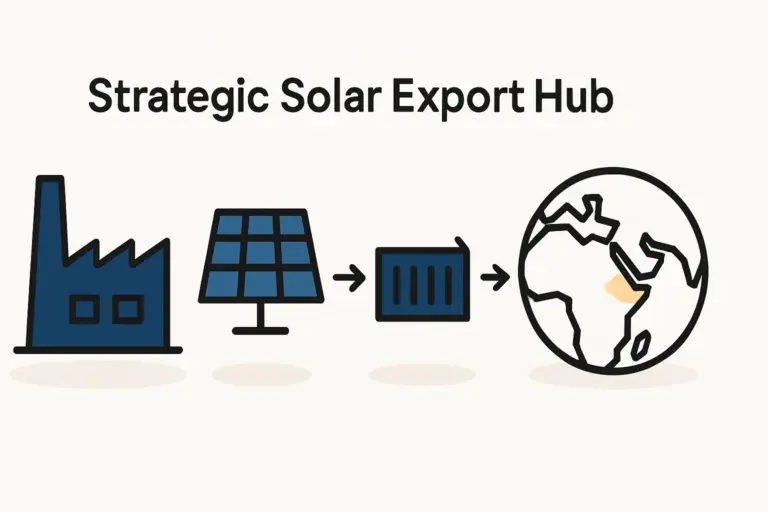
- International Exports: The port’s global connectivity allows a manufacturer to export finished panels to markets in the Middle East, other parts of Africa, or even back to global markets, taking advantage of trade agreements and market opportunities.
Key Infrastructure and Facilities
These geographic advantages are backed by substantial investment in modern infrastructure.
- Doraleh Multipurpose Port (DMP): This modern facility is equipped to handle a diverse range of cargo, including the containers used for both raw materials and finished solar panels. Its efficiency minimizes vessel waiting times and expedites the offloading process.
- Djibouti International Free Trade Zone (DIFTZ): Located adjacent to the port facilities, the DIFTZ offers significant advantages. Businesses operating within the zone benefit from tax incentives, streamlined customs procedures, and modern warehousing. This makes it an ideal location for a solar assembly plant or a central distribution hub.
- Addis Ababa-Djibouti Railway: This electric railway is a game-changer for regional logistics, providing a reliable, fast, and high-capacity link between the port and the industrial heartland of Ethiopia.
Practical Considerations and Potential Challenges
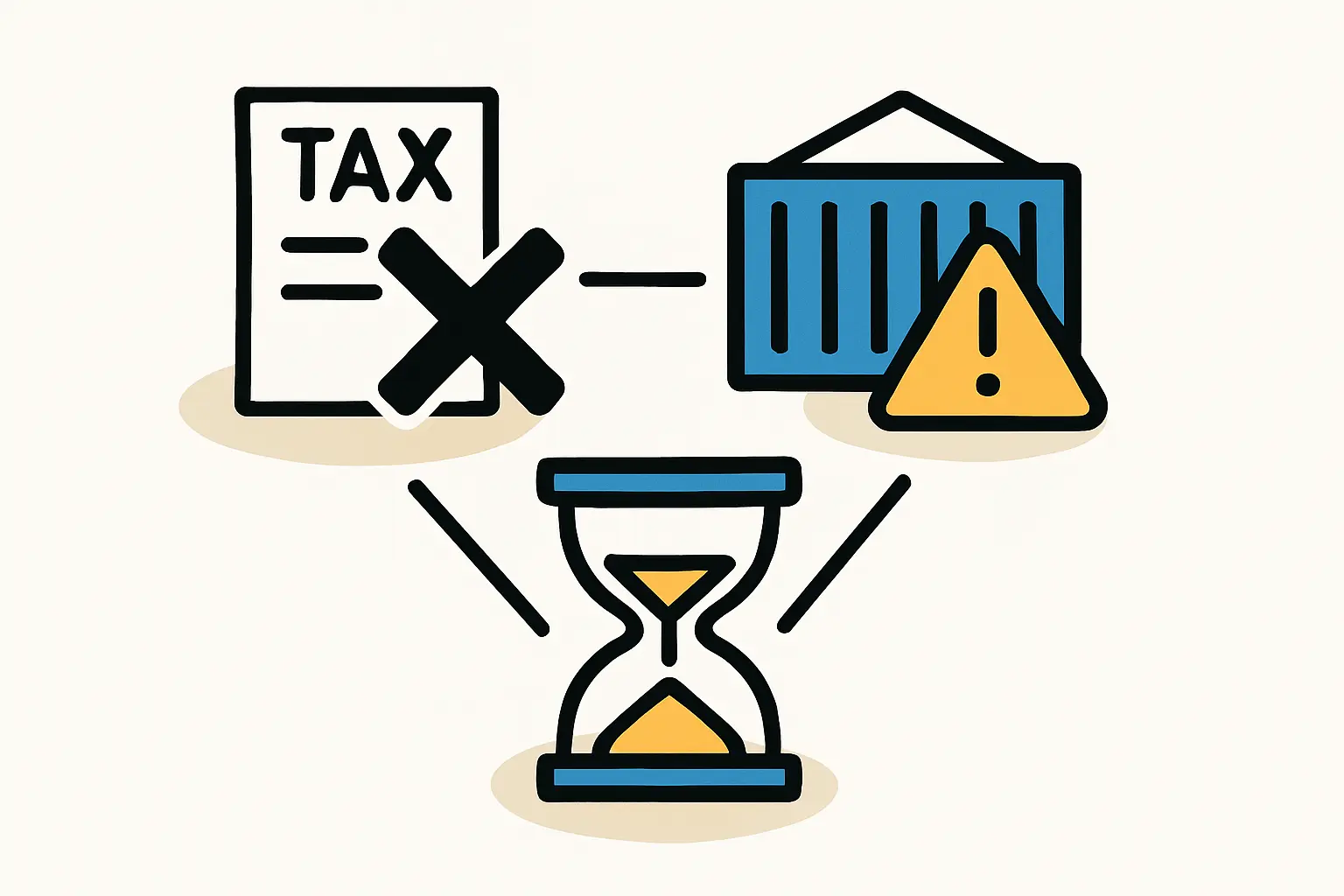
While Djibouti offers compelling advantages, a realistic business plan must also account for potential challenges. Effective solar supply chain management involves anticipating these regional risks and building resilient logistics plans.
- Cost Structure: Port handling fees, storage, and inland transportation costs in Djibouti can be relatively high compared to some other global ports. These logistical expenses are a critical component of the overall investment and must be carefully factored into financial projections.
- Bureaucracy: As with any major logistics hub, navigating customs and administrative procedures can be complex. Working with experienced and reputable local freight forwarders and customs agents is not just a recommendation; it’s essential for smooth operations.
- Regional Dependencies: The port’s throughput is heavily linked to the economic health of Ethiopia. Any political or economic instability in the region can directly impact logistics corridors and market demand.
Frequently Asked Questions (FAQ)
Why not use another port in the region, such as Berbera or Mombasa?
While ports like Berbera (Somaliland) and Mombasa (Kenya) are developing, Djibouti currently offers a superior combination of established modern infrastructure, security, and, most importantly, the dedicated high-capacity rail link to the primary market of Ethiopia. For serving that specific corridor, it remains the most efficient option.
Is it better to locate a factory in Djibouti’s Free Zone or in Ethiopia?
This is a strategic decision with trade-offs. A factory in the DIFTZ benefits from easier import of raw materials, tax advantages, and flexibility for re-exporting. A factory in Ethiopia is closer to the end market, reducing last-mile transportation costs, but may face different bureaucratic hurdles for importing components. The optimal choice depends on the specific business model.
What kind of shipping is used for solar materials and finished panels?
Both raw materials and finished modules are almost always shipped in standard sea containers. Raw materials are boxed or crated, while finished panels are stacked vertically on custom pallets and secured to prevent damage. The use of containers provides protection from the elements and simplifies handling.
How does the African Continental Free Trade Area (AfCFTA) affect this strategy?
The AfCFTA aims to reduce tariffs and trade barriers between African nations. This could make a Djibouti-based or Ethiopian factory even more attractive as a hub for ‘Made in Africa’ solar panels, enabling more competitive distribution to a growing list of countries across the continent.
Integrating Logistics into Your Business Plan
The Port of Djibouti is more than a transit point; it is a strategic enabler for industrial development in East Africa. For any entrepreneur planning to enter the solar manufacturing sector in this region, a thorough analysis of the logistics landscape is not an afterthought—it is a foundational element of a viable business plan.
By leveraging Djibouti’s unique combination of location, stability, and infrastructure, a solar manufacturing venture can build a resilient supply chain, access one of Africa’s largest emerging markets, and establish a strong foothold for future growth. It’s this level of detailed analysis and planning support that platforms like pvknowhow.com provide for new market entrants, turning logistical challenges into strategic advantages.