When planning a new solar module factory, entrepreneurs often focus on machinery, labor, and raw materials. One of the most significant and volatile costs, however, is frequently underestimated: the price of electricity. In many regions, energy can account for up to 30% of a factory’s total operating expenses. This single factor can determine the profitability and long-term viability of the entire venture.
Imagine a location where this major operational risk could be transformed into a distinct competitive advantage. The Commonwealth of Dominica, a Caribbean island nation, offers precisely this opportunity. With its vast, untapped geothermal resources, Dominica is poised to provide some of the lowest-cost, most stable, and greenest electricity in the region. This article examines the cost-benefit analysis for entrepreneurs considering Dominica as a strategic location for a solar module manufacturing facility, powered by the earth’s own heat.
The Critical Role of Energy in Solar Module Production
A solar module factory is an energy-intensive operation. Key manufacturing stages, such as the lamination process where modules are cured under heat and pressure, and the constant operation of automated stringers and testing equipment, consume significant amounts of electricity. Unlike some industries that can operate in shifts, a solar factory’s lamination and testing lines must often run 24/7 to maximize throughput and return on investment.
This constant energy demand makes the factory highly sensitive to electricity pricing and grid stability. In many emerging markets, manufacturers face two primary challenges.
High Electricity Costs: Power generated from imported diesel is common in island nations, leading to costs that can exceed $0.33 – $0.44 USD per kilowatt-hour (kWh).
Price Volatility: Dependence on fossil fuels links a factory’s profitability directly to unpredictable global energy markets. A sudden spike in oil prices can erase profit margins overnight.
These factors are a core component of a factory’s operational expenditures (OPEX). This makes a thorough analysis of energy infrastructure not just a technical detail—it is a critical step in business planning.
Dominica’s Untapped Resource: Geothermal Power
The Commonwealth of Dominica has an estimated 700 megawatts (MW) of geothermal potential, a remarkable resource for a country of its size. The government, through the Dominica Geothermal Development Company (DGDC), is actively developing this resource, starting with a 10 MW power plant. This initiative is designed to transition the country away from fossil fuels, providing clean, reliable, and significantly lower-cost electricity to its citizens and industries.
The project’s scope extends beyond domestic supply. Through the Eastern Caribbean-Linkages for Energy and LLES (E-LLES) project, there are plans to export surplus electricity to the neighboring islands of Martinique and Guadeloupe via a subsea cable. This positions Dominica as a future hub for green energy in the region, creating a stable, long-term ecosystem for energy-intensive industries.
How Geothermal Power Works: A Stable Energy Source
For those unfamiliar with the technology, geothermal energy harnesses the natural heat of the earth. In volcanic regions like Dominica, this heat is much closer to the surface.
Ready to make big Profits?
The solar Industry is Booming
WE HELP NEWCOMERS to the solar industry start their own solar module production line. Customers can make BIG PROFITS by selling modules and finding investors, without wasting money and time on things they don't need!
The process is straightforward and reliable:
Extraction: Wells are drilled deep into underground reservoirs to bring hot water and steam to the surface.
Generation: The steam is used to turn a turbine, which drives a generator to produce electricity.
Reinjection: The cooled water is then returned to the reservoir to be reheated, creating a sustainable, closed-loop system.
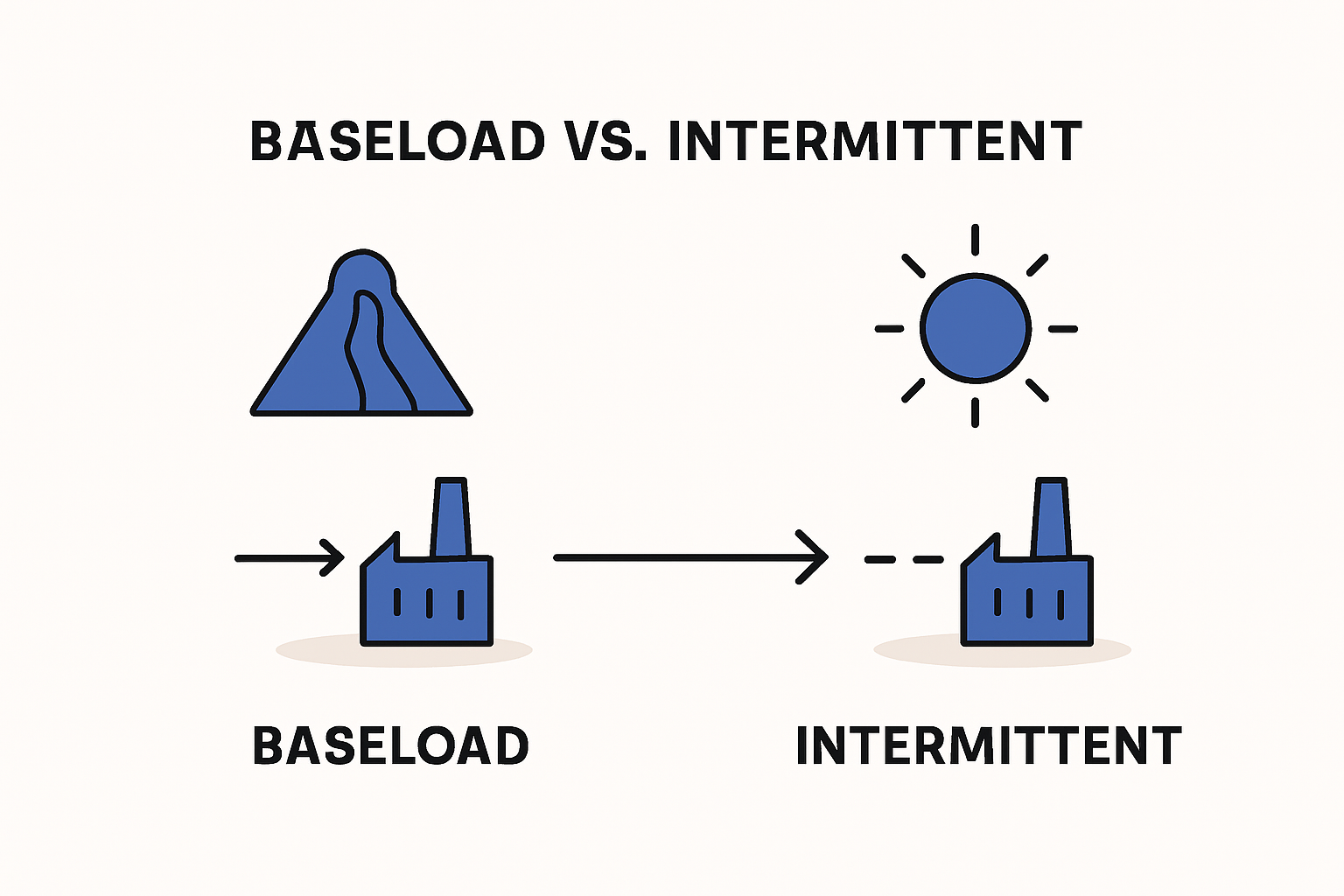
Unlike solar or wind power, which are intermittent, geothermal energy provides a constant, 24/7 baseload power source. This level of reliability is essential for a manufacturing facility that cannot afford unexpected shutdowns or fluctuations in power supply.
Cost-Benefit Analysis: Geothermal vs. Conventional Power
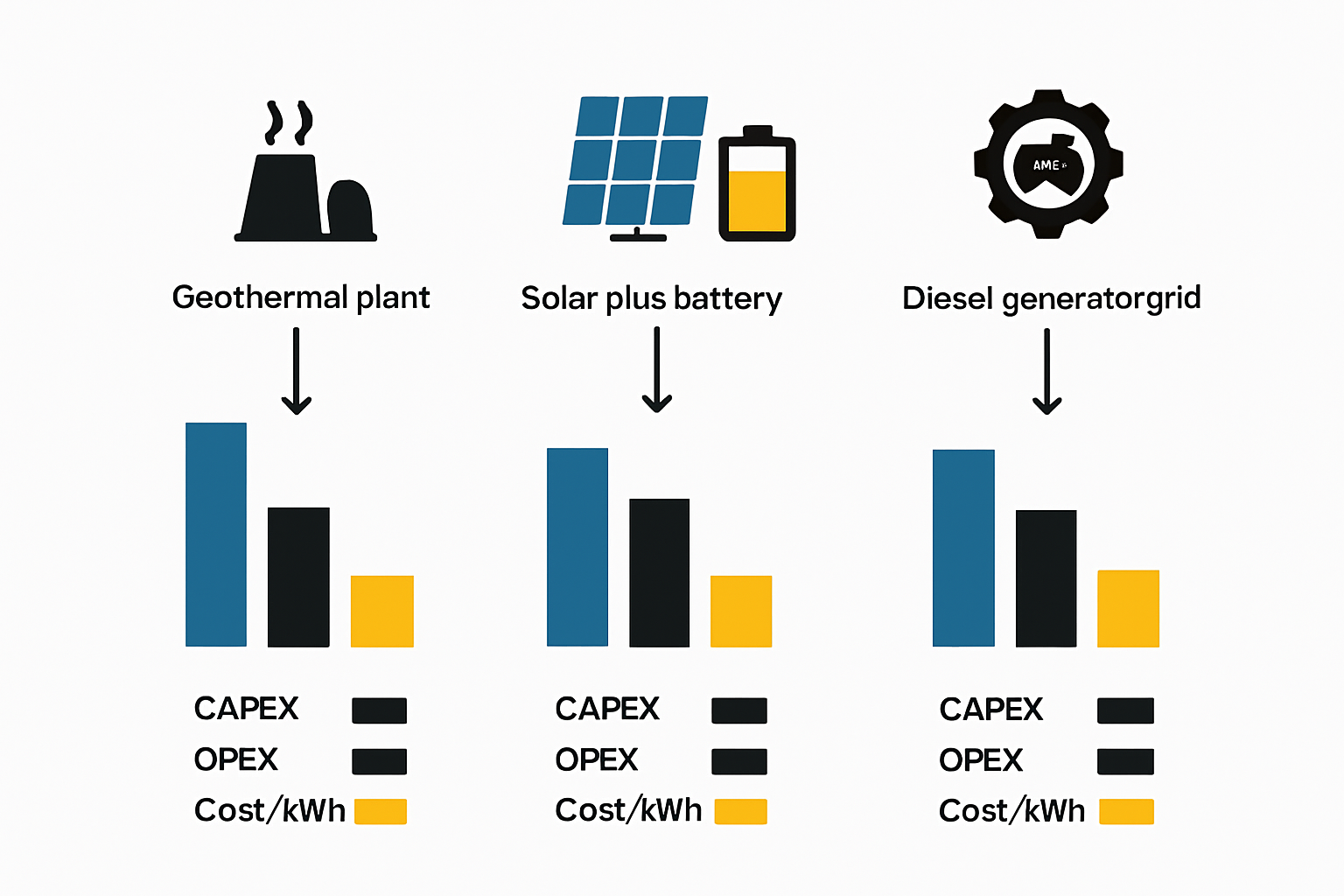
The business case for establishing a solar factory in Dominica is particularly compelling when analyzing the numbers. The primary benefit lies in the drastic reduction and stabilization of energy costs.
Current Challenge: Diesel-Based Electricity
High Cost: As noted, electricity prices in the Caribbean often range from $0.33 to $0.44 USD/kWh. For a 50 MW solar factory, this can translate into millions of dollars in annual energy costs.
Volatility: These prices are directly tied to the global oil market, making long-term financial forecasting difficult and exposing the business to external shocks.
The Geothermal Solution
Lower Cost: While final tariffs are yet to be set, electricity from the geothermal plant is projected to be significantly cheaper than current diesel-generated power, fundamentally altering the financial model for manufacturers.
Price Stability: Geothermal energy has no fuel cost. Its pricing is based on the initial plant investment and ongoing maintenance, making it highly predictable and stable for decades. This allows for precise long-term planning and budgeting.
A reduction in energy costs directly reduces the production cost per module. If electricity represents 30% of OPEX, a 50% reduction in electricity price could lower the total operational cost of the factory by 15%—a substantial competitive advantage in a global market.
Strategic Implications for Investors
The availability of low-cost geothermal power offers more than just financial savings. It also creates a powerful set of strategic advantages for an investor planning a turnkey solar module manufacturing line.
-
Reduced Operational Risk: The business is insulated from the price volatility of fossil fuels, a major risk factor in most other locations.
-
Enhanced Profitability and Competitiveness: Lower production costs enable more competitive pricing, higher profit margins, or both. This is particularly advantageous when competing against manufacturers in regions with subsidized or less stable energy.
-
A Powerful Marketing Narrative: Manufacturing solar modules using 100% renewable, 24/7 geothermal energy creates a compelling brand story. This “green-on-green” credential can be a significant differentiator in environmentally conscious export markets like Europe and North America.
-
Alignment with Government Incentives: The government of Dominica is actively encouraging investment in sectors that can leverage its green energy advantage, which suggests a favorable regulatory and business environment. Careful planning of the factory building requirements can further align the project with local development goals.
Experience from J.v.G. turnkey projects confirms that securing a stable and cost-effective energy supply is one of the most important milestones in de-risking a new manufacturing investment.
Frequently Asked Questions (FAQ)
What is geothermal energy?
Geothermal energy is thermal energy generated and stored in the Earth. It is a renewable resource that harnesses the natural heat from the planet’s core to generate electricity.
How reliable is geothermal power for a factory compared to solar or wind?
Geothermal power is exceptionally reliable. Unlike solar (which depends on daylight) or wind (which depends on weather), geothermal plants can operate continuously, 24 hours a day, 365 days a year. This provides the stable “baseload” power that is ideal for industrial and manufacturing processes.
What is the timeline for Dominica’s geothermal plant to become operational?
The Dominica Geothermal Development Company is actively developing the project. While specific commissioning dates are subject to project milestones, the development is a national priority, with drilling and construction phases well underway. Investors should consult official government sources for the latest updates.
Does using geothermal power affect the solar module manufacturing process itself?
No. The manufacturing process remains exactly the same. The source of electricity—whether from a geothermal plant or a conventional grid—does not alter the technical requirements for the machinery or the quality of the final product. The only difference is a more stable, cleaner, and lower-cost power supply.
Conclusion: A Strategic Blueprint for Success
The decision of where to locate a solar module factory is one of the most consequential decisions an investor will make. While labor costs, logistics, and market access are important, the long-term cost and stability of energy can be the deciding factor between success and failure.
The Commonwealth of Dominica therefore offers a rare strategic opportunity. Its commitment to developing its geothermal resources is creating an industrial ecosystem powered by low-cost, stable, and 100% renewable energy. For entrepreneurs looking to enter the solar manufacturing industry, this transforms a primary operational risk into a foundational competitive advantage, paving the way for a profitable and sustainable business venture.