Successful entrepreneurs exploring the renewable energy sector often find a landscape rich with opportunity but clouded by complexity. Headlines announce billions in ‘green transition’ funding, yet the path to accessing these resources is often unclear. For the international investor, the challenge is not a lack of ambition, but the need for a clear map. Finland presents a unique solution: a stable, technologically advanced country that offers a structured gateway to some of the world’s most significant green technology investment incentives.
This article provides a clear, high-level overview of the financial support available for new renewable energy manufacturing projects in Finland. It outlines the key national and European Union (EU) funding mechanisms and explains the typical process for an investor seeking to establish a production facility.
Why Finland is a Prime Location for Green Technology Investment
Beyond its stable political climate and highly skilled workforce, Finland’s strategic appeal lies in its deep alignment with global green objectives. The nation’s goal to achieve carbon neutrality by 2035—one of the most ambitious targets globally—creates powerful policy-driven support for green industries. This commitment is not merely political; it is financial.
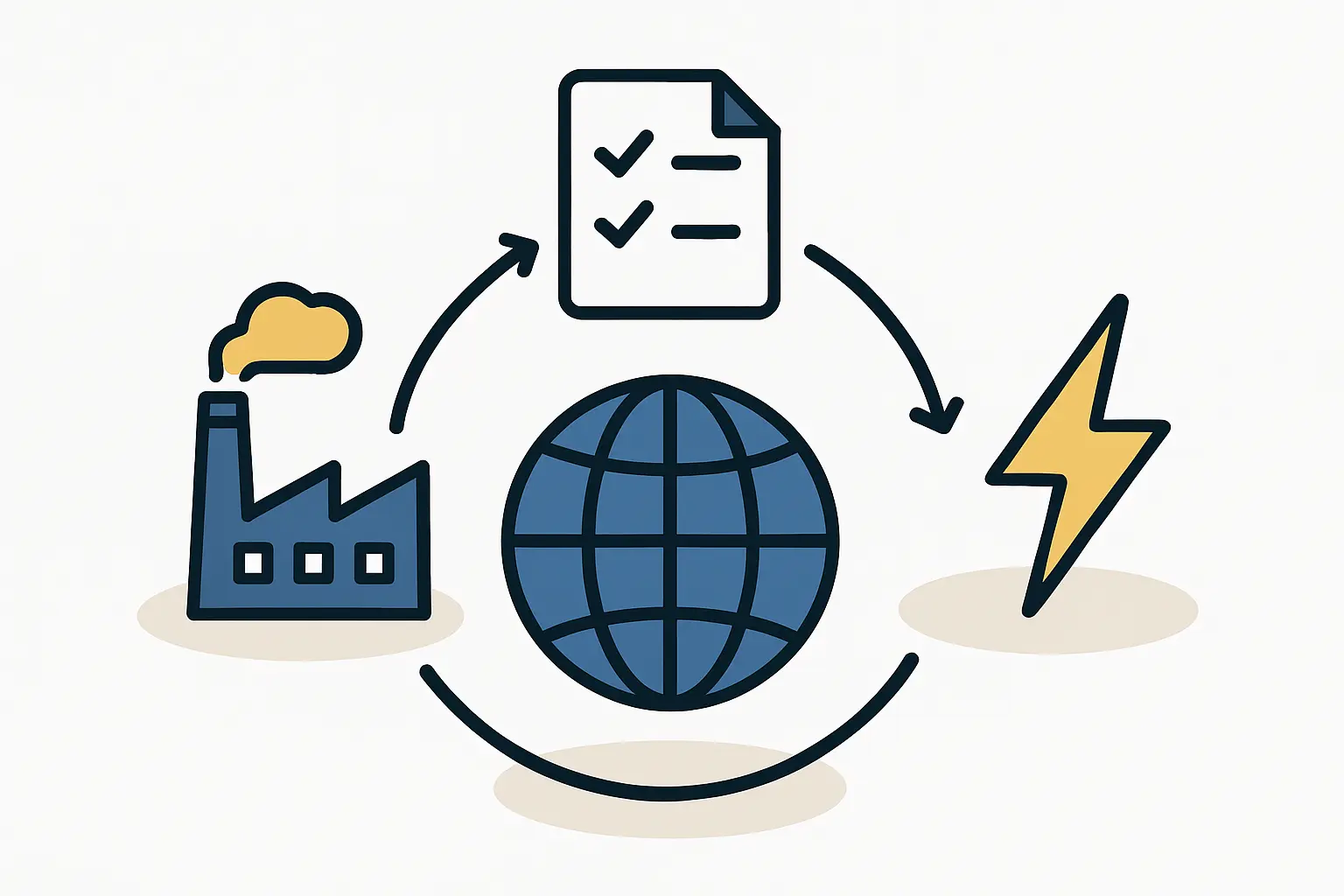
Investors establishing operations in Finland gain a distinct advantage: access to both robust national support systems and the vast financial resources of the European Union. The EU increasingly channels these funds toward sustainable projects under frameworks like the EU Green Deal and the REPowerEU plan. This dual-access model significantly enhances the financial viability of new manufacturing ventures.
Understanding the Two Main Tiers of Financial Support
Financial incentives for green technology in Finland operate on two main tiers. The first tier consists of national programs managed by Finnish state agencies. The second comprises large-scale, pan-European funds accessible to businesses operating within an EU member state like Finland.
For a new investor, the journey almost always begins with the national agencies. They not only provide direct funding but also serve as crucial guides and partners in navigating the larger EU-level opportunities.
National Investment Incentives: Your First Port of Call
Finland has two primary state-owned organizations dedicated to fostering business growth and investment.
Business Finland is the country’s main agency for innovation funding and trade promotion. For an investor planning a new manufacturing plant, Business Finland offers several forms of support:
- Grants for Research & Development: Funding for the early stages of product or process development.
- Investment Aid: Direct grants for tangible and intangible investments, particularly for projects in developing regions of the country.
- Energy Aid: Subsidies specifically for investment projects that promote renewable energy, energy efficiency, or new energy technologies.
Finnvera is a specialized financing company that complements the offerings of commercial banks. Its primary role is to mitigate risk by providing guarantees and loans. For an entrepreneur seeking to finance the significant investment requirements for a new solar factory, a guarantee from Finnvera can be the key to securing favorable terms from a private lender.
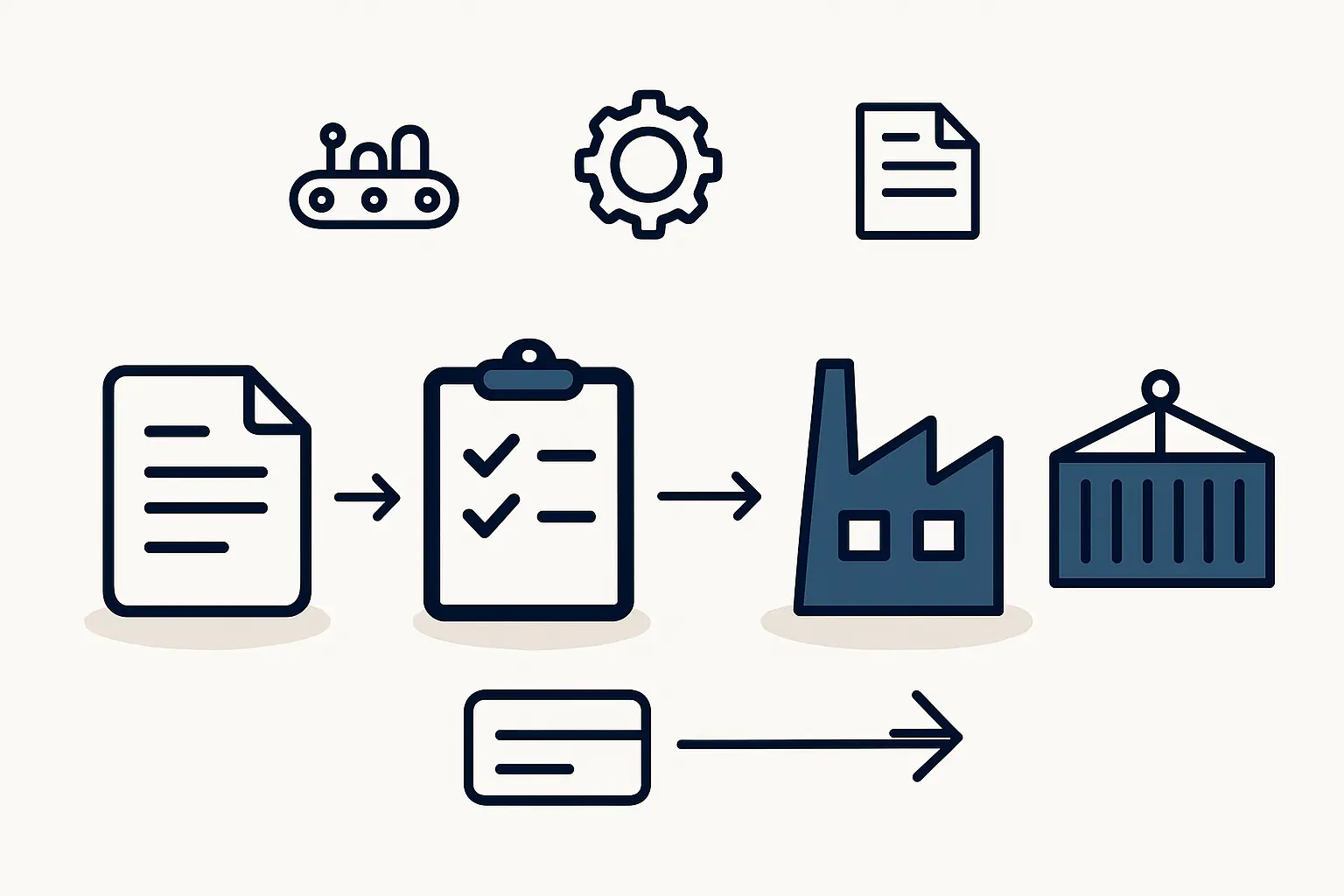
These national bodies are designed to be the first point of contact. They assess the business plan, its alignment with national priorities, and its potential for success before recommending further steps.
Leveraging European Union Funding Mechanisms from Finland
Once a business is legally established in Finland, it can apply for major EU-level funding. These programs are designed for large-scale, transformative projects that contribute to the continent’s strategic autonomy and climate goals.
- The EU Innovation Fund: One of the world’s largest funding programs for innovative low-carbon technologies, it is financed by revenues from the EU Emissions Trading System (ETS) and supports projects with capital expenditures typically exceeding €7.5 million. The fund focuses on breaking new ground in sectors like renewable energy, energy storage, and carbon capture.
- InvestEU Programme: The InvestEU Programme stimulates private investment by providing an EU budget guarantee to implementation partners, primarily the European Investment Bank (EIB) Group. This de-risks large projects, making it easier to attract private capital for a turnkey production line setup that might otherwise be considered too high-risk by commercial lenders alone.
- Recovery and Resilience Facility (RRF): Established in response to the pandemic, the RRF has a substantial portion dedicated to the green transition. Each member state directs its RRF allocation via a national plan. Finland’s plan specifically targets investments in the green transition, including advancements in the battery value chain and hydrogen production.
The Application Pathway: A Step-by-Step Overview
While each fund has specific criteria, the general pathway for an international investor follows a logical progression.
- Develop a Robust Business Plan: Every application begins with a comprehensive business plan and feasibility study. This document must convincingly detail the technology, market analysis, financial projections, and the project’s environmental impact.
- Engage with National Authorities: The first formal step is to present the project to Business Finland. Their experts will evaluate the plan and provide guidance on the most suitable national or EU-level funding instruments.
- Prepare a Compliant Project Proposal: The formal application requires meticulous detail. It must not only demonstrate commercial viability but also quantify its contribution to climate targets, such as CO2 emissions reduction or energy system improvements. Experience with large-scale turnkey projects shows that having clear documentation on the technology’s readiness level and supply chain resilience is critical at this stage.
- Undergo Due Diligence: Successful initial applications are followed by an intensive due diligence process. The funding authority will conduct technical, financial, and legal reviews to validate every aspect of the proposal before a final funding decision is made.
Key Considerations for International Investors
Navigating this landscape successfully requires a strategic approach.
- Alignment with Policy Goals: The most successful applications are those that directly support the stated strategic objectives of both Finland and the EU. This currently includes energy independence, development of circular economies, and securing critical raw material supply chains.
- Local Expertise: Partnering with local consultants or engineering firms familiar with the Finnish and EU regulatory environment can prevent costly delays and administrative errors.
- Long-Term Vision: These incentives are intended to build lasting industrial capacity. Projects must demonstrate a long-term commitment to operating, innovating, and contributing to the local and European economy.
Frequently Asked Questions (FAQ)
What is the typical success rate for these applications?
Success rates vary significantly by fund. However, applications that are well-prepared, professionally documented, and clearly aligned with the specific fund’s strategic goals have a much higher probability of success than speculative proposals.
Do I need a Finnish company to apply for these funds?
Yes, to access national funding and to use Finland as a base for EU funding, an investor must establish a legal entity registered in Finland. This entity becomes the official applicant.
How long does the application process typically take?
The timeline depends on the scale and complexity of the fund. Smaller national grants may be decided within six months, while major EU-level funding decisions can take 12 to 18 months or longer from initial submission to final approval.
What are the most common reasons for an application to be rejected?
Common reasons for rejection include a weak or incomplete business case, insufficient technical detail, a lack of demonstrable innovation, or a clear misalignment with the fund’s specific objectives. A well-structured solar module manufacturing business plan is the best defense against these pitfalls.
Your Next Steps in Exploring Finnish Incentives
Finland offers a highly structured and supportive environment for entrepreneurs looking to establish manufacturing facilities in the green technology sector. The combination of national support and access to EU-level capital creates a powerful financial foundation for ambitious projects.
The journey begins not with an application form but with diligent preparation and a deep understanding of the strategic landscape. For investors ready to take the first step, building a credible and successful investment case is the foundation of your success in Finland’s green technology sector.