Disclaimer: This case study represents a composite example derived from real-world
consulting work by J.v.G. Technology GmbH in solar module production and factory optimization. All data points are realistic but simplified for clarity and educational purposes.
An investor looking at Ghana sees immense potential: a stable, growing economy, high solar irradiation, and a government committed to increasing renewable energy to 10% of the national mix by 2030. The opportunity to establish a local solar module manufacturing facility is clear, yet the path from vision to operation is paved with regulatory requirements that can seem complex from the outside.
The key questions often revolve around securing land and navigating environmental approvals—two pillars of any industrial project. This guide offers a clear blueprint for the land acquisition and Environmental Protection Agency (EPA) permitting processes in Ghana. It is designed to help business professionals understand the legal framework, anticipate challenges, and plan a compliant and successful entry into the country’s burgeoning solar market.
Understanding the Regulatory Framework: Key Institutions and Laws
Before beginning, it’s essential to understand the primary governmental bodies that will shape your project. Think of these as the three key gatekeepers for industrial investment in Ghana:
-
Ghana Investment Promotion Centre (GIPC): The GIPC is the main government agency for encouraging and facilitating investment in Ghana. Under the GIPC Act 2013 (Act 865), it handles the registration of foreign-owned companies and ensures they comply with investment regulations.
-
Lands Commission: Established by the Lands Commission Act 2008 (Act 767), this body manages public lands and maintains records of all land titles and transactions. It is a critical partner for verifying ownership and formalizing any land acquisition.
-
Environmental Protection Agency (EPA): Operating under the EPA Act 1994 (Act 490), the EPA is mandated to ensure all development projects are environmentally sustainable. It is the authority that issues the necessary environmental permits before construction can begin.
Familiarity with these institutions and their governing acts provides a solid foundation for the practical steps that follow.
Phase 1: Securing Industrial Land for Your Solar Module Facility
Acquiring the right location is the first physical step in establishing your factory. A typical 20-50 MW turnkey solar factory requires 2,000 to 5,000 square meters of industrial-zoned land to accommodate its production line, warehousing, and administrative offices. The acquisition process in Ghana has unique characteristics that investors must understand.
The Challenge of Land Tenure in Ghana
Ghana has a dual land tenure system, with land held by either the state or customary owners (stools or skins). Since approximately 80% of the land is under customary ownership, thorough due diligence is not just a recommendation but a necessity to prevent future disputes.
For foreign investors, the Ghanaian Constitution stipulates that land cannot be owned outright. Instead, it is acquired on a leasehold basis for a maximum of 50 years, a term which is typically renewable.
A Step-by-Step Process for Land Acquisition
-
Site Identification and Due Diligence: The process begins with identifying suitable industrial-zoned land. Once a potential site is found, a surveyor and a legal professional must conduct a search at the Lands Commission to verify the seller’s title, check for any competing claims or liens, and confirm the site boundaries.
-
Engaging the Lands Commission: The Commission’s role is to provide official verification of the land’s status. This step formally confirms that the land is unencumbered and the transaction can proceed.
-
Negotiating and Executing the Lease Agreement: Once the title is clear, a lease agreement is negotiated. This legal document outlines the term (up to 50 years), rent, and conditions of use. It is essential that this agreement be drafted by experienced legal counsel.
-
Stamping and Registration: The executed lease must be stamped by the Ghana Revenue Authority and then registered with the Lands Commission. This final step, known as title perfection, gives the investor a legally recognized and defensible interest in the property.
Common Pitfalls and How to Avoid Them
The most significant risk in Ghanaian land acquisition is dealing with sellers who lack a clear, undisputed title, particularly on customary land. Engaging reputable local legal counsel from the start is the most effective way to mitigate this risk. They can navigate the complexities of title verification and ensure all statutory requirements are met.
Phase 2: Navigating the Environmental Protection Agency (EPA) Permitting Process
With land secured, the next major milestone is obtaining an environmental permit from the EPA. This process is not merely a bureaucratic hurdle but a critical planning tool that ensures your factory operates sustainably and in harmony with the local community. For a manufacturing facility, an Environmental Impact Assessment (EIA) is almost always required.
The EIA Process Demystified
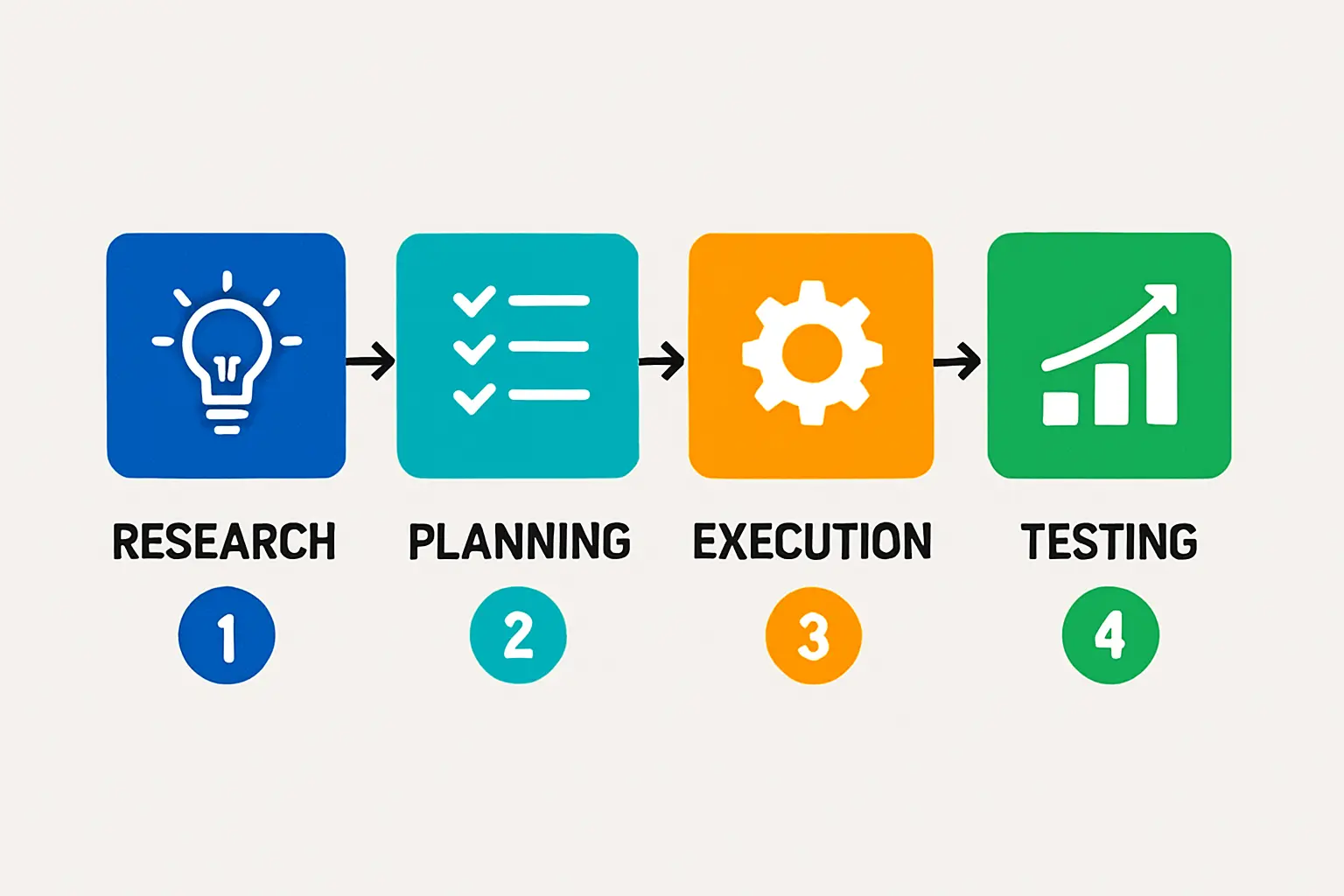
The EIA is a systematic review of the potential environmental impacts of a proposed project. The EPA outlines a clear, multi-stage procedure:
-
Project Registration and Screening: The investor registers the project with the EPA, providing a description of the factory, its location, and planned operations. The EPA then screens the project to determine the necessary level of environmental assessment.
-
Scoping and Terms of Reference (ToR): If an EIA is required, the next step is scoping. This involves identifying the key environmental issues to be studied. The result is a Terms of Reference document, which the EPA must approve before the full study can begin.
-
Conducting the EIA Study: An independent environmental consultant conducts the study. For a solar factory, this assessment will cover factors like water usage, solid waste management (from broken glass or EVA off-cuts), air quality, and noise levels. The design of a modern production line often simplifies this. For instance, the waste streams from an EVA lamination process are well-defined and easily manageable, which strengthens the EIA report.
-
Public Consultation: Ghanaian regulations often require public disclosure and consultation, especially for projects with a significant footprint. This step ensures that the concerns of the local community are heard and addressed in the final project design.
-
Review and Permitting: The final EIA report is submitted to the EPA for review. If the report demonstrates that environmental impacts have been adequately identified and mitigated, the EPA will issue an environmental permit, allowing construction to start.
Local Content and GIPC Registration: Integrating Your Project
Beyond land and environmental permits, successfully establishing your factory means integrating it into the Ghanaian economy. This process is managed primarily through the GIPC.
Meeting GIPC Requirements
All enterprises with foreign participation must register with the GIPC, which requires meeting certain minimum foreign capital thresholds. For a joint venture with a Ghanaian partner, the minimum is typically $200,000. For a wholly foreign-owned enterprise, it rises to $500,000. These investments can be made in cash or in kind, such as imported machinery for the production line.
Understanding Local Content
Ghana’s local content policies are designed to promote employment for Ghanaians and encourage the use of local goods and services. For a solar module factory, this presents an opportunity. While specialized machinery will be imported, there are many areas to integrate local content, including civil works, logistics, administrative staff, and sourcing materials like aluminum frames or packaging. A starter line typically employs 25–30 staff, presenting a significant local employment opportunity.
Frequently Asked Questions (FAQ)
How long does the entire land and permitting process take in Ghana?
While timelines vary, a reasonable estimate for securing land and obtaining an EPA permit is 6 to 12 months. Diligent project management and experienced local partners can help streamline this process.
What are the main costs associated with land acquisition and EPA permits?
Costs are project-specific and include legal fees for due diligence and negotiation, land survey costs, lease registration fees, and fees for the EIA consultant and EPA processing. These should be factored into the initial project budget.
Can a foreign company own land outright in Ghana?
No. Under the Constitution of Ghana, non-citizens can only lease land for a maximum of 50 years at a time. However, these leases are generally renewable.
Do I need a local partner to invest in Ghana?
A local partner is not mandatory for all sectors. However, a joint venture with a Ghanaian entity lowers the minimum foreign capital requirement with the GIPC and can provide invaluable local knowledge and networks.
What happens after the initial 50-year lease expires?
Lease agreements typically include provisions for renewal. The process involves renegotiating terms with the landowner and is a standard procedure; long-term industrial investors can generally expect to renew their leases.
Your Next Steps on the Path to Production
Navigating Ghana’s regulatory landscape requires a structured approach grounded in thorough due diligence. By understanding the roles of the GIPC, the Lands Commission, and the EPA, investors can confidently move from initial interest to a fully permitted, operational facility.
These regulatory steps are the first phase of project planning. The next involves developing a robust financial model and defining the technical specifications for your plant. A comprehensive solar factory business plan is an essential tool for this subsequent phase, ensuring your investment is built on a solid legal and commercial foundation.
Download: Ghana Solar Factory EPA Permitting Case Study (PDF)
Author: This case study was prepared by the
turnkey solar module production specialists at J.V.G. Technology GmbH
It is based on real data and consulting experience from J.v.G. projects
worldwide, including installations ranging from 20 MW to 500 MW capacity.