Disclaimer: This case study represents a composite example derived from real-world
consulting work by J.v.G. Technology GmbH in solar module production and factory optimization. All data points are realistic but simplified for clarity and educational purposes.
A common scenario for new entrepreneurs in the solar industry unfolds like this: a state-of-the-art manufacturing facility is built, the machinery is installed, and the team is trained and ready. Production is scheduled to begin, but the factory floor remains silent.
The reason? A critical shipment of solar cells is unexpectedly delayed at the port, held up by customs paperwork. This single logistical bottleneck can halt the entire operation, underscoring a crucial business reality: a solar factory is only as productive as its supply chain is reliable.
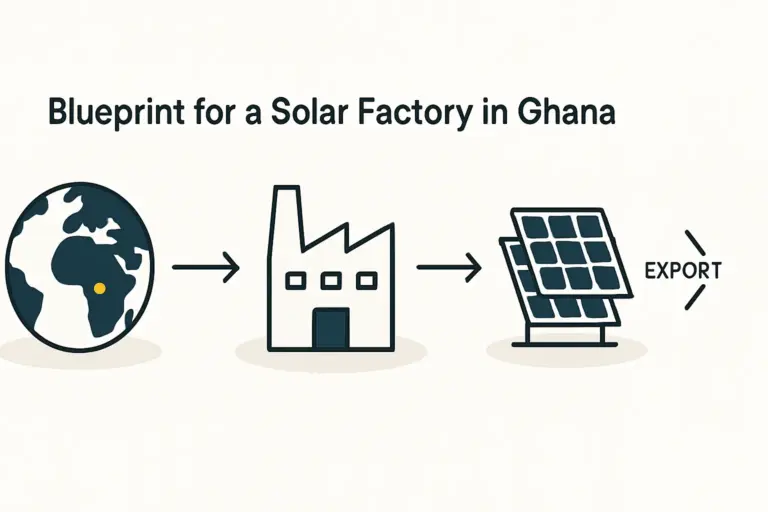
For investors and business leaders in Ghana, establishing a solar module factory is a significant undertaking. While much focus is rightly placed on technology and finance, the strategic management of raw materials is the true engine of the operation. This guide outlines a logistical framework for sourcing, importing, and managing key materials through the Port of Tema, ensuring your production line runs without interruption.
The Global Journey of Your Solar Components
The assembly of a solar module is a precise process, dependent on a consistent supply of high-quality components. While a module may be ‘Made in Ghana,’ its core materials are part of a global supply chain.
The primary raw materials include:
-
Solar Cells: The most critical and technologically sensitive component, converting sunlight into electricity. The vast majority of high-efficiency cells are currently manufactured in Asia.
-
Solar Glass: Specially tempered, low-iron glass designed for high transparency and durability.
-
EVA (Ethylene Vinyl Acetate) Film: An encapsulant used to laminate the cells and protect them from moisture and impact.
-
Backsheet: A durable polymer-based layer that provides mechanical protection and electrical insulation on the rear side of the module.
-
Aluminum Frames: Provide structural rigidity and a means for mounting the finished panel.
Supplier qualification is a foundational step. It involves more than just negotiating prices; it requires verifying technical specifications, production quality, and the supplier’s reliability. A failure in the supply of any of these materials can compromise the performance and bankability of the final product.
The Port of Tema: Your Gateway to Production

As the largest port in Ghana, handling over 70% of the country’s seaborne traffic, the Port of Tema is the primary logistical hub for any import-dependent manufacturing operation. Its modern facilities, particularly the Meridian Port Services (MPS) Terminal 3, are among the most efficient in Africa and capable of handling the world’s largest container vessels. This makes it the natural entry point for your raw materials.
The typical import process involves several key stages:
-
Shipping & Documentation: Your supplier ships the goods and provides a Bill of Lading (B/L), which is the title to the goods.
-
Customs Declaration: Upon the vessel’s arrival, a licensed customs broker files a declaration on your behalf.
-
Inspection and Valuation: The Ghana Revenue Authority (GRA) may inspect the shipment to verify its contents and value against the declared information.
-
Duty & Tax Payment: Applicable tariffs and taxes are paid.
-
Release and Transport: Once cleared, the containers are released for transport to your factory’s warehouse.
A thorough understanding of this process is essential for avoiding costly delays.
Navigating Ghanaian Customs and Duties
The customs clearance process is arguably the most critical variable in your supply chain timeline. Engaging an experienced and reputable local customs clearing agent is not an optional expense—it is a fundamental requirement for smooth operations.
Investigating the potential for duty exemptions with your local advisors is a critical step. The Ghanaian government, through agencies like the Ghana Investment Promotion Centre (GIPC), often provides incentives for strategic industries. This can include exemptions on imported plant, machinery, equipment, and raw materials intended for manufacturing. Securing such exemptions can significantly improve the project’s financial viability, but it requires meticulous application and documentation long before any shipments arrive.
Based on experience from an established European industrial solutions provider’s turnkey projects, early engagement with local legal and customs experts is vital.
From Port to Production: Warehousing and Inventory Strategy
Once your materials have cleared customs, the next logistical step is managing them effectively. While ‘Just-in-Time’ inventory is a popular concept in established manufacturing hubs, a ‘Just-in-Case’ strategy is often more prudent for a new venture in an emerging market. This means maintaining a buffer stock to protect your operations from unforeseen shipping or customs delays.
Key considerations for your warehousing strategy:
-
Sufficient Buffer Stock: It is common practice to hold at least three to six months’ worth of critical raw materials, especially solar cells and EVA. This protects the factory from global supply shocks or local clearance delays.
-
Warehouse Design: The warehouse is not merely a storage space; it is an integral part of your production workflow. The design must accommodate the safe storage of fragile materials like glass and cells. Its proximity to the production line should also be optimized within the overall factory layout.
-
Capital Allocation: Holding significant inventory ties up working capital. This cost must be factored into the project’s initial investment and operational budget. A container of solar cells can represent a substantial financial commitment.
Building Resilience: Mitigating Supply Chain Risks
A resilient supply chain is one that can withstand disruption. Beyond holding buffer stock, several strategies can fortify your operations:
-
Supplier Diversification: While it may be simpler to work with one supplier, cultivating relationships with at least two qualified sources for critical items like cells can provide a crucial alternative if one source faces issues.
-
Logistical Partnerships: A strong relationship with your freight forwarder and customs broker provides visibility into your shipments and helps resolve issues proactively.
-
Process Integration: Ultimately, material requirements are dictated by the capacity and technology of your turnkey manufacturing line. A halt in material flow brings this expensive machinery to a standstill, directly impacting your return on investment.
Key Considerations for a Leading-edge EU Photovoltaic Infrastructure Planning-Designed Facility
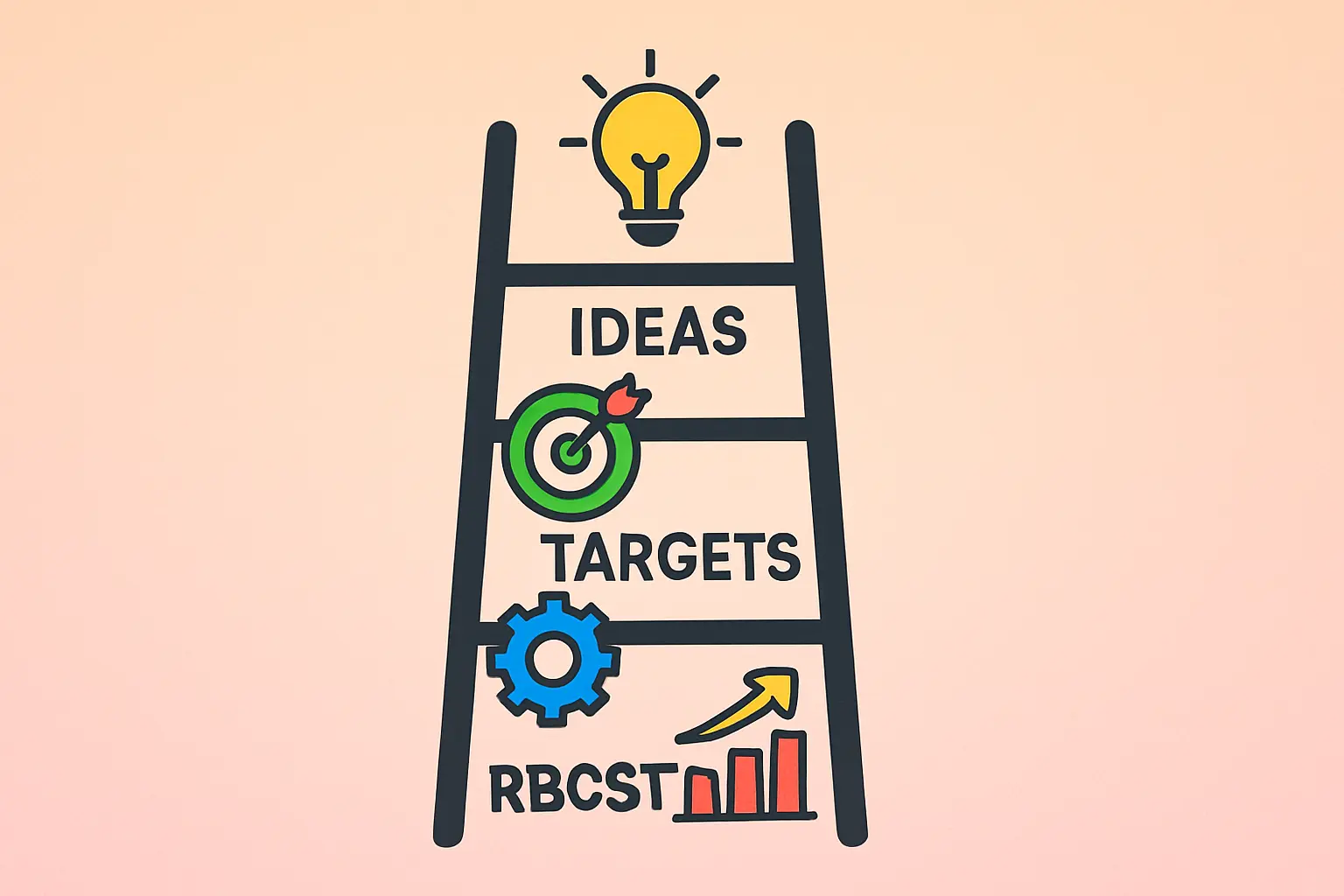
When planning a factory, the Bill of Materials (BOM) is a core document that details every single component required for production. For a facility designed by a technical partner like an experienced European turnkey engineering team, this BOM is precisely calibrated to the specified machinery and output targets.
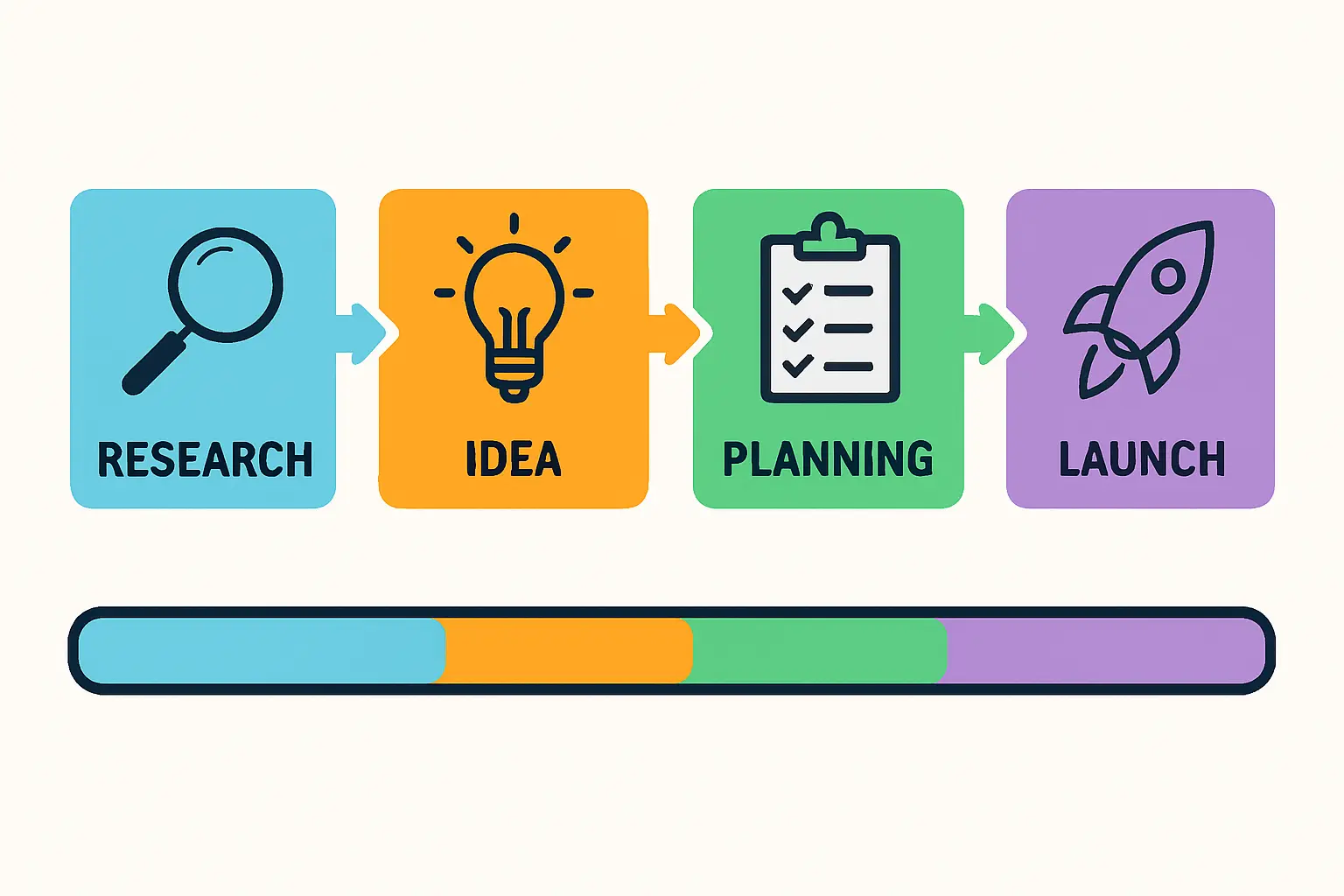
The planning for such a project extends beyond the machines themselves. It includes defining the initial stock levels required to commence the full solar panel manufacturing process and sustain it through the critical first few quarters of operation. This integrated approach ensures that logistical planning happens in parallel with technical planning, not as an afterthought.
Frequently Asked Questions (FAQ)
How long does it typically take to ship materials from Asia to Ghana?
Sea freight from major ports in Asia to Tema generally takes four to six weeks. It is advisable to add another week or two for potential transit delays and customs clearance.
What is the biggest logistical challenge for a new solar factory in Ghana?
Beyond global shipping volatility, the most common challenges are unexpected customs delays and coordinating reliable inland transportation from the port to the factory. A proactive local logistics partner is the best way to mitigate these risks.
Can I source raw materials locally in Ghana or from within the ECOWAS region?
Currently, highly specialized components like high-grade solar cells, EVA, and backsheets are not manufactured at the required quality and scale within the region. However, as the local renewable energy industry grows, opportunities for sourcing components like aluminum frames or even solar glass may emerge.
How much capital is typically tied up in raw material inventory?
This is a significant component of your working capital. For a medium-sized factory, the value of three to six months of inventory can represent a substantial portion of the initial operational budget, often hundreds of thousands or even millions of US dollars.
Final Thoughts
Establishing a resilient supply chain is a strategic imperative, not just an operational task. It requires foresight, strong local partnerships, and a clear understanding of the global landscape. By mastering the flow of materials from international suppliers to your factory floor in Ghana, you build a durable foundation for a successful and profitable solar module manufacturing business.
Download the Ghana Solar Supply Chain Case Study (PDF)
Author: This case study was prepared by the
turnkey solar module production specialists at J.V.G. Technology GmbH
It is based on real data and consulting experience from J.v.G. projects
worldwide, including installations ranging from 20 MW to 500 MW capacity.