Disclaimer: This case study represents a composite example derived from real-world
consulting work by J.v.G. Technology GmbH in solar module production and factory optimization. All data points are realistic but simplified for clarity and educational purposes.
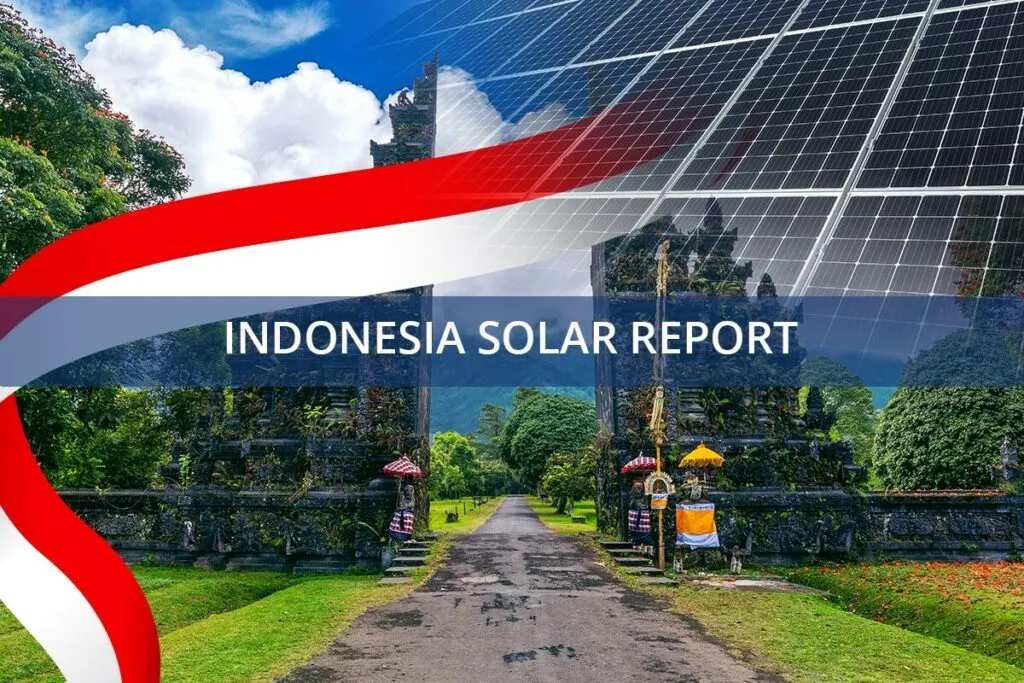
While many new investors in solar manufacturing focus on their domestic markets, they often overlook a significant opportunity: using one nation as a strategic base to supply an entire region.
Southeast Asia, with its rapid economic growth and escalating energy needs, is a compelling example of this model. The region’s energy demand is projected to increase by 60% by 2040, creating a vast, sustained market for renewable energy.
For the savvy investor, Indonesia offers a unique combination of geographic centrality, a large domestic market, and favorable trade conditions, positioning it as an ideal hub for a solar module factory focused on exporting to the Association of Southeast Asian Nations (ASEAN). This article explores the business logic behind this strategy and how a focus on manufacturing quality can create a decisive competitive advantage.
Why Indonesia? A Strategic Gateway to Southeast Asia
Choosing a location for a manufacturing facility is one of the most critical decisions an investor will make, as it affects logistics, market access, and operational costs. Indonesia offers several key advantages that make it a powerful contender for an ASEAN-focused solar enterprise.
Its geography is a distinct asset. As the world’s largest archipelago, situated between the Indian and Pacific oceans, Indonesia provides direct maritime access to all major ASEAN markets, including Malaysia, Singapore, Thailand, Vietnam, and the Philippines. This central location can significantly reduce shipping times and logistics costs compared to sourcing modules from more distant manufacturing centers.
Indonesia is also a cornerstone of the ASEAN Free Trade Area (AFTA), an agreement designed to reduce or eliminate tariffs on goods traded between member states. By manufacturing within an ASEAN country, an investor can supply modules to neighboring markets with significant cost advantages over non-ASEAN competitors, making the final product more attractive to regional buyers.
Finally, Indonesia’s own domestic market is substantial. With a population of over 270 million and government targets to increase the share of renewable energy, a local factory has a built-in demand base. This provides a stable foundation for operations while the business pursues an export-oriented growth strategy.

The ASEAN Market Opportunity: A Numbers-Driven Perspective
The demand for solar energy across ASEAN isn’t speculative; it’s a clear trend driven by economic development, energy security concerns, and climate commitments. Countries throughout the region have established ambitious solar capacity targets:
-
Vietnam: Aims for solar to account for a significant portion of its power mix, driving large-scale utility projects.
-
Malaysia: Encourages rooftop solar installations for commercial and industrial consumers through various incentives.
-
The Philippines: As an archipelago with many remote islands, it is increasingly turning to solar microgrids for energy independence.
-
Thailand: Has a mature renewable energy market with ongoing demand for high-quality modules for both ground-mounted and floating solar projects.
This collective drive for renewables creates a diverse and resilient regional market. An Indonesian-based factory isn’t reliant on the economic health of a single country; it can serve multiple growing markets simultaneously—a key principle of sound investment.
Building a Competitive Advantage Beyond Price
The Southeast Asian solar market is competitive, with established players from around the world. A common mistake for new entrants is to compete solely on price, an often unsustainable strategy that leads to thinning margins and compromises on quality.
A more robust and profitable approach is to compete on quality, reliability, and bankability. Commercial, industrial, and utility-scale solar projects are long-term investments. Developers and financiers prioritize modules that will perform reliably for 25 years or more. They are often willing to pay a premium for modules offering higher efficiency, lower degradation, and proven durability against regional climate challenges like high heat and humidity.
Establishing a solar module manufacturing plant in Indonesia that produces high-quality, certified modules offers a powerful value proposition. It allows a business to target the premium segment of the market, where brand reputation and technical performance outweigh the lowest initial cost.
The Role of German Engineering in a Southeast Asian Context
Achieving consistent, high-quality production requires more than good intentions—it demands precision engineering and process control. This is where the standard of the production line itself becomes a competitive tool.
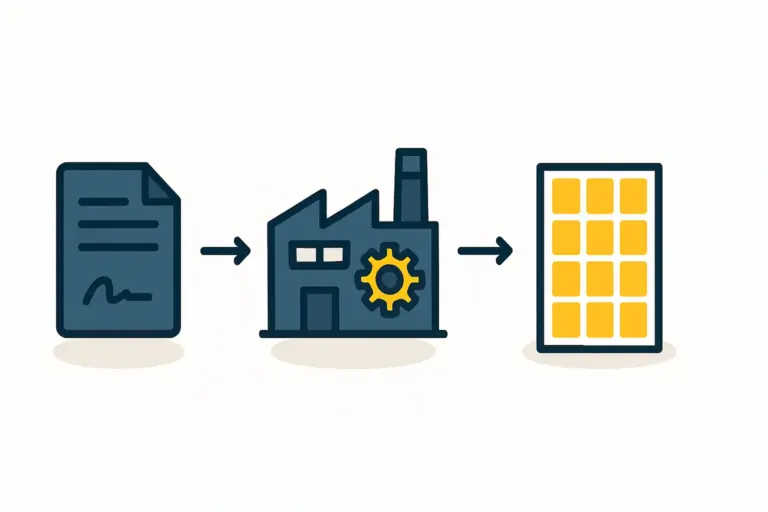
Based on experience gained from European PV manufacturers’ turnkey projects, a German-engineered production line provides the foundation for manufacturing excellence. Its emphasis on automation, stringent quality control checkpoints, and optimized material handling ensures that every module meets international standards. This directly impacts the bottom line by reducing material waste, maximizing throughput, and ensuring consistent quality through automated inspection.
For investors, the investment requirements for such a line are offset by a faster path to producing bankable, high-margin products. This approach transforms the factory from a simple assembly plant into a center of technical excellence capable of competing with the best in the world.
Frequently Asked Questions for Investors
For those new to solar manufacturing, a few practical questions often arise when considering a project of this scale.
What is a typical scale for an export-focused factory?
A good starting point for an export-oriented facility is an annual production capacity between 50 MW and 100 MW. This scale is large enough to achieve economies of scale and serve multiple regional clients, yet it is manageable from an initial investment standpoint. Such a facility would typically employ 50 to 80 staff, including technicians, operators, and administrative personnel.
How do trade agreements like AFTA actually impact business?
The ASEAN Trade in Goods Agreement (ATIGA), which builds on AFTA, means that if your modules meet ‘Rules of Origin’ criteria (i.e., are substantially produced in Indonesia), they can be exported to other ASEAN member countries with zero or very low import tariffs. For a buyer in Thailand or Vietnam, this can make your product 5-10% cheaper than a competing module from outside the ASEAN bloc, even if the factory gate price is the same.
Is it difficult to find and train a skilled workforce?
While specialized solar manufacturing experience may not be widespread, Indonesia has a strong industrial base and a large, trainable workforce. The key is a structured training program, often conducted by the equipment supplier. A modern, highly automated turnkey production line is also designed to be operated by technicians who can be trained on-site, reducing reliance on a pre-existing pool of experts.

Conclusion: The Blueprint for a Successful ASEAN Solar Venture
The case for an Indonesian solar module export hub is built on strong market demand, a strategic location, and favorable trade policy. For professionals and entrepreneurs looking to enter a high-growth industry, this represents a calculated opportunity to build a lasting and profitable enterprise.
However, location alone does not guarantee success. The winning strategy lies in leveraging Indonesia’s advantages while committing to a standard of manufacturing that sets the business apart. By focusing on producing high-quality, reliable, and bankable solar modules with proven German-engineered production technology, an investor can build a respected brand that serves the long-term needs of the entire ASEAN region. The path begins with thorough planning and a clear vision for creating value that goes beyond price.
Download: Indonesia Strategic Solar Export Case Study (PDF)
Author: This case study was prepared by the
turnkey solar module production specialists at J.V.G. Technology GmbH
It is based on real data and consulting experience from J.v.G. projects
worldwide, including installations ranging from 20 MW to 500 MW capacity.