Disclaimer: This case study represents a composite example derived from real-world
consulting work by J.v.G. Technology GmbH in solar module production and factory optimization. All data points are realistic but simplified for clarity and educational purposes.
The most compelling business opportunities often arise from solving costly, persistent problems. In many parts of the world, remote industrial operations face just such a challenge: a deep dependency on diesel-generated power. This reliance creates a significant and volatile line item in any operational budget, directly impacting profitability.
This analysis presents a targeted strategy for entering the market with a new solar module factory, using Kalimantan, Indonesia, as a case study. The strategy focuses on displacing expensive diesel fuel in the region’s vital mining and palm oil plantation sectors. By manufacturing a specialized, highly durable solar module, an investor can offer a clear value proposition with a calculable return, turning a major operational expense into a predictable, long-term asset.
The High Cost of Remote Power: A Persistent Business Challenge
In regions like Kalimantan, many of the most productive economic sites—mines, plantations, and processing facilities—operate far from the national electricity grid. This effectively makes them ‘energy islands,’ almost entirely dependent on diesel generators for their power.
While functional, this approach has substantial drawbacks:
-
High Fuel Costs: Diesel is a major operational expenditure (OPEX). Its price is subject to global market volatility and the high local costs of transporting it to remote sites.
-
Logistical Complexity: Ensuring a constant fuel supply to isolated locations requires a robust and expensive supply chain, one that is vulnerable to disruption.
-
Maintenance Overhead: Diesel generators require constant maintenance, specialized technicians, and a ready supply of spare parts, all of which add to the overall cost of energy.
-
Environmental and Regulatory Pressure: Industries also face growing pressure to reduce their carbon footprint and local pollutant emissions, making diesel a less sustainable long-term solution.
Together, these factors create a high and unpredictable Levelized Cost of Energy (LCOE), a metric for the total cost of generating electricity over an asset’s lifetime. For business owners, this uncertainty complicates financial planning and erodes profit margins.

A Focused Solution: The Hybrid Solar-Diesel System
A pragmatic solution to this challenge lies in hybrid solar-diesel systems. This approach doesn’t require abandoning existing infrastructure; instead, it integrates solar power to drastically reduce diesel consumption.
The concept is straightforward:
-
Solar Power During the Day: A solar panel array generates electricity throughout the day, powering operations when the sun is shining—typically when energy demand is highest.
-
Diesel for Backup and Night-time: The existing diesel generators remain in place to provide power during the night, on overcast days, or to meet peak load demands that exceed the solar system’s capacity.
This integration immediately reduces the primary cost driver: diesel fuel. By running generators for fewer hours, businesses can achieve an immediate drop in fuel and maintenance expenses.
A side-by-side comparison of a traditional diesel generator setup versus a hybrid solar-diesel system with DESERT+ modules effectively illustrates the potential reduction in fuel consumption and emissions.
Designing the Right Product for the Market: The DESERT+ Module
Not all solar modules can withstand the demanding conditions of a tropical industrial site. Standard panels designed for residential or utility-scale use can degrade quickly in the high heat, constant humidity, and dusty environments common in mining and agriculture.
A successful market entry depends on a product engineered specifically for the target environment. The ‘DESERT+’ module concept embodies this specialized approach. Drawing on decades of experience from a European solar PV equipment provider in deploying solar technology in harsh climates, these modules incorporate specific design features:
-
Enhanced Durability: Reinforced frames and robust materials to withstand mechanical stress and challenging weather conditions.
-
High-Temperature Performance: Cell technologies that perform efficiently even in extreme heat, minimizing power loss.
-
Moisture and Dust Resistance: Advanced encapsulation and durable backsheets to protect the sensitive solar cells from humidity, dust, and corrosion.
By manufacturing a product purpose-built for the customer’s operating environment, a new factory can establish a powerful competitive advantage based on reliability and long-term performance. A close-up view of a DESERT+ solar module would highlight its robust construction features, such as a reinforced frame and specialized backsheet, which are essential for harsh environments.

The Business Case: Calculating the Return on Investment (ROI)
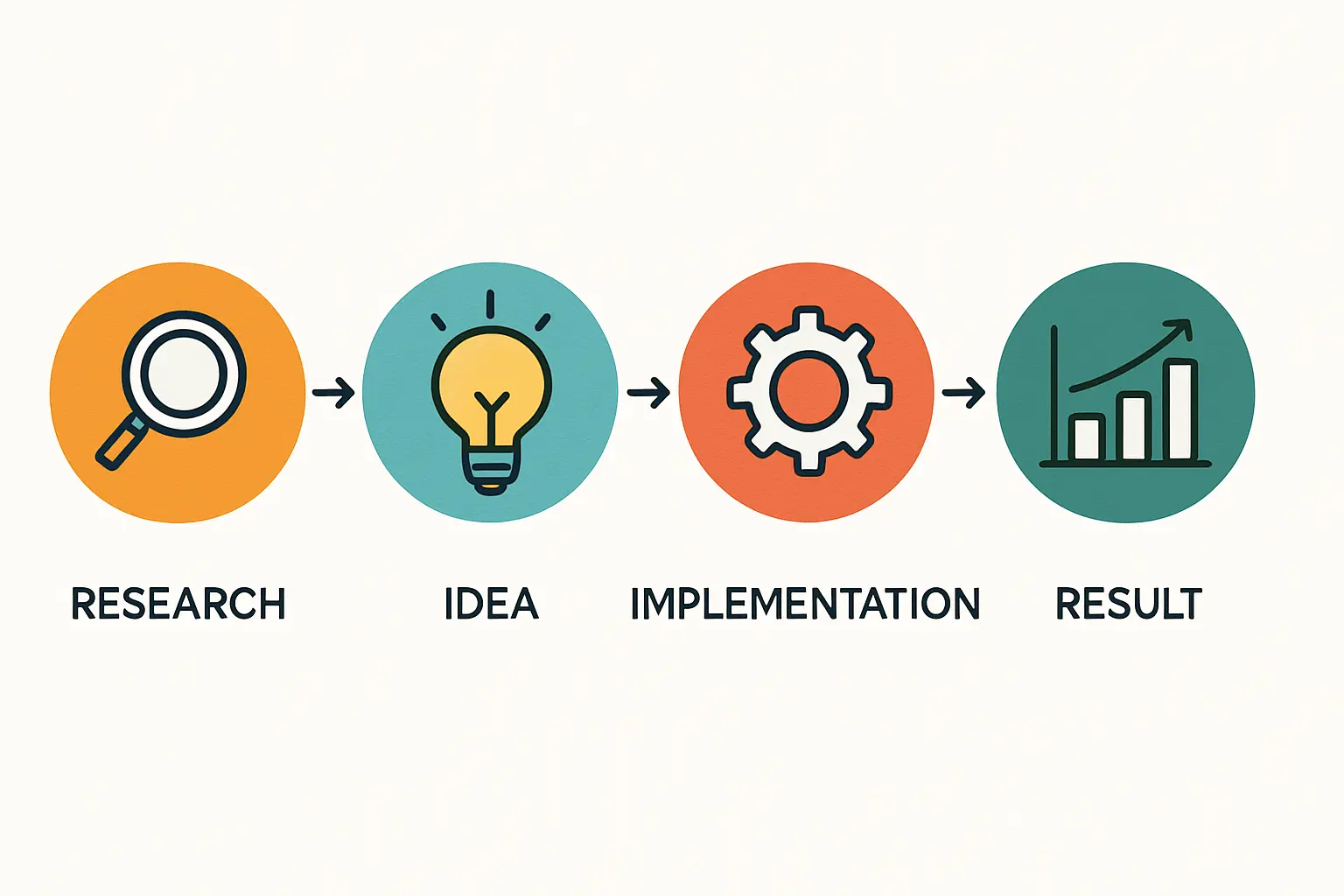
For any business operator, the decision to invest comes down to a clear financial return. The case for hybrid solar systems is built on a simple calculation: comparing the savings from displaced diesel fuel against the capital expenditure (CAPEX) for the solar installation.
The LCOE comparison is stark. Diesel power has a high LCOE driven by ongoing fuel and maintenance costs. Solar power has a higher initial CAPEX but a very low LCOE, since its ‘fuel’—sunlight—is free.
A simplified ROI calculation looks like this:
-
Establish Baseline: Determine the average daily diesel consumption and its associated cost.
-
Project Savings: Model the reduction in generator run-time and fuel use achieved by the solar installation (e.g., a 50–70% reduction).
-
Calculate Payback Period: Divide the total cost of the solar system by the annual savings in diesel costs. Payback periods for such projects are often remarkably short, making them financially attractive.
This straightforward financial logic is the core of the sales proposition for mine operators and plantation owners. The proposition is not an abstract environmental argument but a clear path to improved profitability.
From Concept to Reality: Establishing the Manufacturing Facility
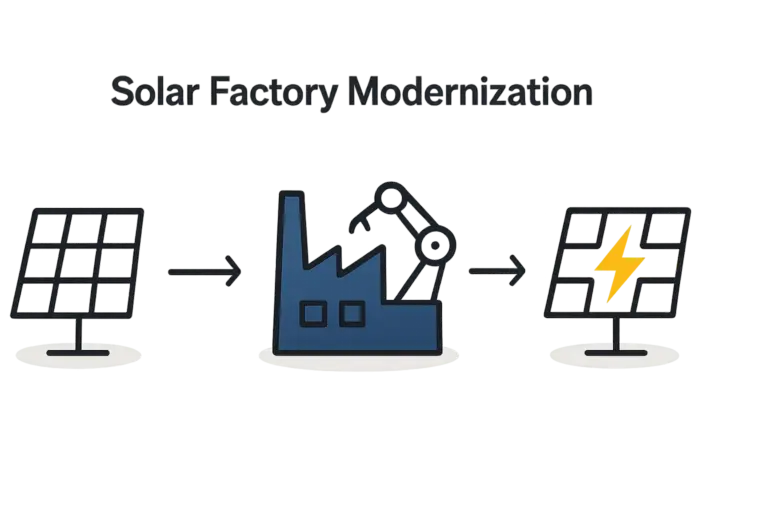
Developing this targeted product and market strategy is the first step. The next is establishing the local manufacturing capability to execute it. A local factory provides several strategic advantages, including greater control over product quality, reduced transportation costs for finished modules, and the agility to adapt to specific customer requirements.
The full solar module manufacturing process can be tailored to produce these high-durability DESERT+ modules efficiently. For new entrants to the industry, acquiring a turnkey production line is often the most direct path to operation. This approach, guided by experienced engineering partners like a European PV manufacturing line integrator, ensures the facility is designed correctly from the outset.
While the investment required for a solar factory is significant, a strategy focused on a high-need, high-value market provides a clear and defensible business plan for securing financing and ensuring long-term profitability.
Frequently Asked Questions (FAQ)
What is a hybrid solar-diesel system?
A hybrid solar-diesel system is an electricity generation setup that combines solar panels with diesel generators. The solar panels provide power during the day, reducing the need to run the generators, which serve as a reliable backup for night-time power and peak loads.
Why are specialized modules needed for industrial sites?
Industrial sites, particularly in tropical regions like Kalimantan, expose equipment to high heat, constant humidity, dust, and potential mechanical stress. Specialized modules like the DESERT+ concept are engineered with more robust materials and designs to withstand these conditions, ensuring a longer operational life and reliable performance.
How is the ROI for a solar investment calculated against diesel?
Return on Investment is calculated by comparing the total upfront cost of the solar system to the annual financial savings it generates. These savings come primarily from reduced diesel fuel consumption and lower generator maintenance costs. The payback period is the time it takes for these accumulated savings to equal the initial investment.
What is the typical timeframe to set up a small-scale solar factory?
With a structured approach and experienced guidance, a small to medium-sized solar module production line (e.g., 20–50 MW annual capacity) can be planned, built, and commissioned in under a year.
Can these durable modules be used for other applications?
Yes. While designed for demanding industrial clients, their enhanced durability makes them an excellent premium product for other off-grid or critical infrastructure applications, such as telecommunication towers, remote clinics, or community microgrids, especially in regions with harsh climates.
Conclusion and Next Steps
The transition away from fossil fuels presents immense business opportunities, particularly in markets where the economic case is clear and immediate. A solar module factory targeting diesel displacement in off-grid industrial sectors is a focused, high-value market entry strategy.
By identifying a tangible customer pain point, engineering a purpose-built product, and building a business model around a clear ROI, entrepreneurs can enter the solar industry with a strong foundation for success. This approach demonstrates that building a successful enterprise in this space doesn’t require deep photovoltaic expertise; rather, it demands a sound business strategy and partnership with experienced technical guides.
Download the Indonesia Off-Grid Solar Case Study (PDF)
Author: This case study was prepared by the
turnkey solar module production specialists at J.V.G. Technology GmbH
It is based on real data and consulting experience from J.v.G. projects
worldwide, including installations ranging from 20 MW to 500 MW capacity.